
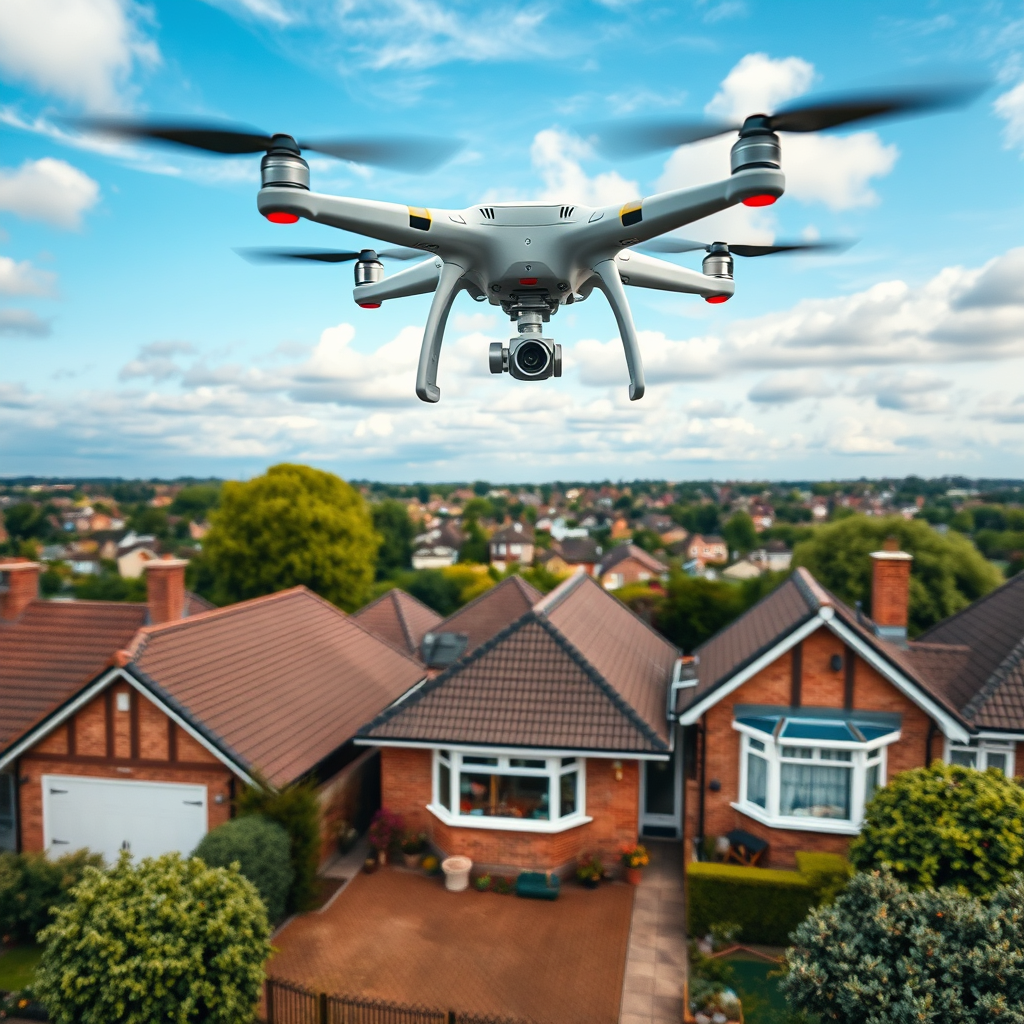
Yes, drones can fly over private property in the UK, but there are specific regulations and considerations that must be adhered to. Understanding the legal framework and respecting privacy rights is crucial for drone operators to avoid potential conflicts. The use of drones has surged in popularity for both recreational and commercial purposes, but with this increasing use comes a responsibility to operate within the confines of the law and respect the rights of others. This article will delve into the intricacies of UK drone legislation, the rights of property owners, relevant restrictions, and best practices for drone operators.
Understanding UK Drone Legislation
The Civil Aviation Authority (CAA) is the primary regulatory body governing drone operations in the UK. Established to promote safe and responsible flying, the CAA has laid out comprehensive guidelines that all drone operators must follow. Central to these regulations is the Drone Code, which provides essential safety and privacy guidelines for users.
The Drone Code emphasizes the need for operators to maintain a direct line of sight with their drones at all times, fly below 400 feet, and avoid flying near populated areas unless specifically permitted. Additionally, operators must be aware of and comply with the Air Navigation Order, which lays down regulations on the use of unmanned aircraft. For instance, drones equipped with cameras must also adhere to data protection laws, particularly the General Data Protection Regulation (GDPR), which governs how personal data is collected and processed.
Failing to comply with these regulations can lead to severe penalties, including fines and the revocation of flying privileges. Understanding the legal landscape is therefore paramount for anyone interested in drone operation within the UK.
Rights of Property Owners
Property owners in the UK possess specific rights that protect them from unauthorized drone surveillance and intrusion. Under common law, landowners generally have rights that extend to the airspace above their property, though this is not an absolute right. The concept of “trespass” comes into play when a drone flies directly over someone’s land at a low altitude, potentially leading to legal claims of privacy invasion.
In recent years, there have been notable cases where property owners have successfully claimed damages against drone operators for invading their privacy. For instance, if a drone is used to capture images or videos of a private garden or property without consent, the owner has grounds to take legal action. Thus, being aware of these rights and the potential for legal repercussions is essential for drone operators who wish to navigate the skies ethically and lawfully.
Drone Flight Restrictions
In addition to the rights of property owners, there are specific restrictions on where and how drones can be flown. The CAA mandates that drones cannot operate closer than 50 meters to people, vehicles, or buildings not controlled by the operator. This distance is designed to minimize the risk of accidents and ensure the safety of individuals and property on the ground.
Moreover, there are designated no-fly zones that operators must be aware of, which include areas around airports, military bases, and certain urban locations where drone operations may pose significant safety risks. For example, flying a drone within the vicinity of an airport could interfere with manned aircraft, leading to potentially catastrophic consequences. To assist operators in navigating these restrictions, there are various apps and online tools available that provide real-time information on no-fly zones and local regulations.
Consent and Privacy Considerations
Obtaining consent from property owners before flying over their land is not only a best practice but also a prudent way to avoid conflicts and legal issues. While it may not be a legal requirement in all cases, seeking permission fosters goodwill and demonstrates respect for the rights of others. This is especially important in residential areas, where privacy is a significant concern.
Furthermore, drone operators must be vigilant in respecting privacy and data protection laws. Under GDPR, capturing images or videos of individuals without their consent can lead to serious consequences, including fines and legal action. Operators should be cautious when recording in populated areas and ensure that their activities do not infringe on the privacy rights of those in the vicinity. By prioritizing consent and privacy, drone operators can engage in responsible flying while building trust within their communities.
Consequences of Non-Compliance
The consequences of failing to comply with drone laws can be severe. Violations of the CAA regulations can lead to substantial fines. For instance, operating a drone in a no-fly zone or without the necessary permissions can result in penalties that can reach thousands of pounds. Additionally, non-compliance may lead to legal action from property owners whose rights have been infringed upon, further complicating matters for the operator.
Moreover, public backlash is a real threat for drone operators who disregard regulations and privacy rights. Incidents of reckless flying can lead to negative media coverage and damage to one’s reputation, particularly in tight-knit communities where relationships matter. As such, adhering to the law not only protects operators from legal ramifications but also enhances their standing within the community.
Best Practices for Drone Operators
To ensure responsible drone operation, it is imperative for drone operators to follow best practices. First and foremost, always check local regulations and obtain any necessary permissions before flying. This includes understanding specific restrictions that may vary by region or locality, as well as any additional guidelines set forth by the CAA.
Operators should also conduct thorough pre-flight checks to ensure their drone is in good working condition and that all safety protocols are followed. Using drones responsibly means being mindful of the privacy of others, avoiding flights over private property without consent, and refraining from capturing images or videos that could infringe on individuals’ rights.
Finally, engaging with the local community can be beneficial. By communicating openly with neighbors and stakeholders about intended drone activities, operators can foster a positive environment and mitigate misunderstandings. Building relationships and trust will ultimately lead to a more harmonious coexistence between drone enthusiasts and property owners.
In conclusion, while drones can legally fly over private property in the UK, operators must remain aware of and comply with existing laws and respect the rights of property owners. The landscape of drone legislation is complex, and understanding the implications of privacy rights, flight restrictions, and best practices is crucial for responsible operation. By prioritizing safety, consent, and ethical behavior, drone operators can navigate the skies with confidence and contribute positively to the evolving world of aerial technology.
Frequently Asked Questions
Can drones fly over private property in the UK without permission?
In the UK, drones can legally fly over private property without explicit permission from the landowner, as long as they adhere to the Civil Aviation Authority (CAA) regulations. However, it’s important to maintain a safe distance and respect people’s privacy. If a drone operator is flying within the drone’s maximum altitude limit and not invading privacy, they are generally within their rights.
What are the legal restrictions for flying drones over private land in the UK?
The legal restrictions for flying drones over private land in the UK include maintaining a minimum distance from people and properties, as outlined by the CAA. Drone operators must fly at least 50 meters away from non-participating individuals and keep their drone within their line of sight. Additionally, flying over congested areas or large gatherings without special permission is prohibited.
How can I report a drone flying over my property in the UK?
If you feel a drone is flying over your property in the UK and violating privacy or safety regulations, you can report it to the local police or the CAA. Documenting details like the time, date, and any potential evidence (such as photos or videos) can be helpful. It’s also advisable to check if the drone operator has a valid registration, as all commercial operators must be registered with the CAA.
Why are drones allowed to fly over private property in the UK?
Drones are allowed to fly over private property in the UK primarily due to airspace regulations that prioritize freedom of movement in the air. The CAA guidelines balance the interests of drone operators with the need to respect privacy and property rights. As long as operators comply with safety and distance regulations, they can legally operate drones over private land without needing prior consent.
What should I do if a drone is invading my privacy over my property?
If a drone is invading your privacy over your property in the UK, you have several options. First, try to identify the operator, which can sometimes be done using the drone’s registration number. You can then approach them directly to express your concerns. If this doesn’t resolve the issue, you can file a complaint with the police or report it to the CAA, especially if you believe the drone is violating privacy laws or regulations.
References
- https://www.caa.co.uk/Commercial-industry/Commercial-drone-operations/Drone-safety/Drone-safety-guidance/
- https://www.legislation.gov.uk/ukpga/2016/30/contents/enacted
- https://www.bbc.com/news/technology-49612081
- https://www.theguardian.com/technology/2020/jul/14/drones-safety-uk-regulations
- https://www.gov.uk/government/publications/drone-safety-in-the-uk
- https://www.wired.co.uk/article/drone-regulations-uk
- https://www.uavhub.com/drone-law-uk/
