
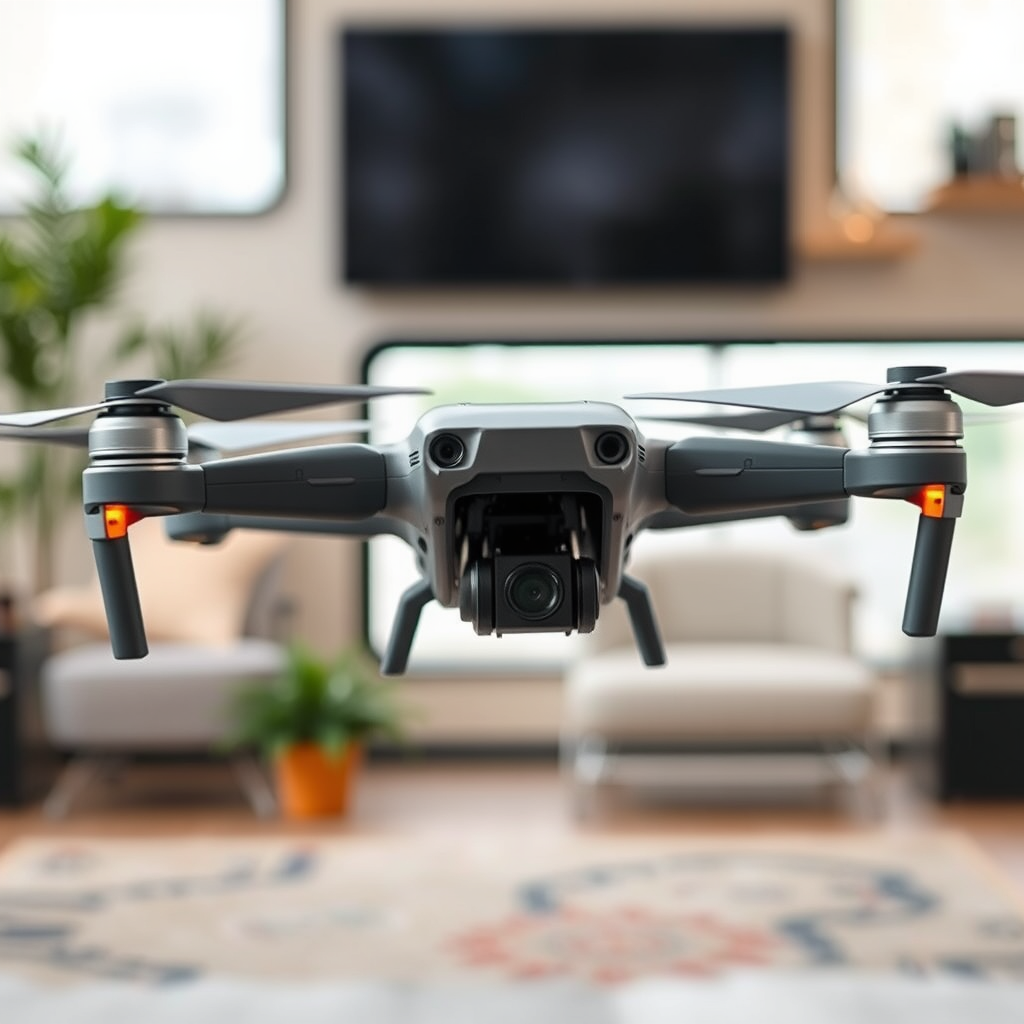
Yes, FPV drones can be used offline, but their functionality may be limited without a connection to GPS or other systems. Understanding how to operate them in offline mode can enhance your flying experience, especially in remote areas. This article explores the capabilities, limitations, and best practices for using FPV drones without an internet connection.
Understanding FPV Drones
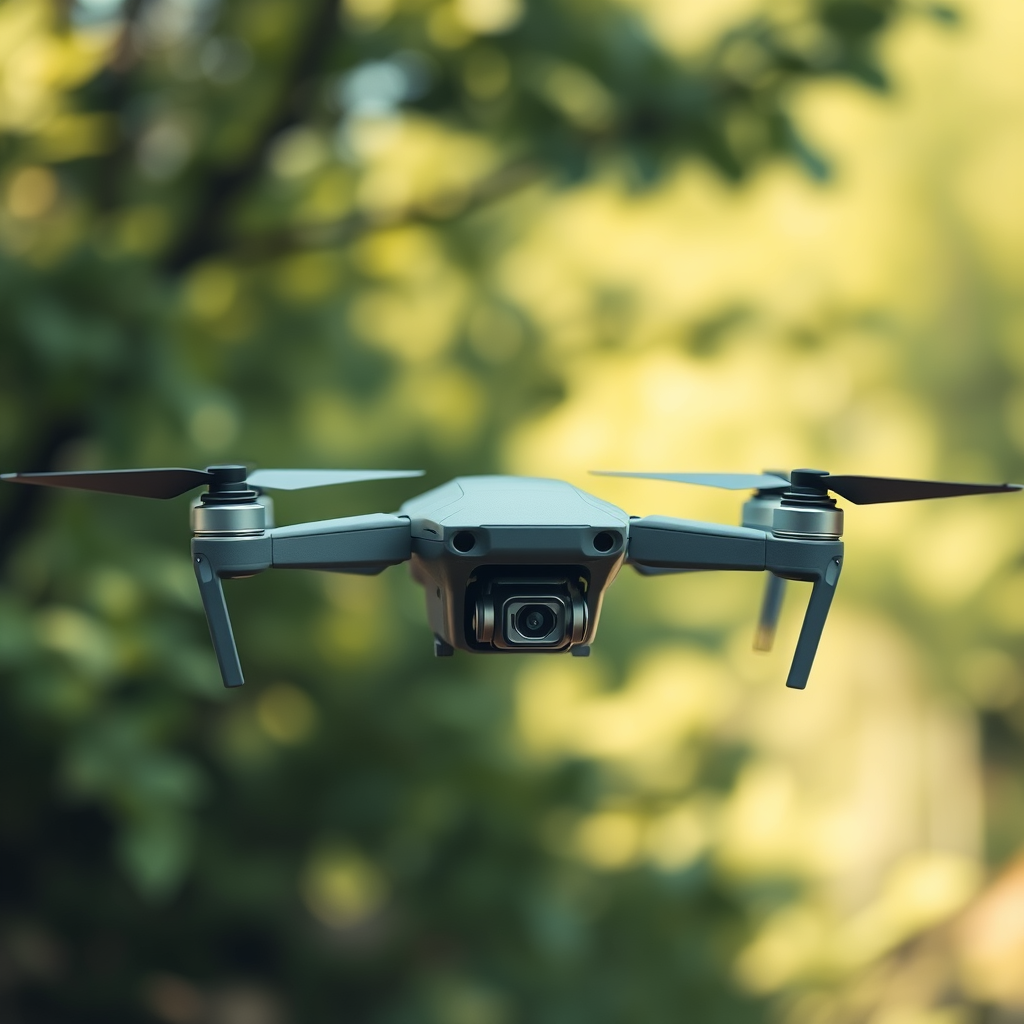
FPV stands for First Person View, and FPV drones are equipped with cameras that provide a real-time video feed to the pilot, allowing them to experience flight from the drone’s perspective. Common uses of FPV drones include aerial photography, racing, and recreational flying. These drones have gained popularity due to their immersive experience, enabling pilots to navigate through challenging environments and capture stunning visuals. The technology behind FPV allows for enhanced control and maneuverability, giving pilots the sensation of flying directly from the drone’s viewpoint, making it particularly appealing for enthusiasts and professionals alike.
Offline Flight Capabilities
FPV drones can operate without GPS or internet connectivity by relying on manual control systems. When flying offline, pilots must be adept at handling their drones without the conveniences provided by automated systems. Many FPV drones feature advanced flight controllers that allow for stable flight even in the absence of GPS signals. Manual flying requires an understanding of the drone’s controls, as pilots must rely on their skills to navigate and maintain altitude. While autonomous features such as return-to-home or waypoint navigation may be disabled, proficient pilots can still enjoy a rewarding flying experience by focusing on manual flying techniques and maintaining a strong visual line of sight.
Limitations of Offline Usage
Despite the capability to fly offline, several limitations present challenges for FPV drone pilots. One significant drawback is the loss of map data and navigation assistance. Without GPS, pilots cannot access pre-loaded aerial maps or use features that rely on geographic positioning, which can hinder navigation, especially in unfamiliar areas. Additionally, flying without real-time data increases risks, as pilots may not be aware of potential obstacles or changing environmental conditions. Areas with dense foliage or urban landscapes may pose particular challenges, as obstacles may not be visible until it’s too late to avoid them. Therefore, understanding these limitations is crucial for safe and enjoyable flying experiences.
Preparing for Offline Flight
Effective pre-flight planning is essential when preparing to fly an FPV drone offline. One of the most critical steps is to download maps and flight paths in advance, where possible. Many flight planning applications allow users to store maps locally, ensuring that pilots have access to necessary data even without an internet connection. Additionally, pilots should conduct thorough research on their intended flying locations, including potential obstacles and regulations. Familiarizing oneself with the drone’s controls and settings is equally important, as it ensures that pilots can react swiftly and effectively during flight. Performing a pre-flight checklist can also help mitigate risks and enhance overall safety.
Safety Considerations
Safety should always be a top priority for FPV drone pilots, especially when flying offline. Understanding the surroundings and being aware of local regulations is crucial to avoid legal issues and ensure responsible flying. Many regions have specific laws regarding drone usage, which may include restrictions on flying in certain areas or height limitations. Furthermore, maintaining visual line-of-sight is essential for safe operation. This practice not only helps pilots avoid obstacles but also ensures that they can react appropriately to unexpected situations. Encouraging the use of spotters—individuals who assist in monitoring the drone’s path—can further enhance safety during offline flights.
Enhancing Offline Experience
FPV drones can be utilized effectively for various offline applications, including racing, exploration, and photography. For racing enthusiasts, flying in remote locations away from the constraints of GPS can provide unique challenges and an adrenaline-fueled experience. Similarly, photographers can capture breathtaking images in nature or secluded areas without interruptions from connectivity issues. To enhance these experiences, pilots should consider investing in a range of accessories, such as high-capacity batteries for extended flight times and additional FPV gear for improved video quality. Tools like portable charging stations can also be beneficial for prolonged flying sessions in remote areas.
Conclusion
In summary, while FPV drones can be effectively used offline, pilots should be prepared and aware of the limitations and safety considerations associated with this mode of operation. Proper preparation, including downloading necessary maps and understanding local regulations, is essential for ensuring a successful flight experience. By honing manual flying skills and utilizing the right accessories, pilots can explore a variety of offline applications and maximize their enjoyment of FPV flying. Always prioritize safety and planning to make the most out of your offline drone adventures.
Frequently Asked Questions
Can FPV drones be used without an internet connection?
Yes, FPV (First Person View) drones can be used offline as they do not require an internet connection to operate. Most FPV drones rely on a radio signal for communication between the drone and the controller, allowing you to fly in remote areas without any internet access. However, it’s important to ensure that you have pre-downloaded any necessary maps or flight plans if you intend to navigate using GPS.
How do I set up my FPV drone for offline use?
To set up your FPV drone for offline use, start by calibrating the drone’s sensors and ensuring all firmware is updated before heading out. Make sure to pre-plan your flight paths using compatible software or apps that allow you to download maps and waypoints for offline access. Additionally, familiarize yourself with the drone controls and settings to ensure a smooth flight experience without real-time internet data.
Why might I want to use my FPV drone offline?
Using an FPV drone offline can be beneficial in various situations, such as flying in remote areas where internet connectivity is poor or nonexistent. It is also useful for privacy reasons, as offline flying minimizes the risk of data interception. Furthermore, many FPV enthusiasts prefer offline flying for racing or freestyle flying, where immediate responsiveness is crucial, and reliance on a stable internet connection can introduce latency issues.
What are the best FPV drones for offline flying?
The best FPV drones for offline flying typically have robust GPS capabilities, long-range control, and high-quality cameras. Popular models include the DJI FPV, which offers excellent stabilization and user-friendly features, and the EMAX Tinyhawk II, which is great for beginners and indoor flying. Look for drones with strong battery life and a reliable transmission system to ensure seamless operation even when offline.
Which FPV drone features help enhance offline flying experience?
Key features that enhance the offline flying experience of FPV drones include GPS stabilization for accurate navigation, return-to-home functions to ensure safety during loss of signal, and high-definition video transmission for clear real-time feedback. Additionally, drones with customizable flight modes allow pilots to adapt to different environments and flying styles, making them more versatile for offline use.
References
- https://en.wikipedia.org/wiki/First-person_view
- https://www.ncbi.nlm.nih.gov/pmc/articles/PMC7837563/
- https://www.faa.gov/uas/
- https://www.researchgate.net/publication/335371695_Applications_of_Drones_in_Smart_Cities
- https://www.techrepublic.com/article/how-to-use-a-drone-in-the-field-without-internet-access/
