
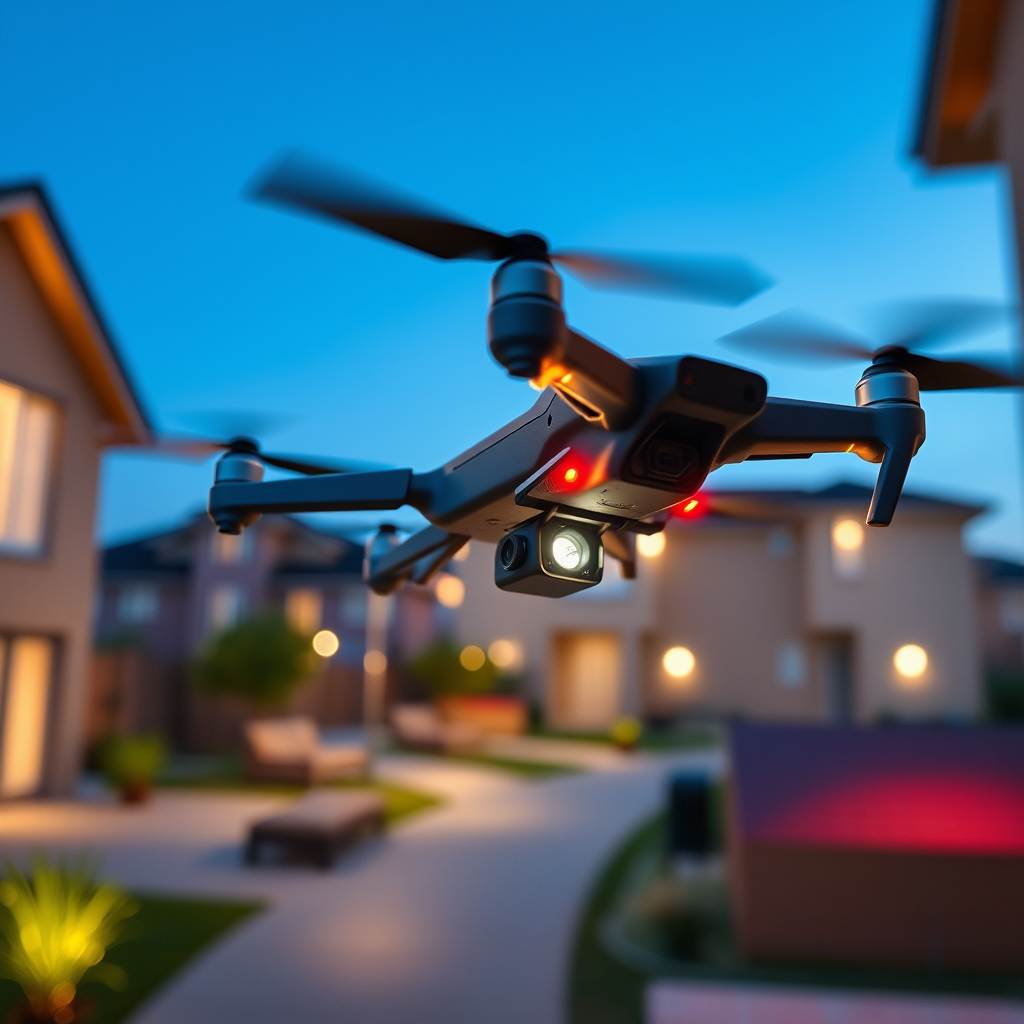
Yes, you can fly your drone in a residential area, but it’s crucial to navigate a landscape of regulations, safety concerns, and privacy issues. Understanding the legal framework and adhering to best practices will ensure that you operate your drone responsibly and respectfully within community boundaries.
Understanding Drone Regulations
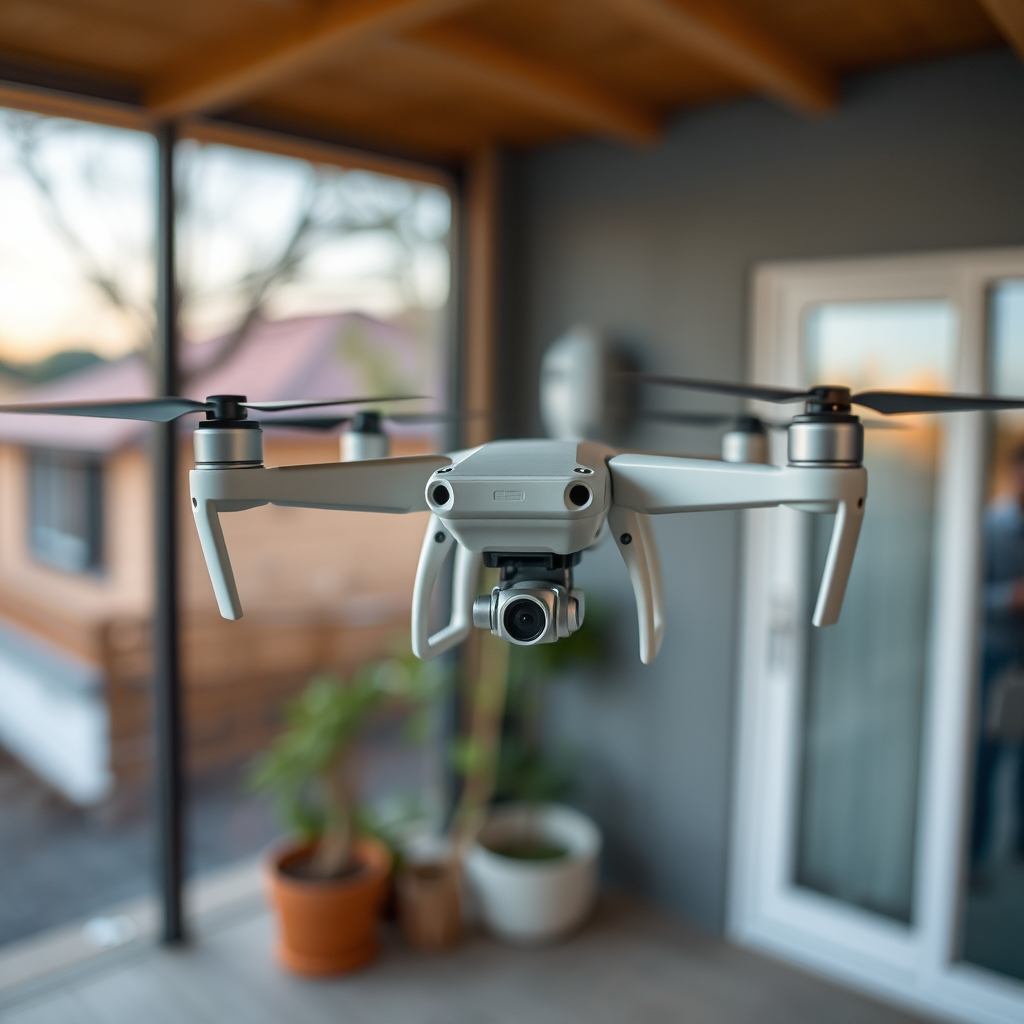
Familiarizing yourself with the Federal Aviation Administration (FAA) regulations is paramount for any drone operator. The FAA categorizes drones based on their weight and purpose, with specific rules applicable to recreational and commercial use. For instance, recreational drone pilots must follow the guidelines outlined in the FAA’s Part 107 regulations, which include flying below 400 feet, keeping the drone within visual line-of-sight, and avoiding restricted airspace.
In addition to federal regulations, it’s essential to check local laws and homeowner association (HOA) rules that may impose further restrictions on drone usage in residential areas. Some municipalities have enacted ordinances that prohibit drone flights in certain zones, while HOAs may have specific rules about flying drones over private property or communal spaces. For example, cities like Los Angeles have designated no-fly zones, particularly near schools or hospitals, which are critical to respect for community safety.
Safety Guidelines for Flying Drones
Safety should always be a top priority when flying drones in residential areas. Maintaining a safe distance from people and property minimizes the risk of accidents. The FAA recommends keeping the drone at least 25 feet away from individuals not involved in the operation. This distance helps prevent potential injuries and damages, especially if the drone experiences mechanical failure or operator error.
Additionally, always keep your drone within your line of sight. This practice is not only a regulatory requirement but also enhances your ability to manage the drone effectively. Many drone enthusiasts utilize visual observers—friends or family who assist by watching the drone while the pilot focuses on its operation. This collaborative approach ensures a higher level of safety and control, particularly in densely populated areas.
Privacy Concerns in Residential Areas
Privacy is a significant concern when operating drones in residential settings. Individuals have a reasonable expectation of privacy in their homes and yards, and flying a drone over private property without consent may lead to legal disputes or complaints. Familiarize yourself with local privacy laws that protect individuals from being filmed without their permission. In some jurisdictions, capturing images or videos of people on their property can be deemed an invasion of privacy.
To respect your neighbors’ privacy, consider establishing a flight plan that avoids flying directly over their homes. If you anticipate filming or capturing images, informing your neighbors in advance can foster goodwill and reduce potential conflicts. Being proactive in this manner not only shows respect for their privacy but can also help alleviate concerns about your drone activities.
Best Practices for Flying Drones
Adopting best practices for flying drones in residential areas is vital for maintaining a positive relationship with your community. One effective strategy is to choose appropriate times for flying. Early mornings or late evenings may be inconvenient for your neighbors, so aim to fly during mid-day hours when the noise from your drone is less likely to disturb anyone.
Using quieter drone models can also significantly reduce noise pollution. Many manufacturers now offer drones designed to operate more quietly, which can lessen the impact on the surrounding community. Researching and selecting drones known for their low-noise operation, such as those equipped with advanced propeller technology, can enhance your flying experience while being considerate of your neighbors.
Recommended Drone Models for Residential Use
When selecting a drone for residential use, consider models specifically designed for stability, quiet operation, and safety features. Drones like the DJI Mini 2 and the Autel Robotics EVO Lite are popular among hobbyists for their user-friendly interfaces, compact designs, and functionalities that cater to residential settings. These drones provide excellent camera quality while being lightweight and relatively quiet.
Furthermore, look for drones equipped with obstacle avoidance sensors. These features can significantly enhance safety when navigating through residential areas, helping to prevent collisions with trees, power lines, or even buildings. The combination of stability, quiet operation, and smart safety features will ensure a more enjoyable and secure flying experience in crowded environments.
Community Engagement and Communication
Effective communication with your neighbors can greatly enhance your drone flying experience and mitigate potential issues. Informing your neighbors about your drone activities fosters goodwill and understanding. Share your plans with them—such as when you intend to fly and the purpose of your flights—so they are aware and can voice any concerns they may have.
Being open to addressing any issues, such as noise or privacy worries, can demonstrate your commitment to responsible drone operation. Many communities have informal gatherings or neighborhood associations where you can discuss drone use and its benefits, such as aerial photography or community events. Engaging with your neighbors not only builds trust but can also create a supportive environment for drone enthusiasts in your area.
In conclusion, flying your drone in a residential area is feasible if you adhere to established regulations and prioritize community respect. By understanding drone laws, implementing safety measures, addressing privacy concerns, and engaging with neighbors, you can operate your drone responsibly. This proactive approach will not only enhance your flying experience but also ensure a harmonious coexistence within your community.
Frequently Asked Questions
Can I fly my drone in a residential area without permission?
Generally, flying a drone in a residential area is subject to local regulations and FAA guidelines. While you can legally operate your drone in many residential areas, it’s crucial to obtain permission if you’re flying over private property or if local laws restrict drone use. Always check for any local ordinances and ensure you respect the privacy of homeowners to avoid potential disputes.
What are the FAA regulations for flying drones in residential neighborhoods?
The Federal Aviation Administration (FAA) mandates that drone pilots must fly below 400 feet, keep their drone within visual line-of-sight, and avoid flying over people not involved in the operation. Additionally, you should not fly near airports or in restricted airspace. Familiarizing yourself with these regulations can help ensure a safe and legal flying experience in residential areas.
How do I ensure I’m not disturbing my neighbors when flying my drone?
To minimize disturbances while flying your drone in residential areas, choose times when neighbors are less likely to be outdoors, such as during work hours or mid-afternoon. Maintain a respectful altitude and avoid noisy maneuvers. It can also be helpful to inform your neighbors about your drone activities to foster good communication and alleviate any concerns they may have.
Which drone features should I look for to fly safely in residential areas?
When flying a drone in residential areas, opt for models equipped with features like geofencing, which prevents your drone from entering restricted airspace, and altitude limiters to keep your flights legal. Additionally, drones with advanced obstacle avoidance systems can help prevent crashes into nearby structures or trees, ensuring a safer flying experience.
Why is it important to check local laws before flying my drone in a neighborhood?
Checking local laws before flying your drone in a neighborhood is crucial because regulations can vary significantly from one area to another. Some municipalities may have specific restrictions on drone use, including no-fly zones or required permits. Ignoring these laws can result in fines, confiscation of equipment, or legal action, so staying informed helps ensure both compliance and community harmony.
References
- https://www.faa.gov/uas/getting_started/where_to_fly
- https://www.nasa.gov/feature/nasa-and-drone-research
- https://www.wired.com/story/flying-drones-in-your-neighborhood/
- https://www.dji.com/flying-in-the-us
- https://www.ama-rr.com/drone-flying-in-residential-areas/
- https://www.faa.gov/uas/resources/faq/
- https://www.nolo.com/legal-encyclopedia/drone-laws-what-you-need-know-29750.html
- https://www.washingtonpost.com/technology/2020/10/01/drone-flying-laws/
- https://www.nytimes.com/2021/06/15/technology/drones-privacy-laws.html
