
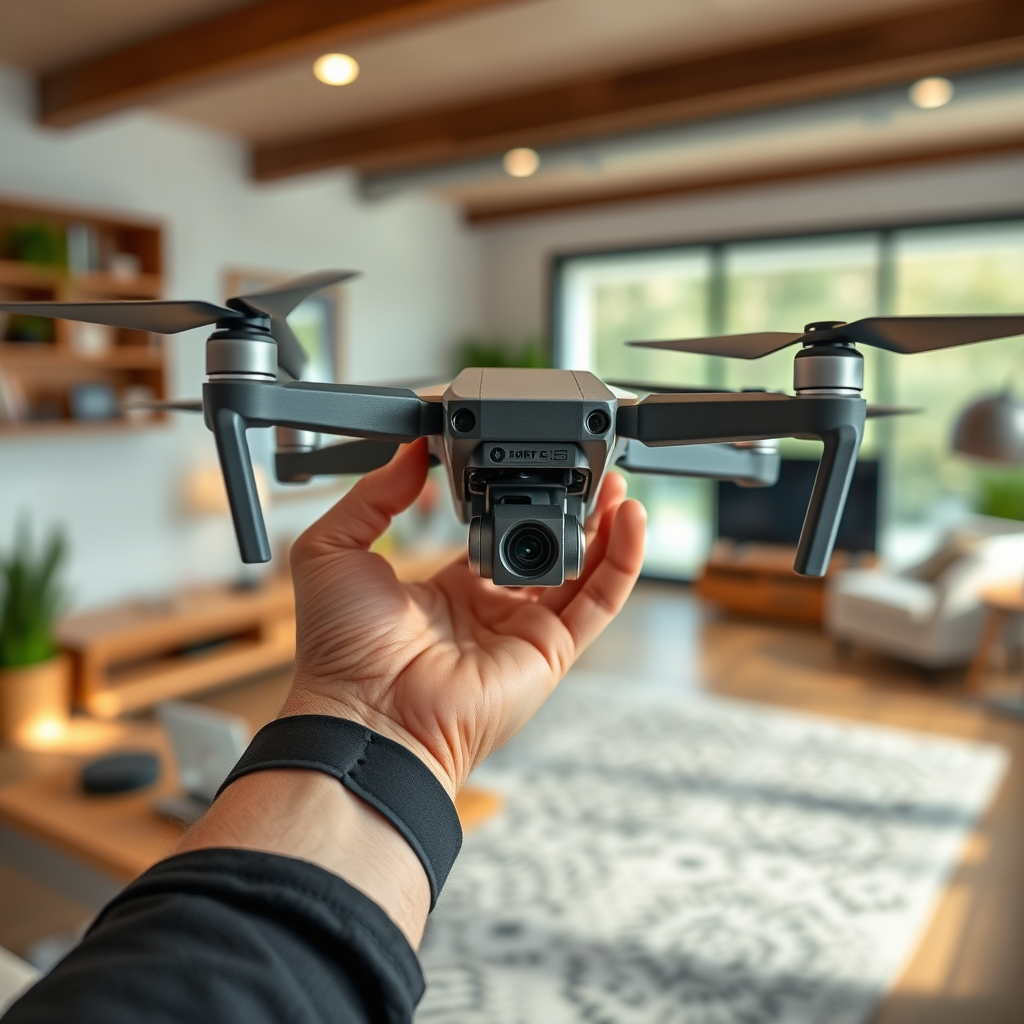
Yes, you can use a DJI drone as a handheld camera, but it requires some adjustments and understanding of the device’s functionality. DJI drones are primarily designed for aerial photography and videography, yet they can be adapted for ground use. This versatility allows creators to experiment with unique perspectives and capture stunning footage in ways that traditional cameras may not offer. However, doing so effectively necessitates careful preparation and an awareness of limitations. This article will explore how to effectively utilize a DJI drone in a handheld manner and the considerations you must keep in mind.
Understanding DJI Drone Capabilities
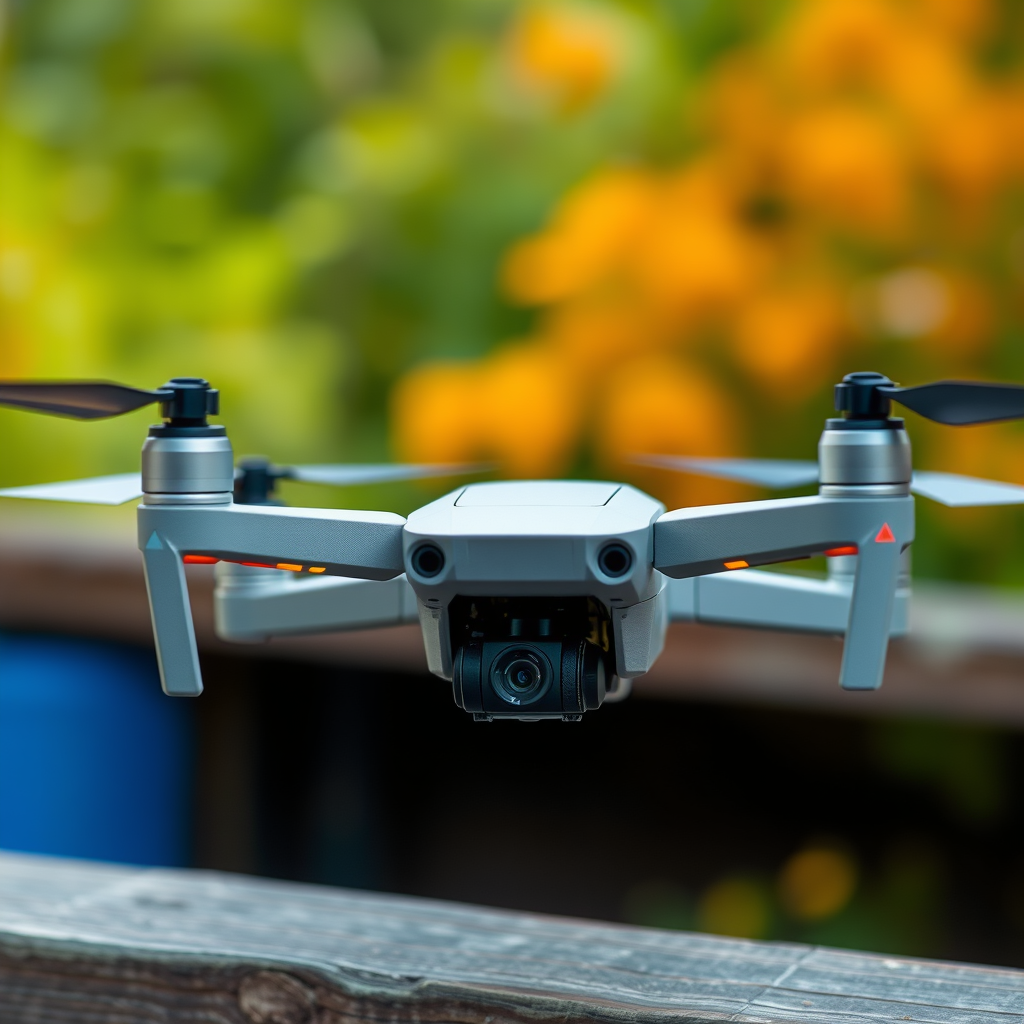
DJI drones are renowned for their advanced technology, particularly in camera quality and stabilization features. Most models come equipped with high-resolution cameras capable of shooting in 4K and beyond, providing exceptional detail and clarity. The cameras are mounted on sophisticated gimbals that stabilize the footage during flight, minimizing the effects of wind and sudden movements. This technology is crucial for aerial photography, where the risk of vibrations and camera shake is significant. When using a DJI drone as a handheld camera, these capabilities can still be harnessed, but users must understand the adjustments needed to maintain stability while on the ground.
Additionally, DJI drones offer various shooting modes, including ActiveTrack, which can follow subjects automatically, and various frame rates for slow-motion capturing. By leveraging these features, you can achieve cinematic shots even when the drone is not in flight. However, it’s important to remember that the handheld application may not provide the same level of control as traditional handheld cameras, particularly regarding framing and perspective.
Preparing Your Drone for Handheld Use
To effectively use a DJI drone as a handheld camera, preparation is key. First, detach the drone from its propellers. This step is essential, as removing the propellers significantly reduces the weight of the device, making it easier to handle. It also minimizes the risk of accidental injuries while filming.
Next, consider utilizing a gimbal or a handheld stabilizer. While DJI drones already come with built-in stabilization, adding an external gimbal can enhance stability further during handheld operation. A gimbal designed for handheld use will allow for smoother panning and tilting, which is particularly beneficial when navigating through dynamic environments or capturing moving subjects.
Before you start filming, familiarize yourself with the controls of the drone in handheld mode. This includes understanding how to adjust camera settings, switch modes, and utilize any additional features that may be beneficial during your shoot.
Best Practices for Handheld Operation
When operating a DJI drone as a handheld camera, employing best practices is crucial for achieving high-quality footage. First and foremost, maintain a steady grip and use both hands for better control. This dual-handed approach not only enhances stability but also allows for more precise adjustments when framing your shots.
Moreover, practice walking and moving slowly while filming. Sudden movements can lead to shaky footage, so it’s beneficial to adopt a deliberate and measured pace. Consider using techniques similar to those employed in traditional handheld cinematography, such as the “ninja walk,” which involves bending your knees and keeping your feet close together to minimize bounce.
Lastly, be mindful of your surroundings. When filming in crowded or dynamic environments, maintain awareness of obstacles that could interfere with your shot or lead to accidents. Planning your movements ahead of time can help in executing smoother transitions and maintaining focus on your subject.
Potential Limitations of Handheld Use
While the idea of using a DJI drone as a handheld camera is enticing, several limitations must be considered. One significant concern is battery life. When using additional accessories such as gimbals or external microphones, the drone’s battery may deplete faster than when operating in the air. It’s advisable to carry extra batteries or invest in high-capacity alternatives to ensure uninterrupted filming.
Another limitation is the field of view. Unlike traditional handheld cameras that offer a wide range of lens options, DJI drones have a fixed lens that may not provide the same versatility in terms of composition. The limited focal length can affect your ability to capture certain angles or close-ups, which may necessitate creative adjustments in your shooting approach.
Additionally, the weight of the drone, even without propellers, can become cumbersome during extended handheld operation. Consider the ergonomics of how you’ll hold the device for long periods to avoid fatigue, which can lead to shaky footage.
Recommended Accessories for Enhanced Performance
To enhance the performance of your DJI drone when used as a handheld camera, consider investing in several accessories. First, a high-quality gimbal is crucial for optimal stabilization. Look for gimbals that are specifically designed for handheld use and compatible with your drone model. These devices can significantly reduce the effects of camera shake and allow for smoother transitions and movements.
Another recommended accessory is lens filters. These filters can help manage light exposure, particularly in bright outdoor settings, improving overall image quality. Neutral density (ND) filters are particularly useful for achieving the desired motion blur in video footage, simulating the effects of shooting at slower shutter speeds.
Additionally, consider using an external microphone to enhance audio quality during filming. Built-in drone microphones may not capture sound effectively, especially in windy conditions. An external microphone can provide clearer audio, which is essential for vlogs, interviews, or narrative-driven content.
Use Cases for Handheld Drone Footage
The versatility of using a DJI drone as a handheld camera opens up a variety of use cases for creators. One of the most compelling applications is in vlogging or documentary filmmaking. Handheld drone footage can capture unique angles and perspectives that traditional cameras may not offer, providing a fresh and immersive experience for viewers.
Moreover, this approach is ideal for outdoor events where both aerial and ground-level shots are desired. By seamlessly transitioning from airborne to handheld footage, filmmakers can create dynamic storytelling that engages audiences and provides a comprehensive view of the event.
Additionally, handheld drone footage can be beneficial in scenarios requiring quick, on-the-go filming, such as travel videos or action sports. The lightweight design and flexibility of the drone make it easy to adapt to various shooting environments, facilitating spontaneous creativity.
In summary, using a DJI drone as a handheld camera can open new creative avenues for videographers and content creators. By understanding its capabilities and making necessary adjustments, you can capture stunning footage both in the air and on the ground. Consider experimenting with this approach to enhance your filmmaking techniques. Balancing the benefits of aerial photography with innovative handheld methods might just give your projects an edge in visual storytelling.
Frequently Asked Questions
Can you use a DJI drone as a handheld camera?
Yes, you can use a DJI drone as a handheld camera, particularly models equipped with stabilization technology like the DJI Osmo series or the DJI Ronin gimbals. By detaching the camera from the drone or using a compatible stabilizer, you can capture high-quality video and images while maintaining smooth motion. However, ensure you are familiar with the drone’s features and operating guidelines to maximize its potential as a handheld device.
What are the benefits of using a DJI drone as a handheld camera?
Using a DJI drone as a handheld camera offers several advantages, including high-resolution imaging, advanced stabilization, and versatile shooting modes. The drone’s camera typically features superior optics compared to standard handheld cameras, allowing for professional-quality footage. Additionally, the intuitive controls and customizable settings make it easier to achieve creative shots that might be challenging with traditional handheld cameras.
How can I stabilize my DJI drone for handheld use?
To stabilize your DJI drone for handheld use, consider using a gimbal or a handheld stabilizer specifically designed for the drone’s camera system. This will help reduce vibrations and improve overall footage quality. You can also adjust the camera settings, such as frame rate and shutter speed, to enhance stability. Practicing smooth movements and avoiding jerky motions will further contribute to a more polished final product.
Which DJI drones are best for handheld shooting?
The DJI Mini 3 Pro and DJI Mavic Air 2 are excellent choices for handheld shooting due to their lightweight design and high-quality cameras. The DJI Osmo Pocket is another great option, as it combines a 4K camera with a built-in gimbal for ultimate stabilization in a compact form. Each of these models enables easy transition from drone flight to handheld use, providing flexibility for various shooting scenarios.
Why would someone choose to use a drone as a handheld camera instead of a traditional one?
Someone might choose to use a drone as a handheld camera for the unique perspectives and cinematic quality it offers, which are often difficult to achieve with traditional cameras. Drones typically come with advanced features such as 4K video recording and superior stabilization, making them ideal for capturing dynamic shots. Additionally, the ability to switch between aerial and ground perspectives can enhance storytelling in video projects, offering a more engaging viewer experience.
References
- https://en.wikipedia.org/wiki/Drone_photography
- https://www.reuters.com/technology/dji-drone-cameras-2022-06-15/
- https://www.nytimes.com/2021/07/12/technology/drones-camera.html
- https://www.wired.com/story/drones-as-handheld-cameras/
- https://www.techcrunch.com/2020/12/15/dji-handed-camera-drone/
- https://www.nasa.gov/feature/nasa-research-into-drone-technology
- https://www.sciencedirect.com/science/article/pii/S2351978921000786
