
Drones can typically fly up to 1 to 7 miles from their operator, depending on the model and regulations. While the technology allows for significant distances, various factors such as battery life, signal strength, and local laws dramatically influence the maximum range. Understanding these aspects is crucial for responsible drone operation, ensuring both compliance with regulations and the safety of the flight. This article will explore these considerations in detail, helping you grasp the limitations and best practices for operating drones effectively.
Understanding Drone Regulations
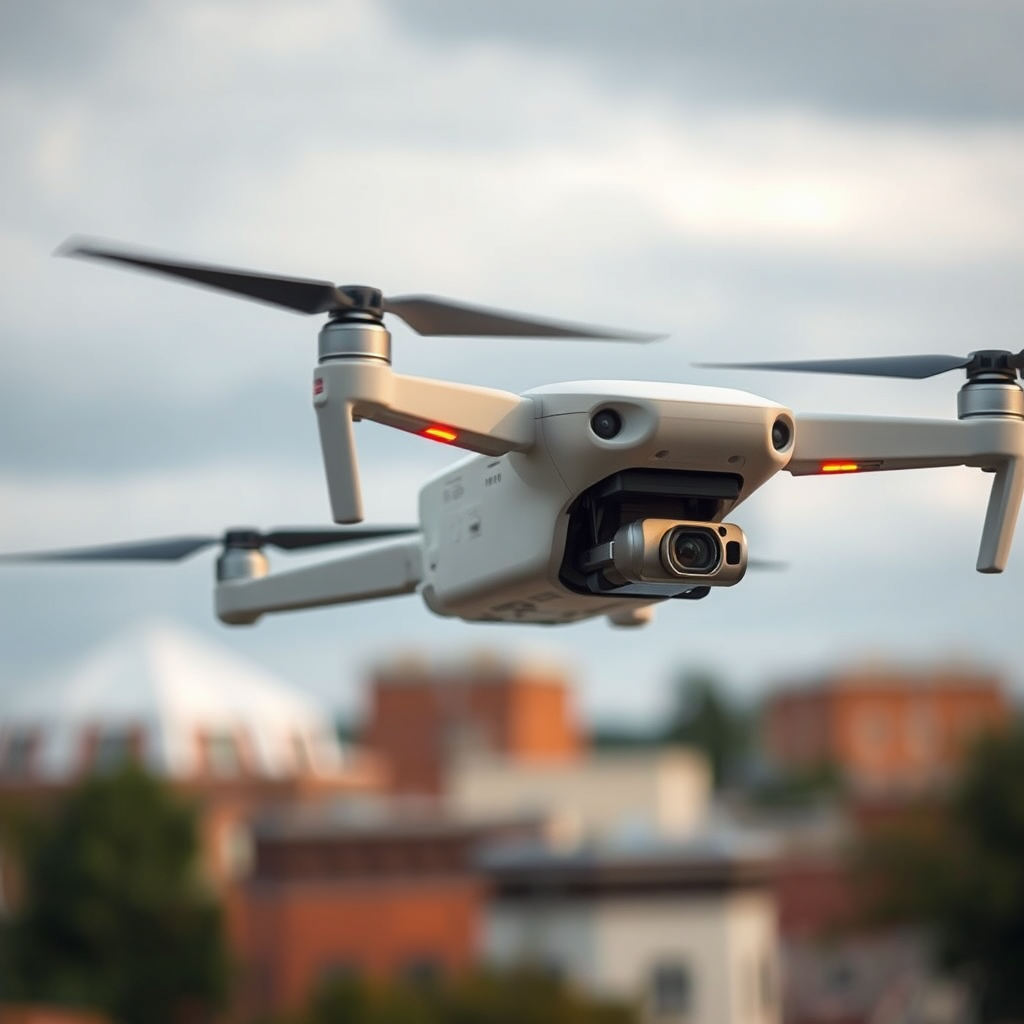
Most countries have specific laws governing drone flight distances, which are designed to ensure safety and prevent accidents. In the United States, the Federal Aviation Administration (FAA) mandates that drones must operate within 400 feet above ground level and remain within the visual line of sight of the operator. This regulation is crucial for maintaining awareness of the drone’s surroundings and avoiding potential collisions with other aircraft, structures, or people. Other countries may have similar regulations, though specifics can vary widely. For instance, the European Union has established rules that also emphasize visual line of sight but may allow for some exemptions under particular circumstances, such as for commercial operations with special permissions. Always check local regulations before flying to ensure compliance and avoid fines.
Factors Affecting Flight Distance
The maximum flight distance of a drone is heavily influenced by several critical factors. One of the primary determinants is the drone’s battery life. Consumer drones typically have battery lives that range from 20 to 30 minutes, meaning that the actual distance they can cover is limited by how quickly they consume their power. For instance, if a drone has a flight time of 25 minutes and travels at an average speed of 15 mph, it might only cover 3.75 miles before needing to return to its operator for a recharge.
Another crucial factor is the signal strength between the drone and the remote controller. Most consumer drones operate on either the 2.4 GHz or 5.8 GHz frequency bands. While the 5.8 GHz band can provide higher data rates and less interference, its range is shorter compared to the more robust 2.4 GHz band. Drones equipped with advanced signal processing capabilities can achieve better performance over longer distances, but even then, obstacles such as trees, buildings, and other structures can significantly disrupt the control signal.
Types of Drones and Their Ranges
When considering how far a drone can fly, it’s essential to differentiate between various types of drones available in the market. Consumer drones, like those made by DJI or Parrot, generally have a range of 1 to 4 miles. The DJI Mavic Air 2, for example, boasts a maximum range of about 6.2 miles under optimal conditions, but real-world factors often limit this to a few miles.
On the other hand, professional drones, which are designed for commercial applications, can reach distances of 5 miles or more. Models like the DJI Matrice 300 RTK are equipped with advanced technology that not only extends their operational range but also enhances their stability and reliability for tasks such as surveying, mapping, and search and rescue operations. Understanding the specific capabilities of the drone you are using is vital for planning effective flight operations.
Technology Enhancements for Longer Flights
Technological advancements are continually enhancing the capabilities of drones, enabling them to fly further and more efficiently. Advanced GPS and telemetry systems play a crucial role in improving distance and navigation accuracy. Drones equipped with dual GPS systems can maintain a stable position even in challenging environments, which is particularly useful for long-distance flights where drift could result in losing the drone.
Additionally, upgraded antennas can significantly enhance the signal range and quality, ensuring better control over the drone even at greater distances. For example, some drones now come equipped with OcuSync technology, which allows for HD video transmission and control over longer distances, greatly enhancing the user experience.
Moreover, the integration of artificial intelligence and machine learning is paving the way for autonomous flight capabilities. These systems can help drones navigate complex environments and avoid obstacles, potentially allowing for longer flights without direct operator intervention.
Safety Considerations for Long-Distance Flights
Maintaining safety during long-distance drone flights is paramount for both the operator and the public. Adhering to regulations, such as keeping the drone within visual line of sight, is not only a legal requirement but also a critical safety measure. Visual line of sight allows the operator to maintain awareness of the drone’s surroundings and react promptly to any potential hazards.
Operators should also be mindful of obstacles that could impede flight paths, such as trees, power lines, and buildings. Pre-flight planning that includes a thorough assessment of the area can help mitigate risks. Additionally, no-fly zones, such as airports and military bases, must be respected at all times to prevent legal repercussions and ensure the safety of all airspace users.
Best Practices for Maximizing Distance
To maximize the distance a drone can cover while ensuring safe operation, several best practices should be followed. Conducting pre-flight checks is essential to ensure that all systems are functioning correctly. This includes checking battery levels, signal strength, and GPS functionality. Ensuring that the drone is updated with the latest firmware can also enhance performance and reliability.
Furthermore, understanding local weather conditions is crucial. Wind, rain, and temperature can affect battery efficiency and signal strength. For example, flying against strong winds can drain battery life quickly, limiting the distance the drone can travel. Operators should monitor weather forecasts and avoid flying in adverse conditions to minimize disruptions.
Lastly, maintaining a clear line of sight and being aware of surroundings, including potential obstacles, can significantly enhance safety and operational success during long-distance flights.
Future Trends in Drone Technology
The future of drone technology holds exciting possibilities that may extend flight ranges significantly. Innovations in battery technology, such as the development of lithium-sulfur batteries, promise to increase energy density and longevity, thereby allowing drones to fly longer without needing to recharge. This could revolutionize applications such as delivery services or agricultural monitoring, where extended flight times are essential.
Additionally, the development of autonomous drones is changing how distance restrictions are approached. As these drones become more capable of navigating complex environments independently, regulatory frameworks may evolve to accommodate their use in commercial applications, potentially allowing for longer distances without direct operator oversight. Such advancements could lead to a new era of drone operation, where range limitations are significantly expanded.
In conclusion, while drones can fly impressive distances from their operators, understanding the limitations and regulations is essential for safe and effective use. Factors such as battery life, signal strength, and local laws play critical roles in determining the maximum range. By staying informed about these aspects and following best practices, operators can ensure a successful flight experience while complying with regulations. As technology continues to advance, the possibilities for drone operation will expand, paving the way for innovative applications and more extensive operational ranges in the future.
Frequently Asked Questions
What is the maximum distance a drone can fly from its operator?
The maximum distance a drone can fly from its operator largely depends on the specific model and regulations in place. Most consumer drones typically have a range of 1 to 5 miles, while professional drones can extend this distance significantly, sometimes up to 7 miles or more. However, it’s crucial to adhere to local laws and FAA regulations, which often require the drone to remain within the visual line of sight of the operator.
How do I ensure my drone stays within the legal flying distance?
To ensure your drone stays within the legal flying distance, familiarize yourself with local and federal regulations, which can vary by region. Utilizing features like GPS tracking and geofencing, available in many modern drones, can help keep your drone within the designated flying range. Additionally, always keep your drone in sight and have a spotter if you’re flying in a more complex environment.
Why is it important to maintain a visual line of sight with my drone?
Maintaining a visual line of sight with your drone is essential for safety, compliance, and operational control. It allows you to monitor the drone’s flight path, avoid obstacles, and respond quickly to any emergencies. Furthermore, regulations set by the FAA and other aviation authorities often mandate that operators keep their drones within visual range to prevent accidents and ensure the safety of people and property below.
What factors can affect how far a drone can fly from its operator?
Several factors can affect how far a drone can fly from its operator, including battery life, signal interference, and environmental conditions. Obstacles such as buildings, trees, and hills can block the radio signal, reducing the effective range. Additionally, adverse weather conditions like strong winds or heavy rain can impact flight performance, potentially limiting the distance you can safely operate the drone.
Which drones have the longest range for flying beyond the operator?
Drones known for their long-range capabilities include models like the DJI Mavic 3 and the DJI Air 2S, both of which can fly over 7 miles under optimal conditions. For professionals, the DJI Matrice series offers extensive range options and advanced features suited for commercial applications. When selecting a drone for long-range flights, consider factors such as battery life, signal strength, and the drone’s intended use to ensure it meets your specific needs.
References
- https://en.wikipedia.org/wiki/Drone#Regulations
- https://www.faa.gov/uas/getting_started/part_107/
- https://www.faa.gov/uas/
- https://www.nytimes.com/2021/05/20/technology/drone-flying-regulations.html
- https://www.reuters.com/technology/drones-are-flying-farther-than-ever-2021-07-22/
- https://www.npr.org/sections/thetwo-way/2018/10/18/658830928/faa-issues-new-guidelines-for-drone-operators
- https://www.techcrunch.com/2022/08/10/why-drone-range-matters-for-regulators-and-operators/
