
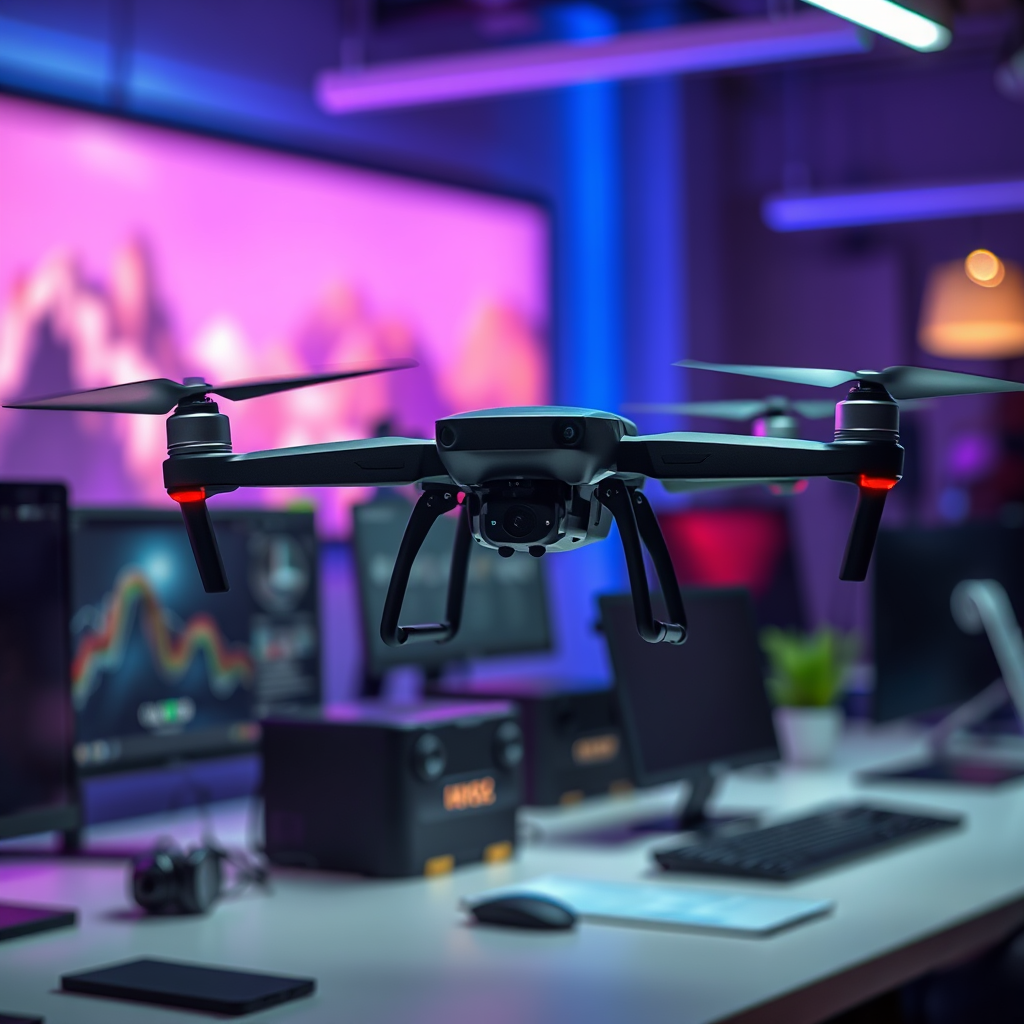
Most normal consumer drones can fly between 1 to 5 miles, depending on various factors such as battery life, environmental conditions, and the drone’s specifications. Understanding these elements is crucial for anyone interested in maximizing their drone’s flight capabilities. This article will delve into the key components that influence flight range and provide actionable insights for optimizing distance, ensuring that enthusiasts and professionals alike can harness the full potential of their aerial devices.
Understanding Drone Specifications
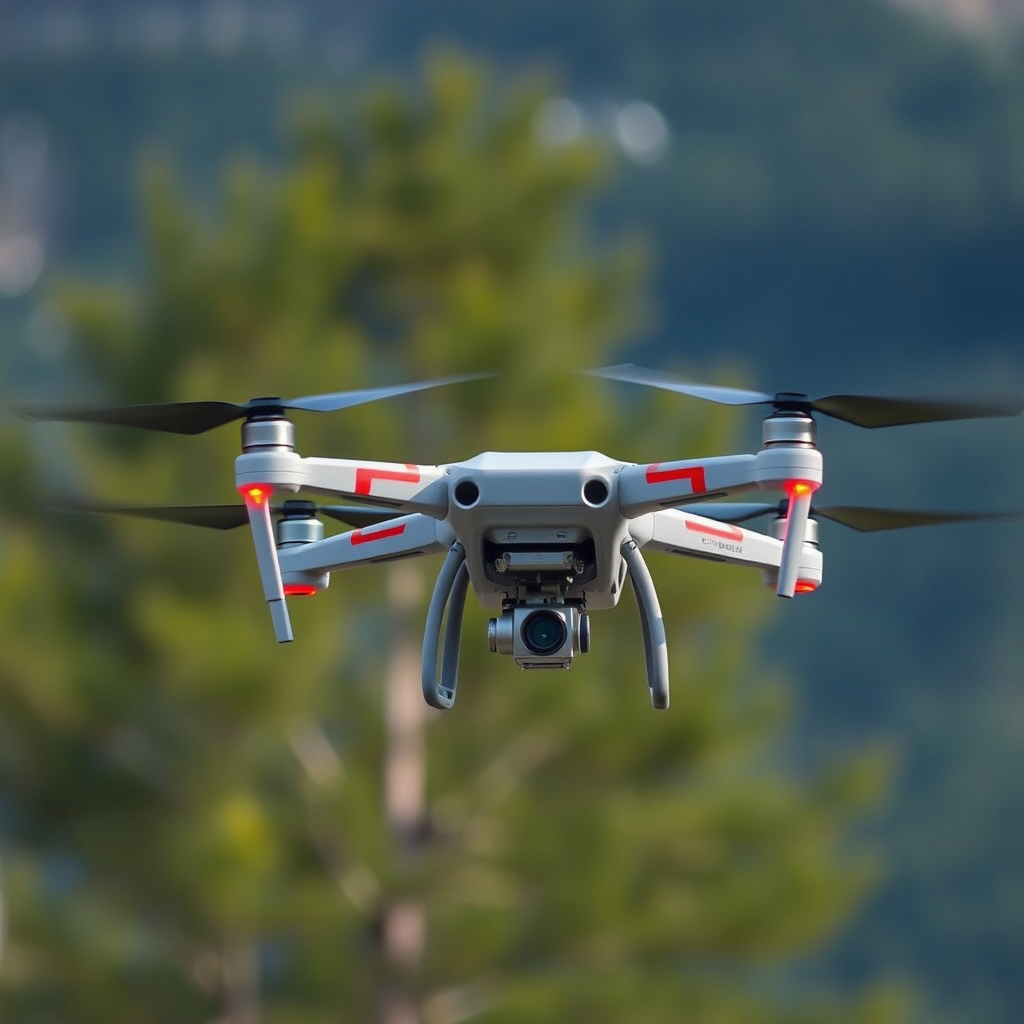
Battery capacity plays a crucial role in determining flight time and distance. Most consumer drones are equipped with lithium-polymer (LiPo) batteries, which vary greatly in capacity, typically measured in milliampere-hours (mAh). A drone with a higher mAh rating can generally sustain longer flights. For example, a drone with a 5200mAh battery might achieve a flight time of up to 25 minutes in ideal conditions, while a model with a 3000mAh battery might only reach 15 minutes.
In addition to battery capacity, the weight of the drone significantly affects power consumption. Lighter drones generally have a better power-to-weight ratio, allowing them to fly farther. For instance, a compact drone like the DJI Mini 2, which weighs around 249 grams, can achieve a maximum range of up to 6 miles under optimal conditions, whereas heavier drones may face more resistance and consume more battery power during flight. Therefore, when considering a drone purchase, it’s crucial to evaluate both the battery capacity and the drone’s weight to ensure optimal performance and range.
Environmental Influences
Weather conditions like wind speed and temperature can substantially impact flight range. Strong winds can create turbulence, making it difficult for drones to maintain stability and prolonging battery usage as the drone works harder to counteract these forces. For instance, a drone flying against a headwind may experience a significant reduction in its effective range. Similarly, cold temperatures can reduce battery efficiency, leading to shorter flight times. Pilots are advised to check weather forecasts before flying and to avoid extreme conditions that could hamper their drone’s performance.
Urban environments may also have interference that reduces effective distance. Buildings, trees, and other obstructions can interfere with the drone’s signal and GPS accuracy, which can lead to erratic flying behavior or loss of connection. For example, flying a drone in a densely populated area filled with skyscrapers might restrict its range to a mere fraction of what it could achieve in a wide-open space. Therefore, understanding the environmental context is vital for planning successful drone flights.
Flight Modes and Their Impact
Different flight modes, such as Sport Mode versus GPS Mode, can affect how far a drone can travel. Sport Mode typically allows for faster speeds and more agile maneuvers, but it may also consume more battery power quickly, leading to a reduced overall flight range. Conversely, GPS Mode focuses on stability and battery conservation, allowing the drone to maintain its position more effectively, which can be beneficial for long-distance flights.
Understanding how to switch between these modes can help optimize flight distance. For example, if a drone pilot is flying in an open area with minimal obstacles, they might choose Sport Mode for a thrilling experience, but when transitioning to navigational tasks or long-range photography, switching to GPS Mode would be more prudent. Knowing when to utilize each mode can vastly enhance the flying experience and extend the drone’s effective range.
Legal Regulations and Restrictions
FAA regulations may limit how far drones can fly from the operator. In the United States, regulations stipulate that drones must remain within the visual line of sight (VLOS) of the operator, which typically restricts them to approximately 3 to 5 miles, depending on the pilot’s visibility and altitude. Additionally, flying above 400 feet is generally prohibited without special permission, limiting the vertical range and potential distance of the flight.
Awareness of no-fly zones can also prevent unexpected range limitations. Many cities have designated areas where drone flying is not permitted, such as near airports, military bases, or certain public spaces. Familiarizing oneself with local regulations and using apps or resources that map no-fly zones can help operators avoid potential legal issues while maximizing their drone’s range.
Tips for Maximizing Flight Distance
Regular maintenance checks ensure optimal performance and longer flights. Keeping the drone’s propellers clean and free from debris, checking battery health, and ensuring firmware is up to date can all contribute to better flight efficiency. For instance, a drone that has undergone routine maintenance will typically have improved aerodynamics and stability, thus potentially increasing its range.
Using high-gain antennas can improve signal strength and extend range. Many consumer drones come with standard antennas, which may suffice for typical operations; however, upgrading to high-gain antennas can significantly enhance the communication range between the drone and the remote controller. This upgrade can be particularly beneficial in areas with potential interference from buildings or other electronic devices, allowing pilots to push the limits of their drone’s capabilities.
Popular Drone Models and Their Ranges
An overview of popular consumer drones reveals a range of flight distances that cater to various needs. The DJI Mavic Air 2, for instance, boasts a maximum range of approximately 6.2 miles, thanks to its robust battery and advanced transmission technology. Similarly, the Autel Robotics EVO Lite+ can achieve a range of around 7.4 miles, making it an excellent choice for those seeking extended flight capabilities.
Comparing specifications is essential for users to choose the right drone for their needs. For instance, if a user prioritizes portability and lightweight design, drones like the DJI Mini SE, which can fly up to 4 miles, may be more suitable. Conversely, for professionals needing extensive flight capabilities for aerial photography or mapping, heavier models with larger batteries, such as the DJI Phantom 4 Pro, could be more appropriate despite their increased weight.
In conclusion, while the average distance a normal drone can fly ranges from 1 to 5 miles, understanding the factors that influence this range can help users optimize their flying experience. By considering drone specifications, environmental influences, flight modes, legal regulations, and maintenance tips, enthusiasts can significantly enhance their aerial adventures. For anyone looking to purchase a drone, assessing these elements will ensure that they choose the best option for their flying needs, ultimately leading to more enjoyable and productive flights.
Frequently Asked Questions
What is the average flight range of a normal consumer drone?
The average flight range of a normal consumer drone typically falls between 1 to 3 miles (1.6 to 4.8 kilometers), depending on the model and environmental conditions. Factors such as battery life, signal strength, and interference can significantly affect this range. Higher-end models may boast ranges of up to 7 miles (11.3 kilometers) or more under ideal conditions.
How does the battery life of a drone impact its flight distance?
The battery life of a drone directly influences its flight distance, as most drones can only fly for 20 to 30 minutes on a single charge. If a drone’s battery drains quickly, it will limit the distance it can cover. Understanding the specific battery specifications of your drone can help in planning your flights and ensuring you have enough power to return safely.
Why do different drones have varying flight ranges?
Different drones have varying flight ranges due to several factors, including design, technology, and intended use. For instance, racing drones are designed for agility and speed, often sacrificing range, while aerial photography drones prioritize stability and longer flight times. Additionally, the type of communication technology used, such as Wi-Fi versus radio frequency, can also impact the range a drone can achieve.
What are the best practices to maximize a drone’s flight distance?
To maximize a drone’s flight distance, it’s essential to fly in open spaces away from obstacles that may interfere with the signal, monitor battery levels closely, and keep the drone in its line of sight. Additionally, flying at moderate speeds rather than full throttle can conserve battery life, allowing for longer flights. Always ensure your drone’s firmware is up to date for optimal performance.
Which factors can limit the flight range of a normal drone?
Several factors can limit the flight range of a normal drone, including environmental conditions such as wind, rain, or temperature, which can affect battery performance. Signal interference from other electronic devices or buildings can also hinder communication between the drone and the controller. Furthermore, flying beyond visual line of sight (VLOS) may trigger automatic return-to-home features, restricting the drone’s range.
References
- https://en.wikipedia.org/wiki/Drone
- https://www.faa.gov/uas/getting_started/remote_id
- https://www.nytimes.com/2020/06/09/technology/drones.html
- https://www.ncbi.nlm.nih.gov/pmc/articles/PMC7410224/
- https://www.researchgate.net/publication/335123456_A_Review_on_Drone_Technology
- https://www.abc.net.au/news/2021-04-06/how-far-can-drones-fly/100058054
- https://www.techrepublic.com/article/drone-technology-the-history-and-future-of-drones/
- https://www.smithsonianmag.com/innovation/how-drones-are-changing-the-way-we-see-the-world-180973524/
- https://www.sciencedirect.com/science/article/pii/S2352146518304586
