
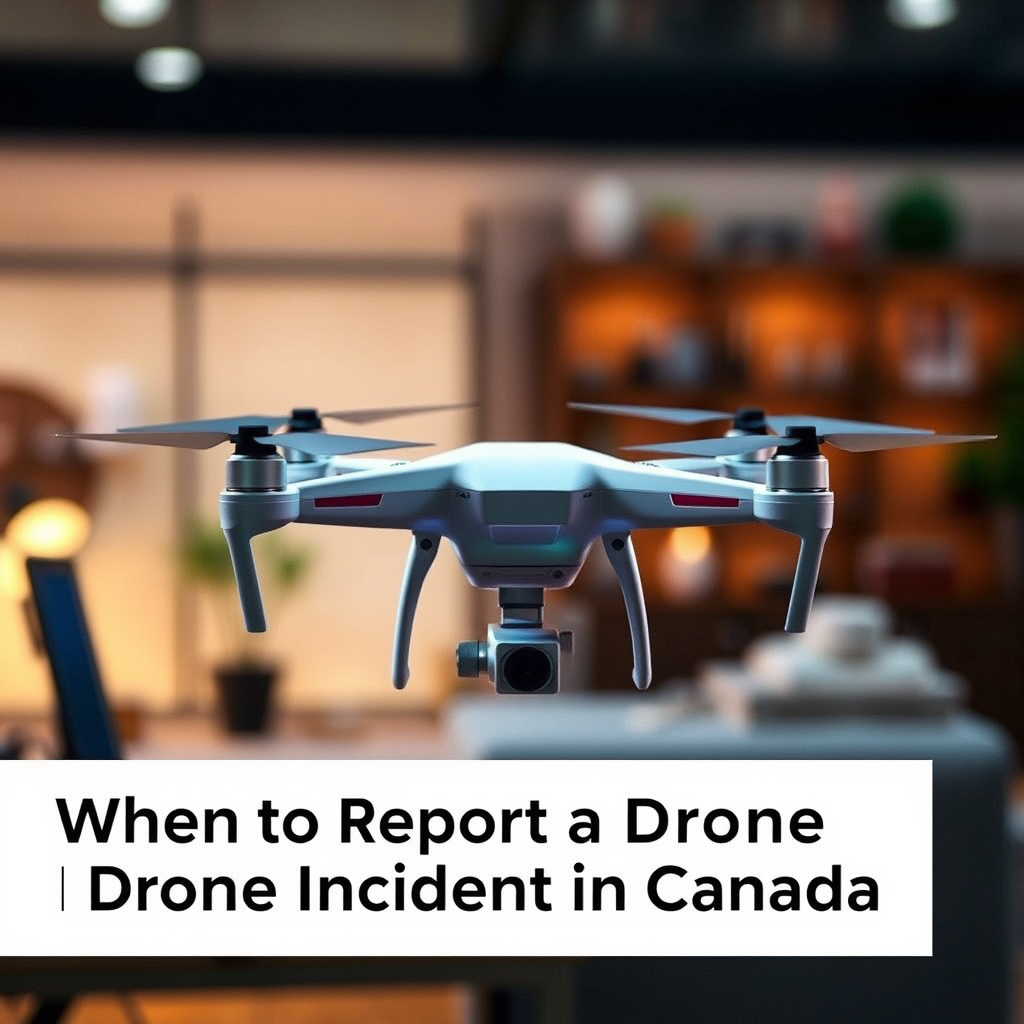
If you experience a drone incident in Canada, you should report it immediately if it poses a threat to safety or breaches regulations. Understanding the specific circumstances and regulations surrounding drone incidents will help ensure proper reporting and compliance with Canadian law. Given the increasing prevalence of drones in both personal and commercial contexts, it is essential for operators and the public alike to be aware of when an incident requires formal reporting and the steps to take in such situations.
Understanding Drone Regulations in Canada
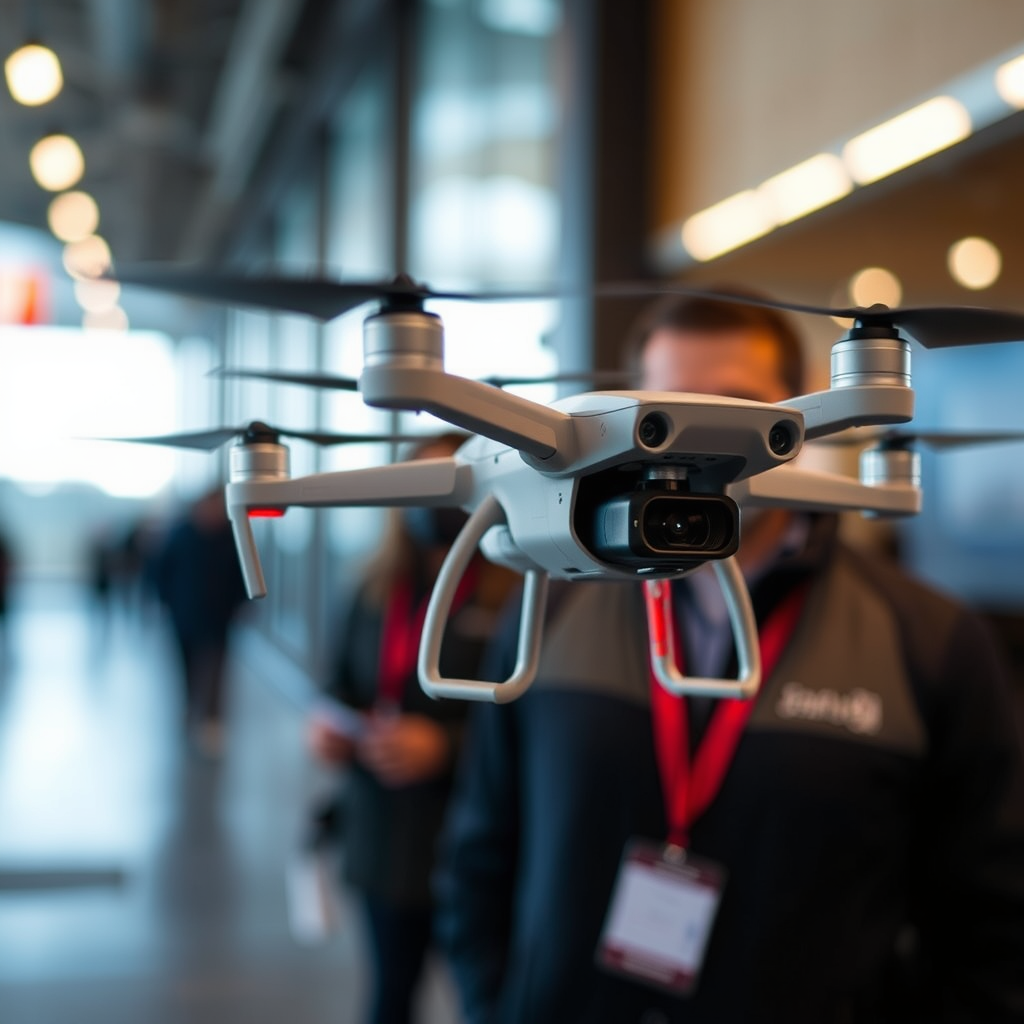
Transport Canada regulates drone operations through the Canadian Aviation Regulations (CARs), which establish clear guidelines for the safe operation of drones, also known as Remotely Piloted Aircraft Systems (RPAS). These regulations are designed to minimize risks associated with drone usage, including ensuring the safety of airspace and protecting the privacy of individuals. All drone operators must be familiar with these regulations, which include requirements for registration, pilot certification, and operational limitations based on drone weight and location.
Knowing your rights and responsibilities as a drone operator is critical. For instance, operators must adhere to altitude limits, maintain visual line-of-sight, and avoid flying near airports, emergency response efforts, or populated areas. Embracing these guidelines not only enhances safety but also fosters responsible usage within the community, ultimately contributing to a positive perception of drone technology.
Types of Drone Incidents to Report
There are specific scenarios in which drone incidents must be reported to the relevant authorities, primarily when they involve personal injury or property damage. For example, if a drone inadvertently collides with a person or a vehicle, causing injury or damage, this incident must be reported to ensure accountability and proper investigation.
Another critical category of incidents to report includes near misses with manned aircraft. These situations can significantly endanger lives and the safety of aviation operations. If a drone is flown in proximity to an aircraft, or if it interferes with an emergency operation, it is essential to report the incident to Transport Canada and local authorities immediately. Such incidents not only highlight regulatory breaches but may also lead to stricter enforcement measures to protect public safety.
Who to Report a Drone Incident To
When faced with an immediate threat—such as a drone flying in a restricted area or posing a danger to individuals—local law enforcement should be contacted without delay. Police agencies can respond rapidly to neutralize threats and ensure public safety. In cases where the incident involves regulatory breaches or operational misconduct, reporting to Transport Canada is crucial. They have established protocols for investigating such incidents and enforcing compliance with aviation regulations.
Additionally, drone operators should document the incident comprehensively to assist in the reporting process. This documentation can include details such as the time, location, and nature of the incident, which will be invaluable for authorities during their investigation.
How to Document a Drone Incident
Effective documentation during a drone incident is vital for both reporting and potential legal implications. Start by taking photographs of the scene, capturing any damage or injuries sustained. These images can serve as critical evidence when discussing the incident with authorities or insurance companies.
In addition to photographs, operators should take detailed notes about the event, including the drone’s registration number (if applicable), the operator’s information, and any witnesses present. A thorough record will not only assist authorities in their investigation but may also be crucial should any legal proceedings arise from the incident. Keeping a detailed log is a best practice for all drone operators, as it promotes accountability and transparency in the operation of unmanned aerial systems.
Consequences of Not Reporting
Failing to report a serious drone incident can lead to significant legal repercussions. Under Canadian law, operators can face penalties for non-compliance with reporting regulations, including fines or suspensions of their pilot certificates. Moreover, neglecting to report incidents that endanger public safety can lead to increased scrutiny of drone operations as a whole, potentially resulting in more stringent regulations that affect all drone users.
Additionally, the risks to public safety and aviation operations cannot be overstated. Unreported incidents may create a false sense of security among drone operators, leading to careless behavior and further incidents. By reporting every relevant incident, operators contribute to a safer aerial environment, fostering responsible usage and maintaining the integrity of Canada’s airspace.
Resources for Drone Operators
To ensure compliance with regulations and facilitate the reporting process, drone operators in Canada can access various resources provided by Transport Canada. The Transport Canada website offers comprehensive guidelines on drone regulations, including requirements for registration and pilot certification. Operators can also find information on how to report incidents, including downloadable reporting forms and contact information.
Local aviation authorities and drone user groups can also serve as valuable resources for operators seeking advice or clarification on regulations. Engaging with these organizations can provide insights into best practices and help operators stay informed about any changes in legislation or local regulations.
In conclusion, knowing when and how to report a drone incident is crucial for maintaining safety standards and compliance with regulations in Canada. It is imperative for all drone operators to understand their rights and responsibilities, recognize the types of incidents that warrant reporting, and document events thoroughly. By following the outlined steps, operators can ensure proper reporting and avoid potential legal issues, ultimately contributing to a safer drone operational landscape.
Frequently Asked Questions
What constitutes a reportable drone incident in Canada?
In Canada, a reportable drone incident typically includes any situation where a drone is involved in an accident or collision that results in injury, property damage, or a near miss with other aircraft. Additionally, incidents involving unauthorized drone operations in restricted airspace or breaches of privacy laws should also be reported. Understanding these criteria is crucial for compliance with Transport Canada regulations.
How do I report a drone incident in Canada?
To report a drone incident in Canada, you should contact Transport Canada through their online reporting system or by calling their aviation safety hotline. It’s essential to provide detailed information about the incident, including the time, location, and nature of the event. Prompt reporting helps maintain safety in the airspace and assists regulatory bodies in assessing risks associated with drone operations.
Why is it important to report drone incidents in Canada?
Reporting drone incidents in Canada is vital for ensuring aviation safety and accountability. By informing Transport Canada about accidents, near misses, or unlawful operations, you contribute to a safer airspace for all users and help authorities identify patterns that may require regulatory adjustments. Additionally, failure to report serious incidents could lead to legal ramifications for drone operators.
What are the consequences of failing to report a drone incident in Canada?
Failing to report a drone incident in Canada can lead to significant consequences, including potential fines and legal action against the drone operator. Transport Canada requires compliance with reporting regulations to ensure air safety, and neglecting to report can hinder investigations into serious incidents. Moreover, it may also impact insurance claims and liability issues related to the incident.
Which types of drone incidents should I prioritize reporting?
You should prioritize reporting incidents that involve injuries to people, damage to property, or near misses with manned aircraft. Additionally, any incidents that violate regulations, such as flying in restricted airspace or operating without proper authorization, should be reported immediately. By focusing on these types of incidents, you help protect public safety and contribute to a better understanding of drone operational risks.
References
- https://www.tc.gc.ca/en/services/aviation/drone-safety.html
- https://www.tc.gc.ca/en/services/aviation/drone-incident-reporting.html
- https://www.cbc.ca/news/canada/drone-incident-reporting-1.5427161
- https://www.faa.gov/uas/resources/publications/
- https://www.ama.ab.ca/drone-incident-reporting/
- https://www.theglobeandmail.com/canada/article-canadian-drone-regulations/
