
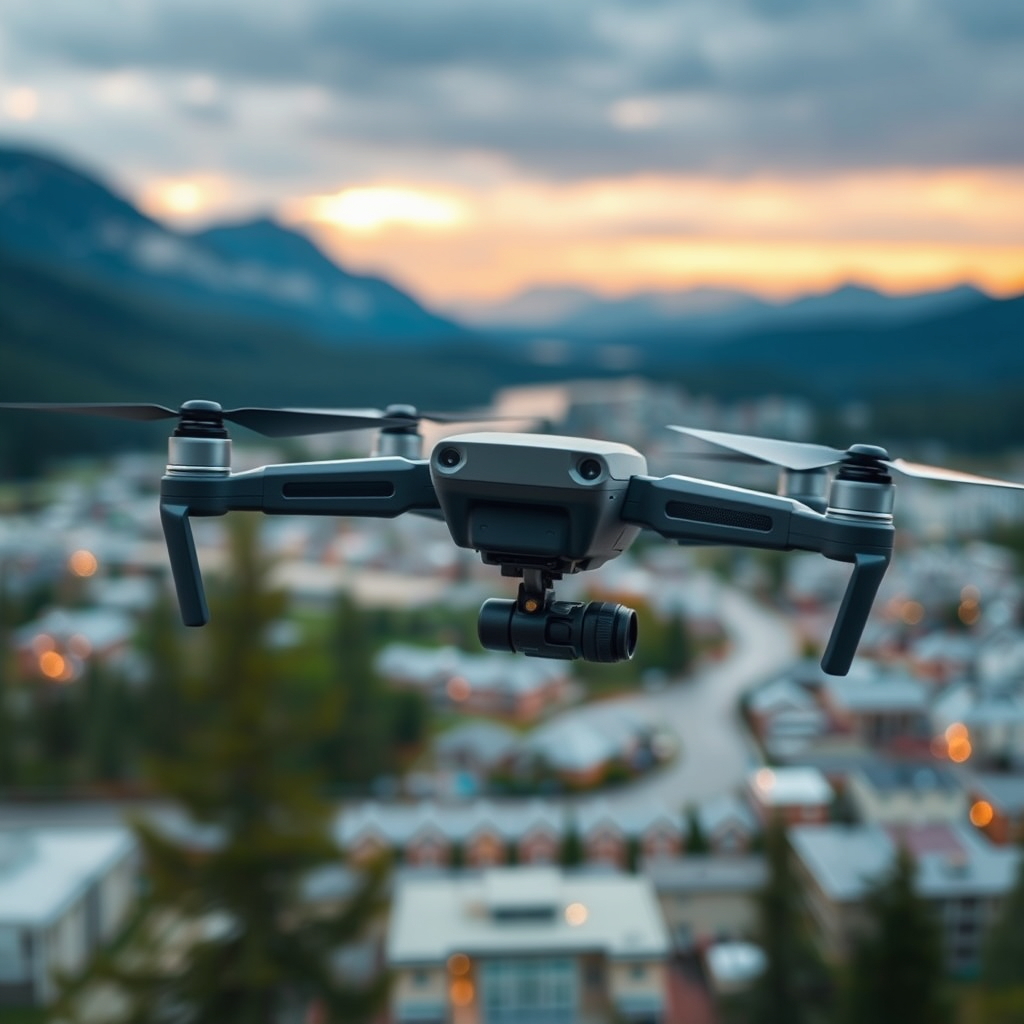
In Canada, you can fly drones in various locations, including parks, beaches, and open fields, provided you follow specific regulations. Understanding where you can legally operate your drone is crucial for a safe and enjoyable flying experience. This guide will help you navigate the rules and identify suitable locations for your drone activities while ensuring compliance with Canadian regulations.
Understanding Canadian Drone Regulations
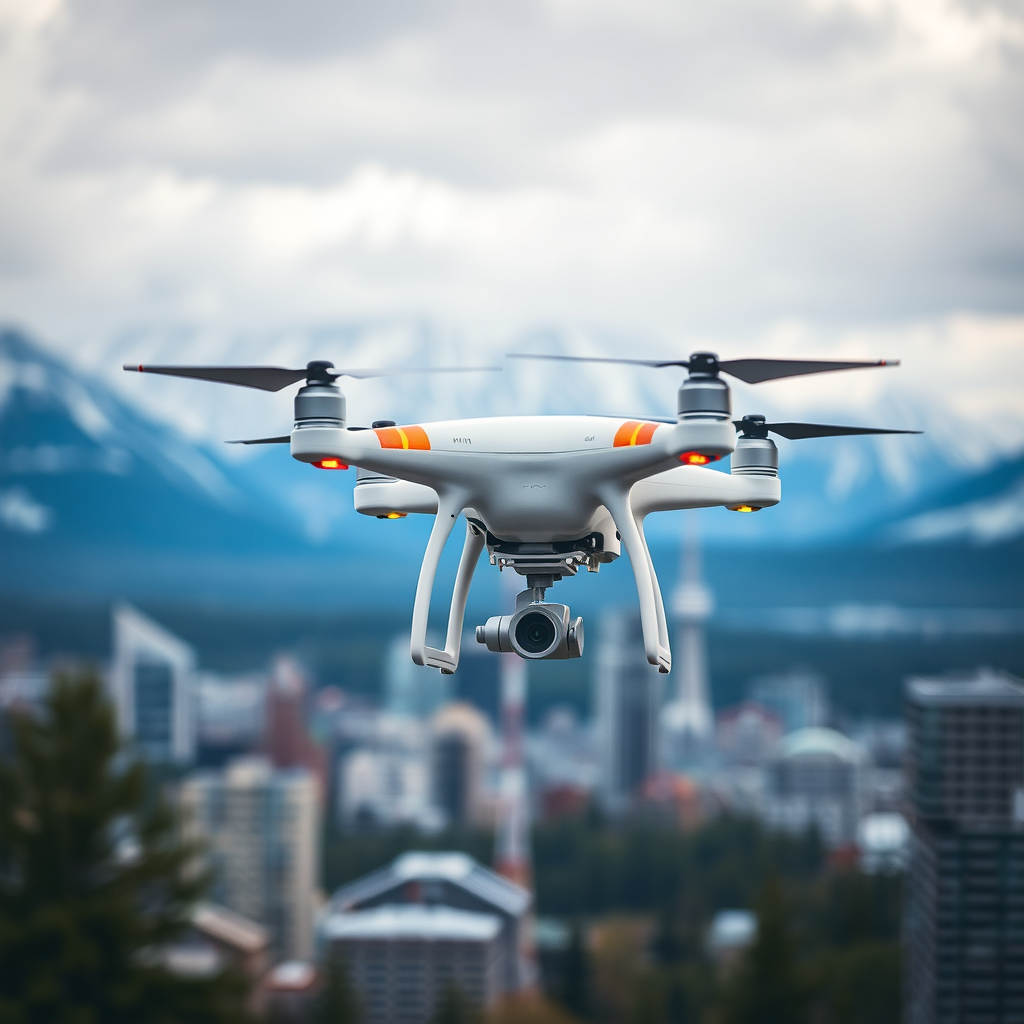
Transport Canada oversees drone regulations, ensuring safety and compliance in the increasingly popular world of unmanned aerial vehicles (UAVs). The regulations are designed to protect both the drone operators and the general public, thereby enhancing the overall safety of airspace. Drones weighing more than 250 grams must be registered with Transport Canada, and pilots must obtain the appropriate certification depending on the drone’s weight and intended use.
There are two main categories of drone operation: Basic and Advanced. Basic operations, which are typically for lighter drones and simpler flight scenarios, require passing a written test to obtain a pilot certificate. Advanced operations, which involve flying in more complex environments or using heavier drones, necessitate a more comprehensive examination and a more detailed understanding of airspace regulations. Understanding these regulations is the first step in ensuring a successful and legal drone-flying experience in Canada.
Designated Flying Areas
Across Canada, numerous parks and recreational areas welcome drone enthusiasts, often with specific guidelines to ensure safety and minimize disturbances. For instance, many national and provincial parks may allow drone flying in designated areas, provided that operators adhere to both national regulations and local rules. Popular parks such as Banff National Park and Jasper National Park have specific zones where drone flying is permitted, but users must still respect wildlife and natural habitats.
In addition to parks, many provinces and territories have established designated drone zones. For instance, the City of Toronto has created drone-friendly zones in select parks where operators can fly responsibly without disrupting other activities. Additionally, the province of British Columbia has introduced specific areas for drone use, particularly in rural settings, to accommodate the growing number of drone users while maintaining public safety.
No-Fly Zones
While Canada offers numerous opportunities for drone flying, it is essential to be aware of restricted areas where drone operation is prohibited. Key no-fly zones include airports, military bases, and urban centers. Transport Canada has enacted strict regulations around these areas to ensure the safety of air traffic and national security.
For example, flying a drone within 5.5 kilometers of an airport is strictly forbidden unless the operator has received special authorization. Additionally, no-fly zones are often established around critical infrastructure, such as power plants and prisons, to protect sensitive areas. It is also crucial to check for temporary flight restrictions that may apply during events or emergencies, as these can change frequently and without notice. Utilizing resources like the Drone Flight Planner app can help operators easily identify no-fly zones in their vicinity.
Provincial and Municipal Guidelines
In Canada, drone regulations can vary significantly by province and municipality, which may impose additional requirements or restrictions on flying. For example, the province of Quebec has specific regulations regarding drone use in urban environments, including restrictions on flying above populated areas or near schools. Conversely, Alberta may have more lenient regulations in rural regions, allowing for greater freedom in drone operation.
Local municipalities may also have specific by-laws regarding drone use in public spaces, which can include parks, beaches, and public events. For instance, the City of Vancouver has developed a set of regulations that govern drone use in city parks, emphasizing the need for operators to respect public safety and privacy. Always check with local authorities and consult municipal websites to ensure compliance with any local regulations before planning your drone flight.
Tips for Responsible Flying
To foster a positive drone-flying community and avoid potential conflicts, it is vital to practice responsible flying habits. Always respect the privacy of individuals and avoid flying over private property without permission. This not only helps maintain good relations with the public but also protects drone operators from legal repercussions.
Additionally, following established safety protocols is essential. Ensure that you conduct a pre-flight inspection before every flight, checking for battery life, equipment functionality, and environmental conditions. It is also advisable to maintain a line of sight with your drone and avoid flying in adverse weather conditions. Engaging with local drone communities can provide valuable insights and tips for safe flying practices, as well as opportunities for networking and collaboration.
Popular Drone-Flying Locations
Canada is home to breathtaking landscapes that offer drone enthusiasts a wealth of stunning locations for flying. National parks and nature reserves, such as Yoho National Park and Pacific Rim National Park Reserve, provide expansive vistas and unique geological formations that are ideal for aerial photography and videography. Coastal areas, such as the stunning shorelines of Prince Edward Island or the rugged coasts of Newfoundland and Labrador, also offer exceptional backdrops for drone operations.
Remote regions, like the vast wilderness of the Yukon or the tranquil lakes of Northern Ontario, can provide fewer restrictions and allow for a more immersive flying experience. However, always ensure that you are aware of local regulations before launching your drone in these locations. Consider using online mapping tools or drone apps to identify the best spots for drone flying, as well as any applicable regulations in those areas.
In conclusion, knowing where you can fly drones in Canada is essential for compliance and safety. By understanding the regulations set forth by Transport Canada, being aware of designated flying areas and no-fly zones, and adhering to local guidelines, you can enhance your flying experience significantly. Practicing responsible flying habits and exploring popular drone-friendly locations will not only ensure compliance but also contribute to a positive community of drone enthusiasts. For more information, check local drone communities or government resources to stay updated on regulations and best practices for drone operation in Canada.
Frequently Asked Questions
What are the regulations for flying drones in Canada?
In Canada, drone operators must adhere to the regulations set by Transport Canada. Drones must be flown within the pilot’s visual line of sight, below 122 meters (400 feet), and away from bystanders unless you have a Special Flight Operations Certificate (SFOC). Additionally, you cannot fly drones near airports, in restricted airspaces, or over emergency scenes. It’s crucial to familiarize yourself with the Canadian Aviation Regulations (CARs) and the Drone Safety Regulations (DSR) to ensure compliance.
How can I find designated drone flying areas in Canada?
Designated drone flying areas in Canada can be found using the NAV Canada Drone Site Selection Tool, which provides a map of approved locations for recreational and commercial drone use. You can also visit local parks and recreational websites, as many municipalities have established drone-friendly zones. Always check local regulations and guidelines before flying, as restrictions may vary by province or city.
Why are some areas restricted for drone flying in Canada?
Certain areas are restricted for drone flying in Canada primarily due to safety and privacy concerns. Airports, military bases, and urban centers are typically off-limits to prevent potential accidents and protect sensitive airspace. Moreover, locations like national parks often restrict drone use to preserve wildlife and natural landscapes. Understanding these restrictions helps ensure safe and responsible drone operation.
What types of drones can I fly in Canada, and do I need a license?
In Canada, you can fly both recreational and commercial drones, but the requirements differ. For recreational flying, drones weighing under 250 grams do not require a license, while those above this weight require the pilot to complete a free online test and obtain a Basic Pilot Certificate. For commercial use, operators must hold a Advanced Pilot Certificate and comply with additional regulations, including obtaining an SFOC if flight in controlled airspace is necessary.
Which provinces in Canada are the most drone-friendly?
Provinces like British Columbia, Alberta, and Ontario are considered some of the most drone-friendly in Canada, offering vast landscapes, national parks, and dedicated flying areas. However, specific regulations may vary by municipality, so it’s essential to check local laws. Additionally, regions with fewer urban developments provide more opportunities for drone enthusiasts to explore and capture stunning aerial photography without interference.
References
- https://www.canada.ca/en/transport-canada/services/air-transport/drone-safety/where-fly-drones-canada.html
- https://www.tc.gc.ca/en/services/aviation/drone-safety.html
- https://www.cbc.ca/news/canada/drone-regulations-1.5534211
- https://en.wikipedia.org/wiki/Unmanned_aerial_vehicle#Regulations_in_Canada
- https://www.uvic.ca/research/centres/drones/faq/index.php
- https://www.nrcan.gc.ca/science-data/science-research/earth-sciences/geography/land-use-and-land-cover/drone-technology-and-its-uses-in-canada/20295
