
Choosing between the AeroVironment Puma LE and the Freefly Alta 8 Pro ultimately depends on your specific needs in long-endurance cinematic applications. The Puma LE excels with a remarkable 20km radio range, making it ideal for military and surveillance missions, while the Alta 8 Pro, with its 5km range, stands out for its superb cinematic capabilities. This article delves into the distinctive features, performance metrics, and potential applications of each drone, guiding you to make an informed choice based on your unique requirements.
Overview of the AeroVironment Puma LE
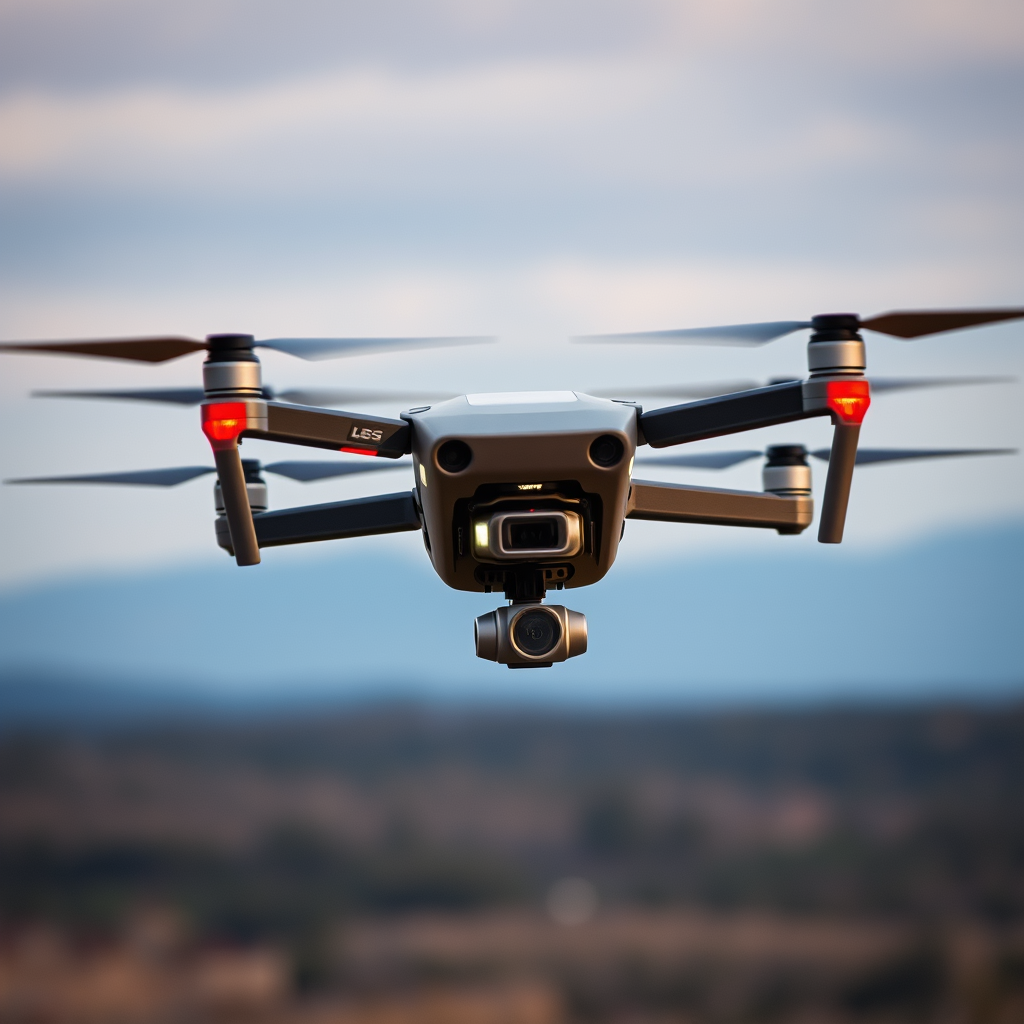
The AeroVironment Puma LE is engineered primarily for military and surveillance operations, showcasing a robust design that caters to the demanding needs of these sectors. Its impressive 20km radio range allows operators to conduct extended missions without the constant need for repositioning, providing a significant tactical advantage. The Puma LE is equipped with advanced sensors and imaging technology, which enhances its effectiveness in reconnaissance and intelligence gathering. This drone is also designed to be launched from land or maritime environments, further increasing its versatility and operational flexibility.
In addition to its long-range capabilities, the Puma LE’s endurance is noteworthy, with flight times exceeding six hours under optimal conditions. This makes it an invaluable asset for missions requiring prolonged surveillance or data collection. The drone’s ability to operate in various weather conditions and its robust construction also contribute to its reliability in diverse scenarios, making it a preferred choice for military forces globally.
Overview of the Freefly Alta 8 Pro
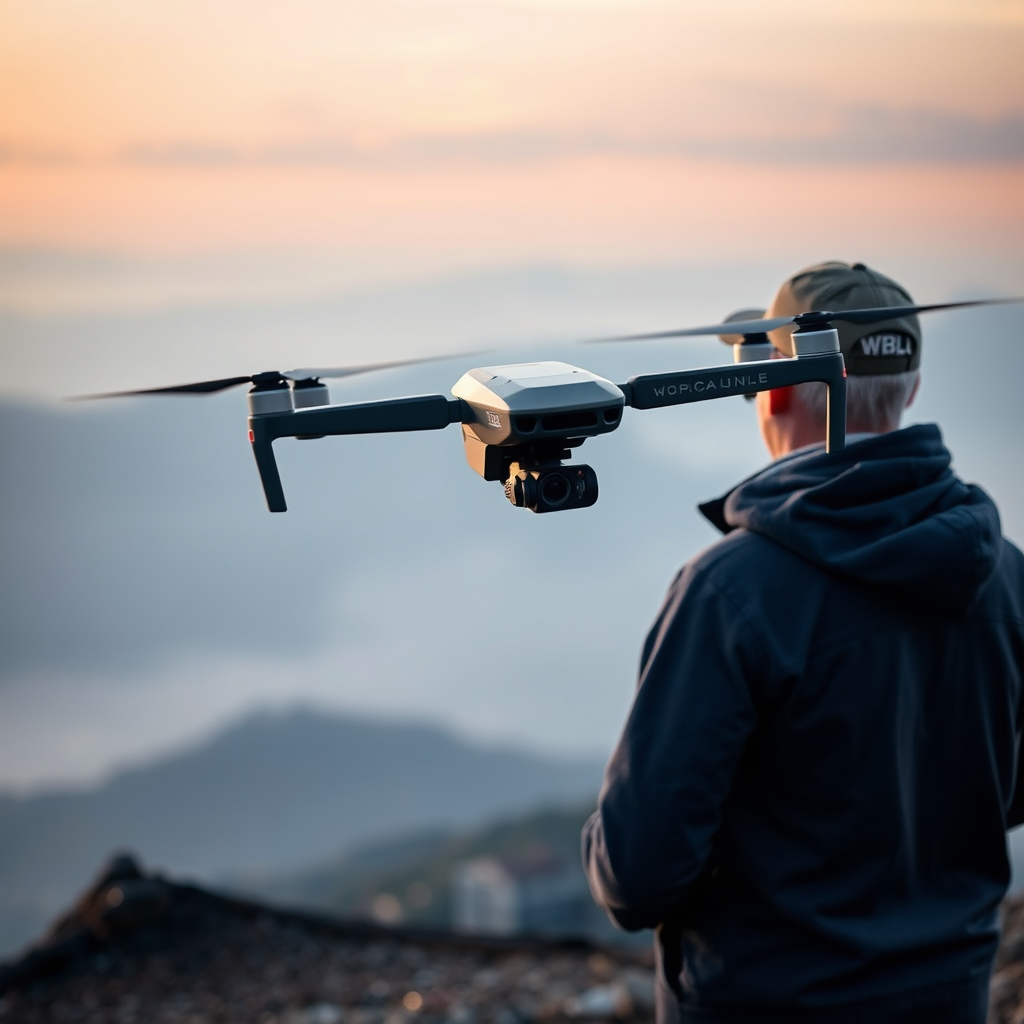
In contrast, the Freefly Alta 8 Pro is meticulously crafted for professional cinematography and creative projects. Designed with filmmakers and content creators in mind, it emphasizes stability and advanced camera payload capabilities, making it an excellent choice for high-quality aerial cinematography. The drone’s 5km radio range is complemented by its ability to carry substantial camera equipment, including high-end cinema cameras, gimbals, and other accessories, providing filmmakers with the flexibility to capture stunning aerial shots.
The Alta 8 Pro boasts a flight time of approximately 20-30 minutes, depending on payload, which, while shorter than the Puma LE, is typically sufficient for most cinematic endeavors. Its eight-rotor design enhances stability, allowing for smooth footage even in challenging weather conditions. Additionally, the Alta 8 Pro features sophisticated flight control systems that provide intuitive handling and precise maneuverability, crucial for filmmakers needing to execute complex shots.
Performance Comparison
When comparing the performance of the AeroVironment Puma LE and the Freefly Alta 8 Pro, flight times and endurance are critical factors. The Puma LE’s endurance, exceeding six hours, allows for extensive missions without the need for frequent landings or battery swaps. This is particularly advantageous in military settings where time and information gathering are paramount.
On the other hand, the Alta 8 Pro offers a commendable flight time of 20-30 minutes, which is generally acceptable for film shoots. However, the ability to quickly change batteries and the inclusion of smart battery management systems can optimize its performance during shoots.
Maneuverability is another vital aspect. The Puma LE is designed for stability in various environmental conditions, making it adept at navigating windy or turbulent areas. The Alta 8 Pro, with its advanced flight controls and responsive handling, allows filmmakers to execute dynamic aerial maneuvers with ease, providing a level of creative freedom that is essential in the film industry.
Camera and Payload Capabilities
The camera and payload capabilities of both drones play a significant role in their respective applications. The Puma LE is compatible with a range of surveillance sensors, including electro-optical and infrared cameras, which are essential for reconnaissance and monitoring tasks. Its payload capacity allows for the integration of advanced imaging systems that can capture high-resolution data, vital for military operations.
Conversely, the Freefly Alta 8 Pro is designed to support heavy camera systems, with a maximum payload capacity of up to 8 kg. This allows filmmakers to use high-end cameras like the RED Komodo or the Canon C300, along with stabilizers and lenses, ensuring top-notch cinematic quality. The impact of payload weight on flight performance is crucial; while heavier payloads may reduce flight time, the Alta 8 Pro compensates with its robust design and efficient power management systems, ensuring stability and control during flight.
Use Cases and Applications
When it comes to use cases, the AeroVironment Puma LE is ideally suited for applications in surveillance and reconnaissance. Its extended range and endurance make it perfect for military operations, border patrol, and environmental monitoring. The ability to operate in diverse terrains and conditions further enhances its utility in strategic missions, allowing operators to gather critical information without being physically present in potentially hazardous areas.
In contrast, the Freefly Alta 8 Pro excels in the realm of filmmaking, live events, and aerial photography. Its stability and superior payload capabilities make it a favorite among filmmakers, allowing for breathtaking aerial shots that enhance storytelling. The drone is also popular in commercial applications, such as real estate photography and promotional videos, where high-quality visuals are paramount. The Alta 8 Pro’s versatility and ease of use make it a valuable tool for capturing dynamic content in various contexts.
Pricing and Value Proposition
Pricing is a significant factor when considering both the AeroVironment Puma LE and the Freefly Alta 8 Pro. The Puma LE, designed for military applications, often comes with a higher price tag due to its advanced technology and robust construction, typically starting from around $250,000. This investment may be justified for organizations requiring high-end surveillance capabilities and extended operational range.
On the other hand, the Freefly Alta 8 Pro is priced more accessibly for professionals in the film industry, usually ranging from $15,000 to $20,000, depending on the configuration and additional equipment. This price point makes it an attractive option for filmmakers seeking high-quality aerial cinematography without the hefty investment required for military-grade drones. Buyers must consider the features and capabilities that align with their specific use cases to evaluate the overall value proposition effectively.
User Feedback and Community Insights
User feedback and community insights provide valuable perspectives on both drones. The AeroVironment Puma LE is praised for its reliability and long-range capabilities, with users highlighting its effectiveness in military operations and surveillance missions. However, some concerns have been raised regarding its complexity and the steep learning curve required for new operators.
Conversely, the Freefly Alta 8 Pro enjoys a strong reputation among filmmakers, with users frequently commending its stability and ease of use. Many filmmakers appreciate the drone’s ability to carry heavy camera setups while maintaining smooth footage. However, some users have noted that its shorter flight time may require careful planning during shoots, particularly for complex scenes requiring multiple takes.
Both drones have dedicated user communities that provide support and resources, enhancing the overall experience for operators and ensuring they can maximize the capabilities of their equipment.
Both the AeroVironment Puma LE and the Freefly Alta 8 Pro bring unique strengths to the table, making them suitable for different applications. The Puma LE is ideal for those needing extended range for strategic operations, while the Alta 8 Pro is perfect for filmmakers looking for high-quality aerial shots within a shorter range. Depending on your specific needs and budget, either drone could be the perfect fit for your next project. Be sure to assess your priorities carefully before making a purchase decision.
Frequently Asked Questions
What are the key differences between the AeroVironment Puma LE and the Freefly Alta 8 Pro in terms of operational range?
The AeroVironment Puma LE boasts an impressive operational range of up to 20 kilometers, making it suitable for long-endurance missions and situations where extended surveillance is required. In contrast, the Freefly Alta 8 Pro has a more limited range of approximately 5 kilometers, focusing instead on high-performance cinematography and payload versatility. Users should consider their primary use case when choosing between the two, as the Puma LE excels in long-range surveillance, while the Alta 8 Pro is designed for high-quality aerial video capture.
How does the payload capacity of the AeroVironment Puma LE compare to the Freefly Alta 8 Pro?
The AeroVironment Puma LE is specifically designed for lightweight surveillance equipment, typically carrying payloads around 1.5 kg. On the other hand, the Freefly Alta 8 Pro can handle significantly heavier payloads, ranging from 4 to 8 kg, making it ideal for professional cinematography and complex aerial photography setups. If your focus is on high-end video production, the Alta 8 Pro’s payload capability is a critical advantage.
Why is long-endurance capability important when choosing between the Puma LE and the Alta 8 Pro?
Long-endurance capability is crucial for applications that require extended flight times without frequent recharges or landings. The AeroVironment Puma LE offers up to 15 hours of flight time, making it perfect for missions that demand continuous monitoring over vast areas. In contrast, the Freefly Alta 8 Pro, while providing exceptional flight stability and quality, typically offers shorter flight times, around 30-40 minutes, depending on the payload. Therefore, your choice should align with the specific requirements of your project.
Which drone is better for cinematic applications, the Freefly Alta 8 Pro or the AeroVironment Puma LE?
For cinematic applications, the Freefly Alta 8 Pro is the superior choice. It is designed specifically for high-quality video production, with advanced stabilization systems and the ability to carry heavy cameras and gimbals. The Puma LE, while capable of carrying imaging equipment, is primarily intended for reconnaissance and surveillance, lacking the cinematic features and payload flexibility that creative professionals require.
How do the pricing and maintenance costs compare between the AeroVironment Puma LE and the Freefly Alta 8 Pro?
The AeroVironment Puma LE generally comes at a higher initial purchase price, reflecting its specialized military-grade technology and long-range capabilities. Maintenance costs for the Puma can also be significant, given the sophisticated systems involved. Conversely, the Freefly Alta 8 Pro, while still a premium drone, may have lower ongoing maintenance costs due to its more straightforward design and the availability of off-the-shelf parts. Prospective buyers should evaluate their budget and long-term maintenance expectations when making a decision.
References
- https://en.wikipedia.org/wiki/AeroVironment_Puma
- https://www.nytimes.com/2021/01/05/technology/drones-technology.html
- https://www.reuters.com/article/us-drone-detection-idUSKBN2A10O
- https://www.nasa.gov/feature/nasa-drones-helping-to-solve-wildfire-issues
- https://www.mdpi.com/2504-446X/4/1/29
- https://www.wired.com/story/the-rise-of-the-cinematic-drone/
- https://www.techcrunch.com/2021/06/15/the-evolution-of-drone-technology
- Unmanned Aircraft Systems (UAS) | Federal Aviation Administration
