
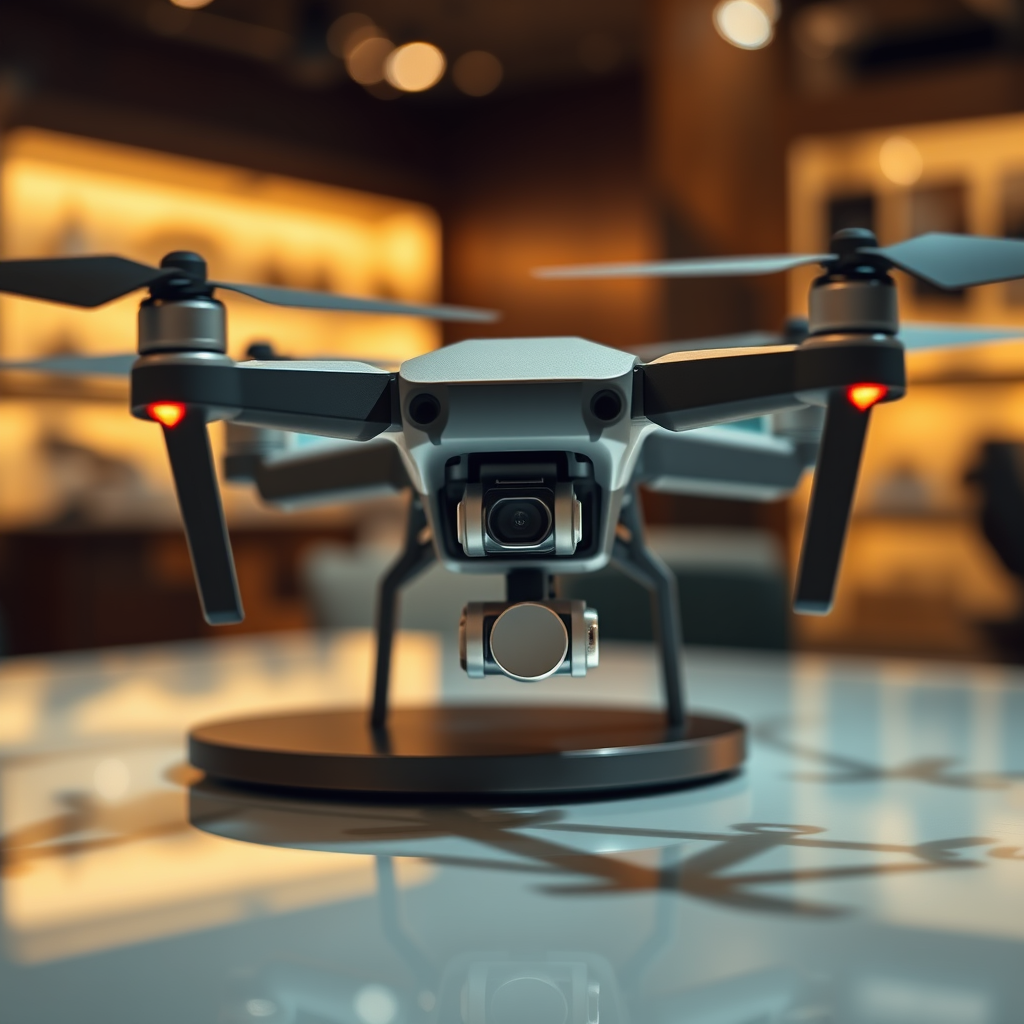
DJI drones are highly sophisticated unmanned aerial vehicles (UAVs) that excel in aerial photography, videography, and a multitude of commercial applications. Renowned for their innovative technology, reliability, and user-friendly interfaces, DJI drones have gained immense popularity among both hobbyists and industry professionals. This article delves into the features, types, and benefits of DJI drones, illustrating how they have transformed aerial imaging and various sectors.
Overview of DJI Drones
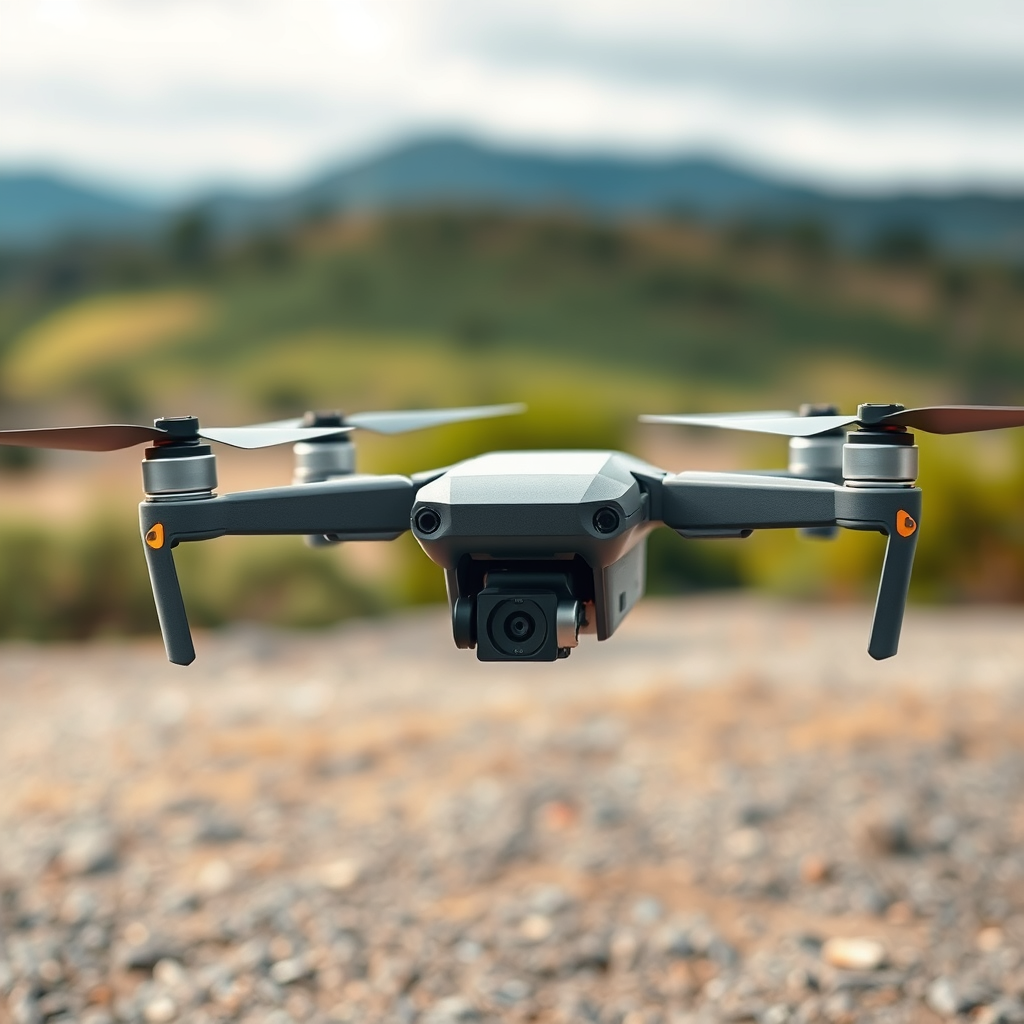
DJI, short for Da-Jiang Innovations, is a pioneering manufacturer of drones, established in 2006 in Shenzhen, China. The company has rapidly positioned itself as a leader in the drone industry, largely due to its commitment to advancing drone technology. DJI drones are equipped with cutting-edge features such as GPS for precise navigation, obstacle avoidance systems to prevent collisions, and high-resolution cameras that significantly enhance aerial imaging capabilities. These advancements not only improve the user experience but also expand the practical applications of drones in various fields, including filmmaking, agriculture, and emergency response.
Types of DJI Drones
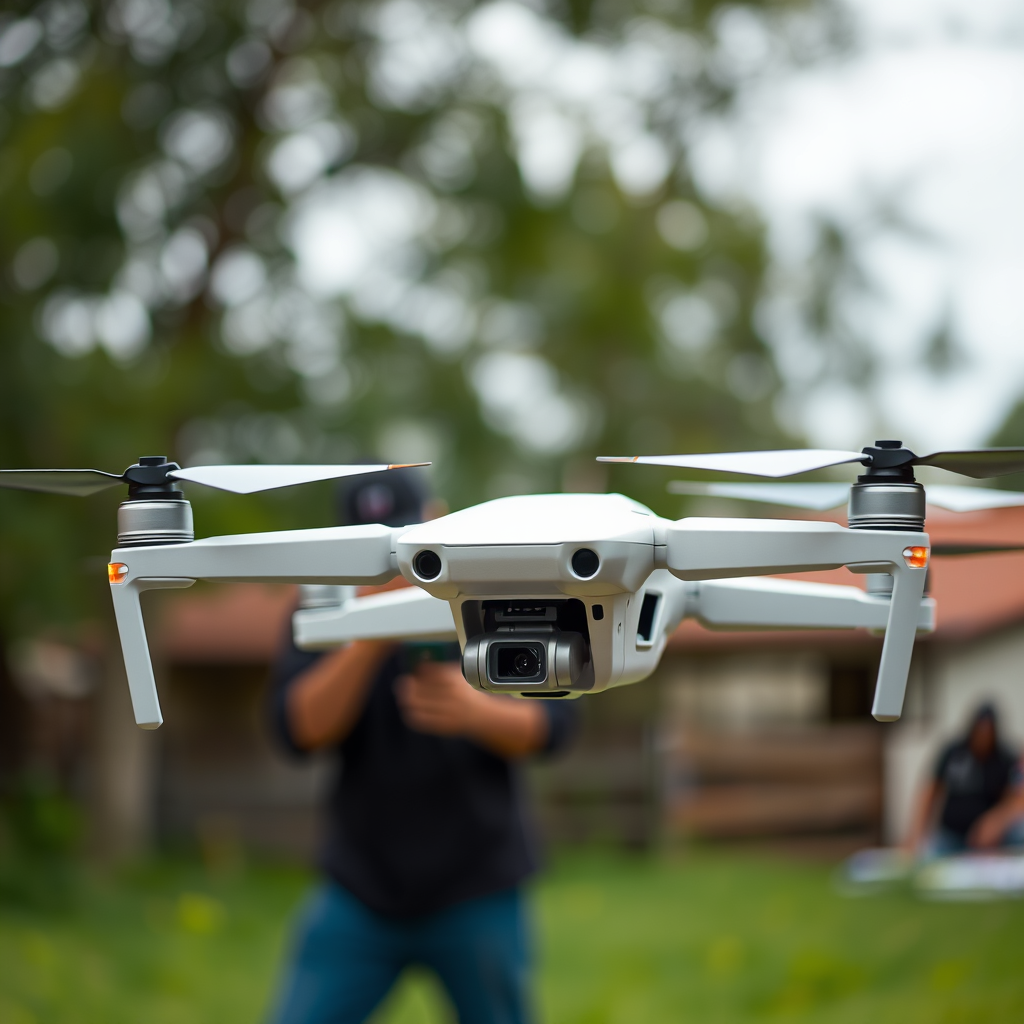
DJI offers a diverse range of drones tailored to meet the needs of different users.
– Consumer Drones: Designed primarily for hobbyists and casual users, these drones are typically compact, lightweight, and easy to operate. An excellent example is the DJI Mini series, which boasts impressive features like 4K video capabilities and a robust design, making it accessible for beginners while still meeting the needs of more experienced drone enthusiasts.
– Professional Drones: Targeted at filmmakers, photographers, and industry professionals, these drones are equipped with advanced features that enable high-quality aerial imaging and complex operational capabilities. The DJI Inspire and Matrice series are notable examples, offering customizable payloads, superior stabilization, and advanced flight modes that allow for cinematic shots and precise data collection.
Key Features of DJI Drones
DJI drones stand out in the market due to their impressive array of features designed to enhance both usability and performance.
– High-Quality Cameras: Many DJI drones come with 4K video capability, delivering stunning visual quality that meets the standards of professional filmmakers. The inclusion of stabilizing gimbals ensures smooth footage, even in challenging flight conditions. For instance, the DJI Mavic Air 2 features a 1/2-inch sensor that captures 48MP photos and 4K video at 60 frames per second, making it ideal for capturing dynamic scenes.
– Intelligent Flight Modes: DJI drones are equipped with various intelligent flight modes that facilitate automated operations and creative possibilities. For instance, the ActiveTrack mode allows the drone to autonomously follow a subject, making it a favorite among videographers capturing action sports or dynamic events. Meanwhile, the Waypoints feature enables users to pre-set flight paths, ensuring consistent results in aerial mapping or surveying applications.
Benefits of Using DJI Drones
The advantages of integrating DJI drones into personal or professional projects are manifold.
– Versatile Applications: DJI drones serve a wide variety of purposes, from stunning aerial photography to surveying land, mapping terrains, and monitoring agricultural crops. For example, farmers utilize DJI’s agricultural drones for crop monitoring and management, allowing for efficient resource allocation and improved yields.
– User-Friendly: One of the standout features of DJI drones is their intuitive design, which includes user-friendly controls and smart features. Beginners can easily learn to fly with the help of the DJI Fly app, which offers tutorials and flight simulations. This accessibility has democratized drone technology, allowing a broader audience to explore aerial imaging.
Safety and Regulations
As drone technology continues to evolve, so do the regulations governing their use.
– Understanding Local Laws: It is crucial for drone operators to familiarize themselves with the regulations in their area, as laws regarding drone flight can vary significantly between regions. In the United States, for example, the Federal Aviation Administration (FAA) has established specific guidelines that govern recreational and commercial drone operations.
– Safety Features: DJI drones often come equipped with safety features such as geofencing, which restricts flight in sensitive areas, and return-to-home functions that automatically bring the drone back to its launch point in case of signal loss or low battery. These features enhance safety for both the operator and the environment, reducing the risk of accidents during flights.
Common Uses for DJI Drones
The applications for DJI drones are extensive, spanning across various industries.
– Aerial Photography and Videography: DJI drones are widely used in the photography and videography industry, allowing professionals to capture breathtaking landscapes and events from unique perspectives. The versatility of these drones makes them suitable for everything from weddings to real estate promotions.
– Industrial Applications: Beyond creative uses, DJI drones play a pivotal role in industrial applications. They are increasingly utilized for inspections of infrastructure such as bridges and power lines, surveying land for construction projects, and monitoring environmental changes. The DJI Matrice 300 RTK, for example, is designed for commercial use, equipped with advanced sensors to gather critical data in diverse environments.
Getting Started with DJI Drones
For those interested in entering the world of drones, selecting the right model and learning to fly are essential steps.
– Choosing the Right Model: When selecting a DJI drone, consider your specific needs, budget, and skill level. Beginners may find the DJI Mini 2 an excellent starting point due to its affordability and ease of use, while professionals might opt for the DJI Mavic 3 for its advanced features and superior image quality.
– Learning to Fly: To ensure a safe and enjoyable flying experience, aspiring drone pilots should take advantage of online tutorials and simulator programs. These resources provide valuable insights into flight mechanics, safety protocols, and best practices for operating drones effectively.
In summary, DJI drones represent a significant advancement in drone technology, providing users with powerful tools for capturing stunning images and carrying out critical tasks across various industries. By understanding their features, types, and applications, you can make informed decisions about how to incorporate DJI drones into your personal or professional life. As you explore different models, you will discover the exciting possibilities that aerial technology has to offer.
Frequently Asked Questions
What is a DJI drone and what makes it popular?
A DJI drone is an unmanned aerial vehicle (UAV) produced by DJI, a leading manufacturer in the drone industry. Known for their advanced technology, user-friendly interfaces, and high-quality cameras, DJI drones are popular among both hobbyists and professionals for aerial photography, videography, and recreational flying. The brand’s commitment to innovation and reliability has garnered a large user base, making DJI a household name in drone technology.
How do I choose the best DJI drone for my needs?
Choosing the best DJI drone depends on your specific requirements, such as your budget, intended use, and experience level. For beginners, models like the DJI Mini SE offer simplicity and portability, while more advanced users may prefer the DJI Mavic Air 2 for its superior camera capabilities and flight features. Consider factors such as flight time, camera resolution, and range to find a drone that suits your needs, and don’t forget to review local regulations regarding drone use.
Why are DJI drones considered the best for aerial photography?
DJI drones are widely regarded as the best for aerial photography due to their cutting-edge camera technology, including high-resolution sensors and gimbal stabilization systems. This allows users to capture stunning, shake-free images and videos from the sky. Additionally, features like intelligent shooting modes, obstacle avoidance, and customizable settings enhance the creative possibilities for photographers, making DJI a top choice for visual content creators.
Which DJI drone models are the most beginner-friendly?
Some of the most beginner-friendly DJI drone models include the DJI Mini SE and DJI Mavic Mini 2. These drones are lightweight, easy to operate, and come equipped with user-friendly features such as GPS-assisted flight and automated takeoff and landing. Their compact size and affordability make them ideal for newcomers to drone flying, providing a smooth introduction to the world of aerial photography and videography without overwhelming complexity.
How can I maintain and care for my DJI drone?
Proper maintenance and care of your DJI drone are essential for ensuring optimal performance and longevity. Regularly check for firmware updates through the DJI Fly app, as these can enhance functionality and fix bugs. Always inspect your drone for any physical damage, clean the camera lens and sensors, and ensure the battery is charged and stored correctly. Additionally, familiarize yourself with best flying practices and local regulations to avoid accidents and extend the life of your drone.
References
- DJI
- https://www.bbc.com/news/technology-42052976
- https://www.nytimes.com/2020/01/03/technology/drones.html
- Getting Started | Federal Aviation Administration
- https://www.techcrunch.com/2021/06/23/dji-drone-guide/
- https://www.nationalgeographic.com/science/article/drone-technology-explained
- https://www.nasdaq.com/articles/dji-drone-what-you-need-to-know-2021-08-14
- https://www.cnet.com/tech/mobile/what-is-a-drone-and-how-do-they-work/
