
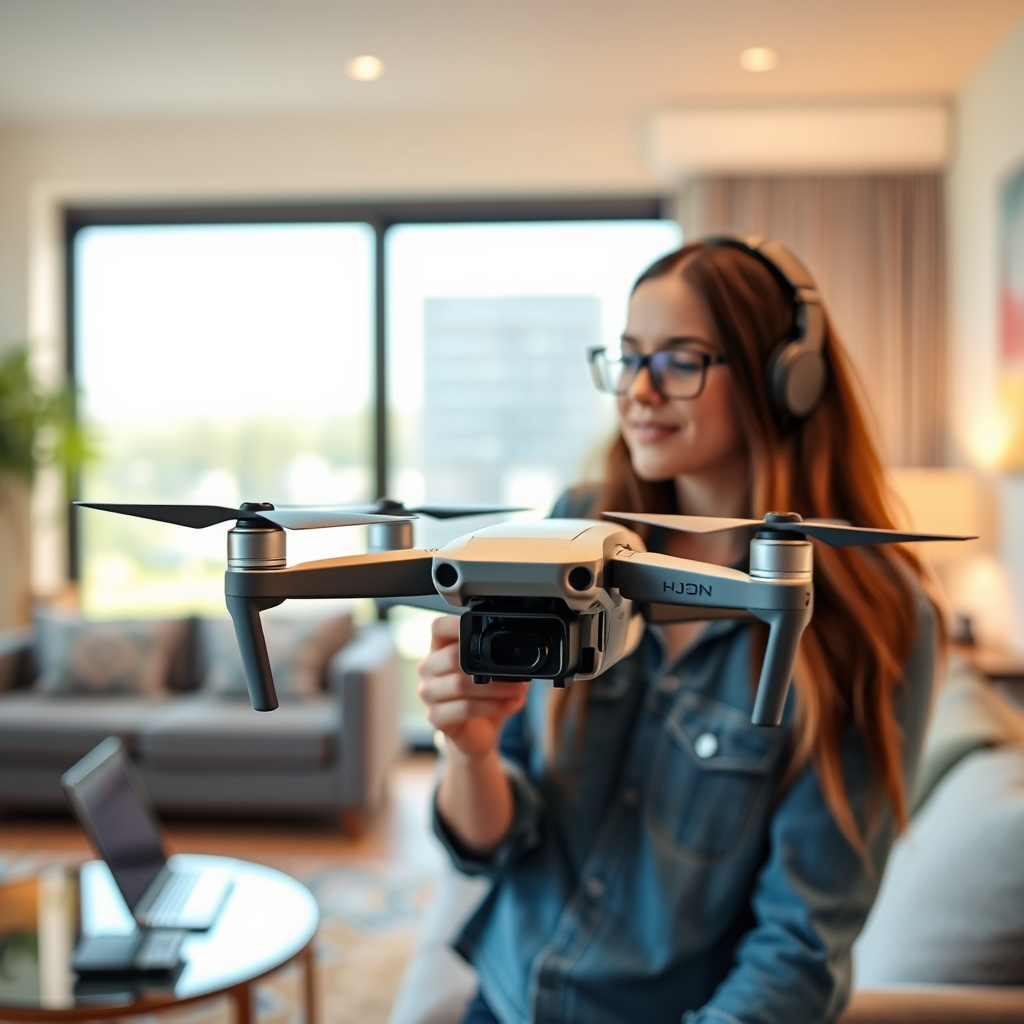
Flying a DJI drone can indeed be legal, but it heavily depends on your location and the regulations that govern drone usage in that area. To navigate the complexities of drone flight, it’s crucial to understand federal laws, state regulations, and specific local rules that may apply. This knowledge ensures not only compliance with legal requirements but also promotes safety and respect for privacy in your flying endeavors.
Understanding FAA Regulations
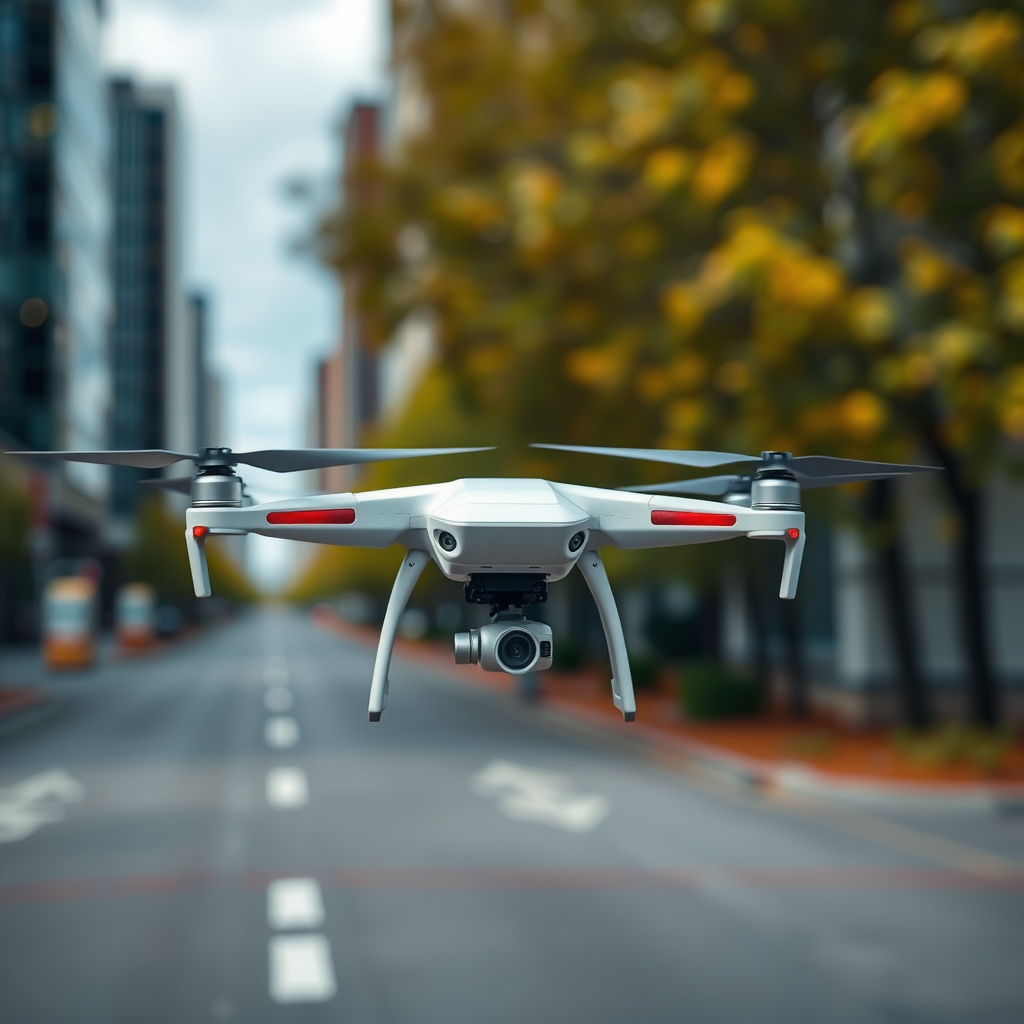
The Federal Aviation Administration (FAA) plays a pivotal role in regulating drone usage across the United States. Under FAA guidelines, all drone operators must adhere to specific rules to ensure safe flying. For recreational flyers, the FAA mandates compliance with Part 107 rules, which include registering your drone if it weighs over 0.55 pounds. This registration process is straightforward and can be completed online, allowing operators to receive a unique identification number that must be displayed on the drone.
Moreover, Part 107 regulations also outline critical operational restrictions, such as flying below 400 feet, maintaining visual line-of-sight with the drone, and avoiding flying over people and moving vehicles. Commercial drone operators must pass the FAA’s Remote Pilot Certificate exam to legally operate drones for business purposes. Understanding these regulations is essential for anyone considering flying a DJI drone, as failure to comply can result in fines and other legal repercussions.
State and Local Laws
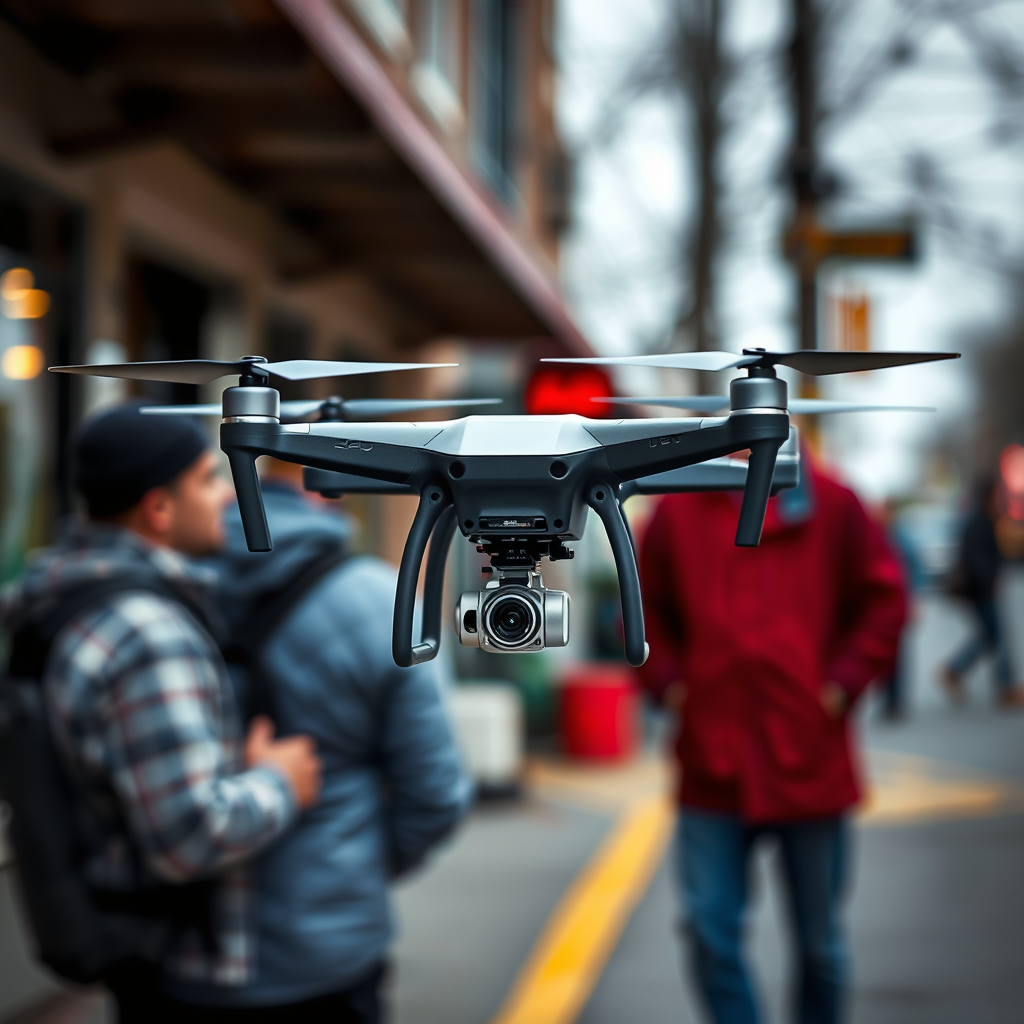
In addition to federal regulations, each state has the authority to establish its own laws regarding drone usage. These state laws can vary significantly, influencing where and how you can fly your DJI drone. For instance, some states have enacted laws that restrict drone flights over private properties or mandate that drone operators obtain permission before flying in specific areas, such as near schools or public events.
Local municipalities also often impose additional rules that can affect drone use, particularly in urban areas or near parks and recreational facilities. For example, cities like New York and Los Angeles have specific restrictions on drone flights in public parks, where permission from local authorities may be required. It’s essential for drone operators to research and understand both state and local regulations to ensure compliance and avoid potential legal issues.
No-Fly Zones and Restrictions
Certain areas are designated as no-fly zones, meaning that drone operators are strictly prohibited from flying within these regions. Common no-fly zones include areas surrounding airports, military bases, and national parks. The FAA provides a comprehensive list of these zones, and operators should be acutely aware of them to avoid unintentional violations that could lead to severe penalties.
Moreover, temporary flight restrictions (TFRs) can be enacted for various reasons, including special events or emergencies, which can affect where you can legally fly. To stay informed, drone pilots should utilize apps and tools such as the FAA’s B4UFLY app, which provides real-time information on airspace restrictions and TFRs. By checking this information before each flight, you can ensure compliance and promote safer flying practices.
Insurance and Liability Concerns
While drone insurance is not legally required, it can provide significant financial protection in the event of accidents or damage caused during flight. Accidents can happen, and having liability insurance can safeguard you against potential lawsuits or claims resulting from property damage or personal injury. Some insurance policies also cover theft or damage to the drone itself, which can be an invaluable resource for operators.
Understanding your liability limits is crucial as well. If a drone accident results in damage to a third party’s property or harm to individuals, you may be held responsible. Therefore, investing in drone insurance can be a wise decision, particularly for commercial operators who face higher risks and potential liabilities due to their business activities.
Best Practices for Legal Drone Flight
To ensure a legal and enjoyable drone flying experience, it’s imperative to adhere to best practices. First and foremost, always check local regulations before flying. This includes verifying whether you need to obtain any permits or permissions to operate in specific areas. Resources such as the FAA’s website or local government offices can provide valuable information on legal requirements.
Furthermore, be mindful of privacy laws. Respecting the privacy of others is not only ethical but also a legal requirement in many jurisdictions. Avoid flying over private property without explicit permission, and be cautious about capturing images or videos that may infringe on an individual’s right to privacy. By following these best practices, you can enjoy flying your DJI drone while minimizing the risk of legal complications.
Resources for Drone Pilots
Staying up-to-date with regulations and best practices is vital for any drone operator. The FAA website is an excellent resource for the latest guidelines on drone operation, registration, and safety tips. Additionally, many states and localities have their own websites that provide specific information on laws and regulations.
Joining local drone clubs or online forums can also be beneficial. These communities often share valuable insights about regional regulations, flying tips, and experiences that can help you navigate the complexities of drone operation. Networking with other drone enthusiasts can provide support and up-to-date information on legal matters affecting drone pilots.
Flying a DJI drone can be a thrilling experience, but it’s essential to know and follow the laws governing its use. By understanding FAA regulations, state laws, and local restrictions, you can ensure a safe and legal flight experience. Always stay informed and check resources frequently to avoid any legal issues while enjoying your drone. This proactive approach not only enhances your flying experience but also demonstrates your commitment to responsible drone operation.
Frequently Asked Questions
What are the legal requirements for flying a DJI drone in the United States?
To legally fly a DJI drone in the United States, you must adhere to the Federal Aviation Administration (FAA) regulations. This includes registering your drone if it weighs more than 0.55 pounds, following the rules of recreational or commercial use, and flying below 400 feet in uncontrolled airspace. Additionally, it’s essential to keep your drone within visual line of sight and avoid flying over people or moving vehicles unless you have obtained the necessary waivers.
How do I find out if I can fly my DJI drone in a specific location?
To determine if you can legally fly your DJI drone in a specific location, you should check the FAA’s B4UFLY app, which provides real-time information on airspace restrictions and nearby airports. Additionally, consult local laws and regulations, as some areas may have specific rules regarding drone usage, such as parks, schools, or private properties. Always seek permission from property owners if you’re planning to fly on private land.
Why is it important to understand drone laws before flying my DJI drone?
Understanding drone laws is crucial before flying your DJI drone to ensure safety and compliance with regulations. Violating these laws can result in fines, legal repercussions, or even the confiscation of your drone. Moreover, knowledge of the regulations helps you avoid flying in restricted areas, such as near airports or emergency response sites, thereby minimizing risks to yourself and others.
What is the best way to stay updated on DJI drone regulations?
The best way to stay updated on DJI drone regulations is to regularly check the Federal Aviation Administration (FAA) website and subscribe to their newsletters. Additionally, following drone advocacy groups and forums can provide valuable insights and updates on local laws and emerging regulations. Utilizing resources like the DJI Fly app can also help ensure you’re aware of any temporary flight restrictions in your area.
Which DJI drones are subject to different regulations based on their weight?
All DJI drones that weigh more than 0.55 pounds (250 grams) must be registered with the FAA before flying. This includes popular models like the DJI Mavic Air 2, DJI Phantom 4, and DJI Inspire series. Conversely, drones weighing less than 0.55 pounds, such as the DJI Mini SE, are exempt from registration but must still comply with airspace and operational regulations. Understanding these distinctions is vital for responsible drone operation.
References
- https://en.wikipedia.org/wiki/Drone_regulations
- Getting Started | Federal Aviation Administration
- Unmanned Aircraft Systems (UAS) | Federal Aviation Administration
- https://www.nasa.gov/mission_pages/UAS/index.html
- Home – Know Before You Fly
- https://www.nerc.com/pa/Standards/Pages/Drone-Usage.aspx
- 404 Error – AOPA
