
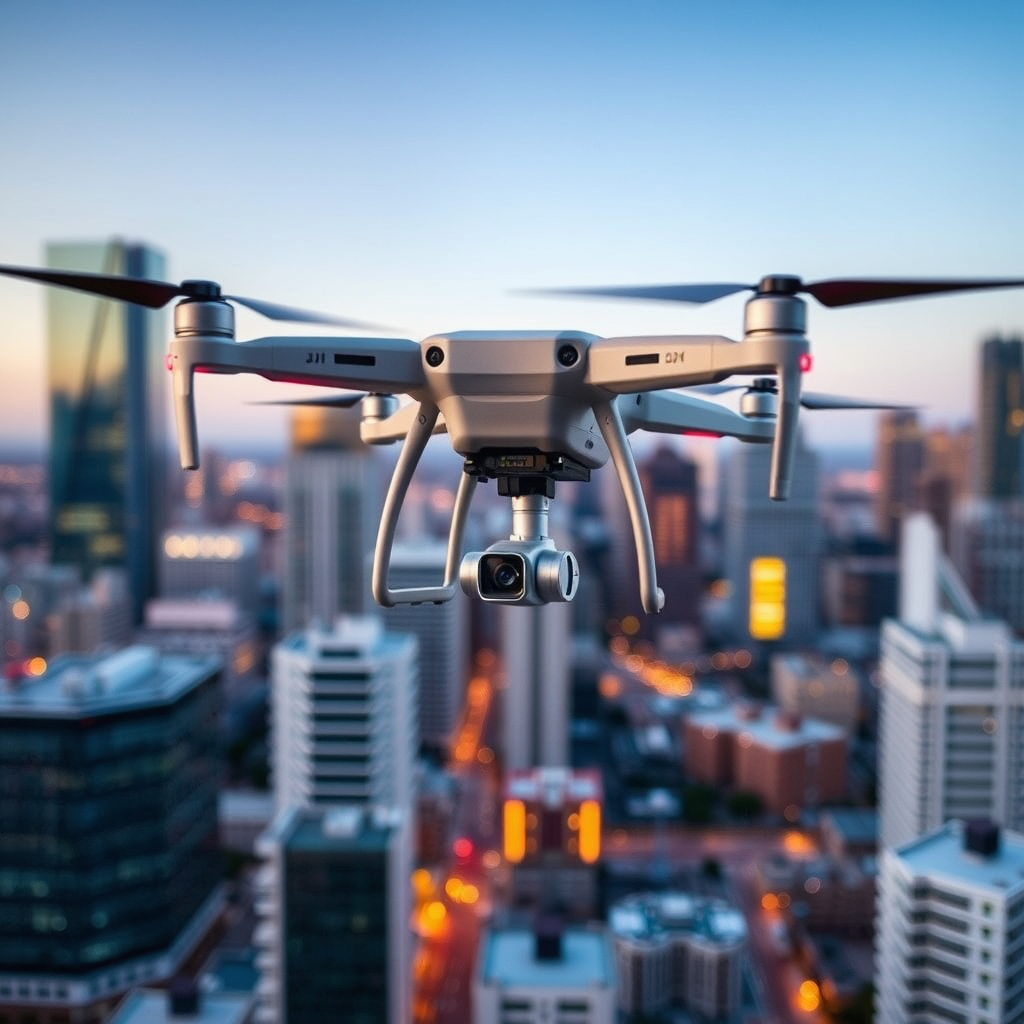
Flying DJI drones in the U.S. is permitted, but it comes with specific regulations and guidelines that you must follow. Understanding these rules is crucial for legal and safe operation, whether you are a hobbyist or a commercial pilot. This article will outline the essential rules and considerations for flying your DJI drone legally and safely in the United States.
Understanding FAA Regulations
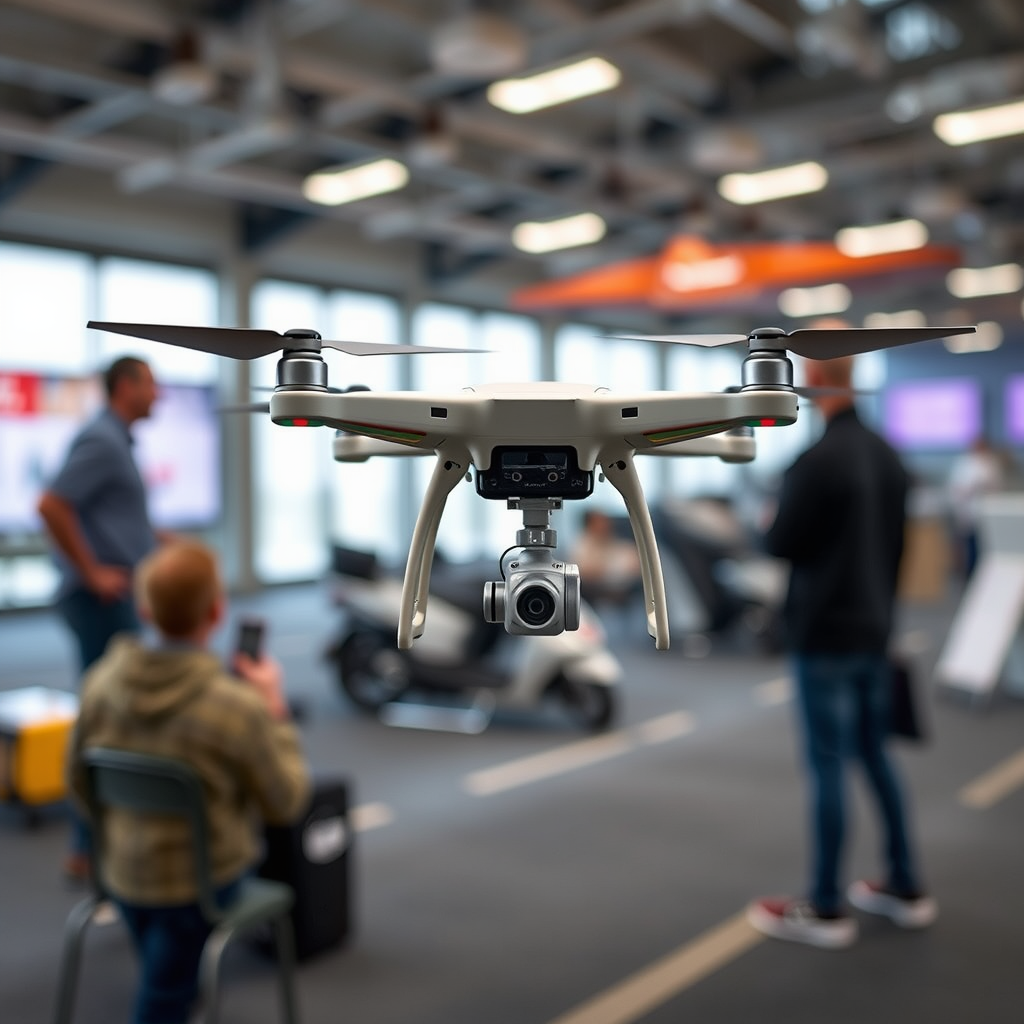
The Federal Aviation Administration (FAA) is the governing body that regulates all drone flights in U.S. airspace. The FAA’s regulations are primarily designed to ensure safety in the increasingly crowded skies, which can include everything from commercial airliners to personal drones. If you plan to fly a DJI drone for commercial purposes, you must adhere to Part 107 of the FAA regulations. This includes specific guidelines on operational limits, airspace classification, and the necessary certifications that drone operators must possess.
For instance, under Part 107, operators are required to maintain visual line of sight with their drone at all times, not exceed altitudes of 400 feet above ground level, and refrain from flying over people or moving vehicles. Additionally, commercial operators must ensure that their drone is equipped with appropriate safety features, such as anti-collision lights and fail-safe mechanisms.
Registering Your Drone
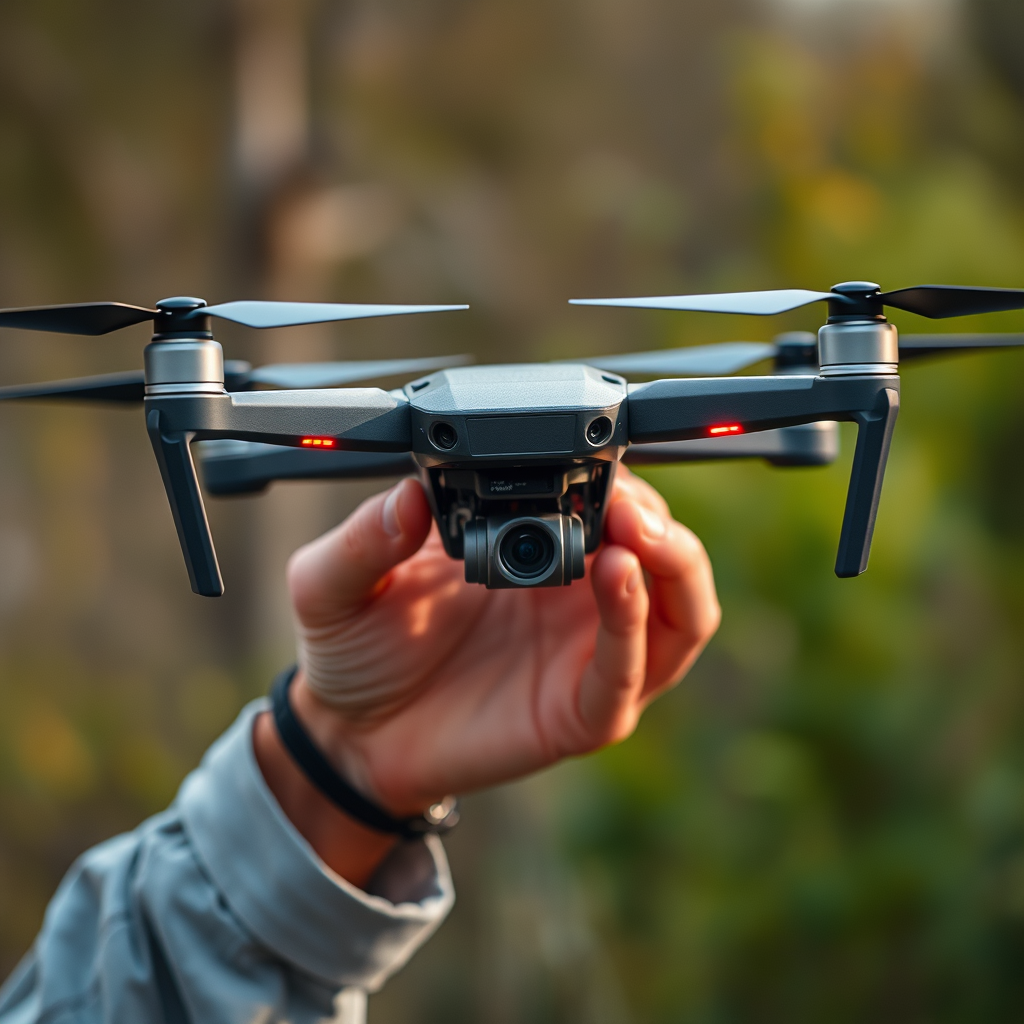
Before taking to the skies, it’s imperative to register your DJI drone with the FAA if it weighs over 0.55 pounds (250 grams). Registration is a straightforward process, which can be completed online and costs just $5. The registration is valid for three years, after which you must renew it. This step not only helps maintain accountability among drone users but also aids in the recovery of lost or stolen drones.
When registering your drone, be prepared to provide basic information such as your name, address, and email. After successful registration, you will receive a unique registration number that must be marked on your drone. This practice is essential for compliance and can help in case of any incidents or inquiries related to your flying activities.
Flying as a Hobbyist vs. Commercial Use
The distinction between hobbyist and commercial drone operations is vital for compliance with FAA regulations. Hobbyists can fly under the Special Rule for Model Aircraft, which is outlined in Section 336 of the FAA regulations. This allows recreational users to operate their drones without needing a Remote Pilot Certificate, provided they fly within specific guidelines. For example, hobbyists must fly their drones for recreational purposes only, maintain visual line of sight, and avoid flying near airports or populated areas.
In contrast, individuals intending to use drones for commercial purposes must obtain a Remote Pilot Certificate. This involves passing an FAA-approved aeronautical knowledge test that covers various topics, including regulations, airspace classification, weather, and drone operation. Holding this certification not only legitimizes your commercial flying activities but also ensures that you are equipped with the necessary knowledge to operate safely and legally.
Airspace Classifications
Understanding U.S. airspace classifications is critical for any drone operator. The airspace is divided into several classes (A, B, C, D, E, and G), with each class having its own set of operating rules and requirements. For example, Class B airspace surrounds major airports and has strict regulations, requiring specific permissions to fly. Conversely, Class G airspace is uncontrolled and generally allows for more flexibility in flying.
Before flying, it is advisable to use apps or tools designed for drone operators, such as the FAA’s B4UFLY app or other mapping tools that indicate airspace status and no-fly zones. These resources can help you plan your flight more effectively and avoid inadvertently entering restricted areas. Understanding these classifications will not only keep you compliant with regulations but also ensure the safety of your drone operations.
Safety Guidelines and Best Practices
Safety should always be a priority when flying your DJI drone. The first rule is to maintain a visual line of sight with your drone at all times. This practice is crucial for avoiding obstacles and ensuring that you can react quickly to any potential hazards. Additionally, it is advisable to avoid flying near airports, populated areas, and sensitive locations such as military bases, as these places often have stricter regulations and may pose risks to public safety.
Another key aspect of drone safety is conducting a pre-flight check of your equipment. Ensure that your drone’s batteries are fully charged, propellers are in good condition, and that there are no visible damages. Furthermore, consider the weather conditions, as high winds or rain can significantly affect drone flight stability and safety. By adhering to these safety guidelines and best practices, you can minimize risks and enhance your flying experience.
Local and State Regulations
In addition to federal regulations, it’s essential to be aware that some states and municipalities have enacted their own drone regulations. These local laws can vary significantly and may include restrictions on where you can fly, operational hours, and additional registration requirements. Before flying in a new area, always check local laws to ensure compliance and avoid potential fines or penalties.
For instance, some cities may prohibit drone flights in public parks or near crowded events, while others may have specific zones designated as no-fly areas. Engaging with local drone communities or forums can provide valuable insights into regional regulations and best practices, helping you to stay informed and compliant.
Recreational Flying Tips
For those flying drones recreationally, joining a local drone club can be an excellent way to gain support and guidance. Many clubs hold regular meetings, events, and workshops that provide opportunities to learn about drone technology and flying techniques. Additionally, these communities often share updates on local regulations and safety tips, making them a valuable resource for both novice and experienced pilots.
Staying updated with the latest FAA rules and advancements in drone technology is also crucial. The drone industry is rapidly evolving, and regulations may change to accommodate new technologies and safety concerns. Subscribing to newsletters, following industry blogs, and engaging in online forums can keep you informed about the latest trends and regulations.
Flying DJI drones in the U.S. is achievable as long as you adhere to the FAA regulations and local laws. Understanding these rules and staying informed will ensure not only your safety but also the safety of others. Start by registering your drone and familiarizing yourself with the airspace requirements, and you’ll be ready to fly! By embracing responsible flying practices and engaging with the drone community, you can enjoy the many benefits that drone flying offers while remaining compliant and safe.
Frequently Asked Questions
What are the legal requirements for flying DJI drones in the US?
To legally fly DJI drones in the US, operators must adhere to regulations set forth by the Federal Aviation Administration (FAA). This includes registering drones that weigh more than 0.55 pounds, obtaining a Remote Pilot Certificate for commercial operations, and following the Part 107 guidelines, which cover airspace restrictions, flight altitude, and operational limits. Additionally, drone operators should be aware of local laws that may impose further restrictions.
How can I obtain permission to fly my DJI drone in controlled airspace?
To fly your DJI drone in controlled airspace, you must obtain authorization through the FAA’s LAANC (Low Altitude Authorization and Notification Capability) system. This online tool allows drone pilots to request and receive automatic approval for flights in specific controlled airspace, such as near airports. Additionally, you can apply for a Section 107 waiver if you need to operate in airspace that LAANC does not cover.
Why is it important to follow drone regulations when flying DJI drones in the US?
Following drone regulations is crucial for ensuring the safety of both air traffic and people on the ground. By adhering to the FAA’s guidelines, you reduce the risk of accidents, avoid potential fines, and contribute to the responsible use of airspace. Non-compliance can lead to severe consequences, including loss of flying privileges, legal action, and damage to your reputation as a drone operator.
What are the best practices for flying DJI drones safely in the US?
To fly DJI drones safely in the US, adhere to best practices such as conducting a pre-flight checklist to ensure your drone is in good working condition, maintaining a visual line of sight with your drone, and avoiding flying near people or crowded areas. Always check the weather conditions before a flight and remain aware of temporary flight restrictions (TFRs). Finally, use the built-in safety features of your DJI drone, such as geofencing and obstacle avoidance, to enhance safety.
Which DJI drones are best suited for beginners flying in the US?
For beginners, the DJI Mini SE and DJI Mini 2 are excellent choices for flying in the US, thanks to their lightweight design, user-friendly controls, and robust safety features. Both models weigh under 0.55 pounds, thus simplifying registration requirements. Additionally, they offer impressive flight times and camera capabilities, making them ideal for novice pilots looking to start their drone flying experience.
References
- https://www.faa.gov/uas/getting_started/part_107
- Getting Started | Federal Aviation Administration
- https://www.nasa.gov/feature/nasa-drones-and-the-future-of-aviation
- https://www.ncbi.nlm.nih.gov/pmc/articles/PMC7063197/
- https://www.wired.com/story/what-to-know-about-flying-drones/
- https://www.bbc.com/news/technology-57757468
- https://www.droneanalyst.com/drone-laws-and-regulations-in-the-us/
- https://www.usatoday.com/story/tech/2021/12/04/drones-us-regulations/6300782001/
