
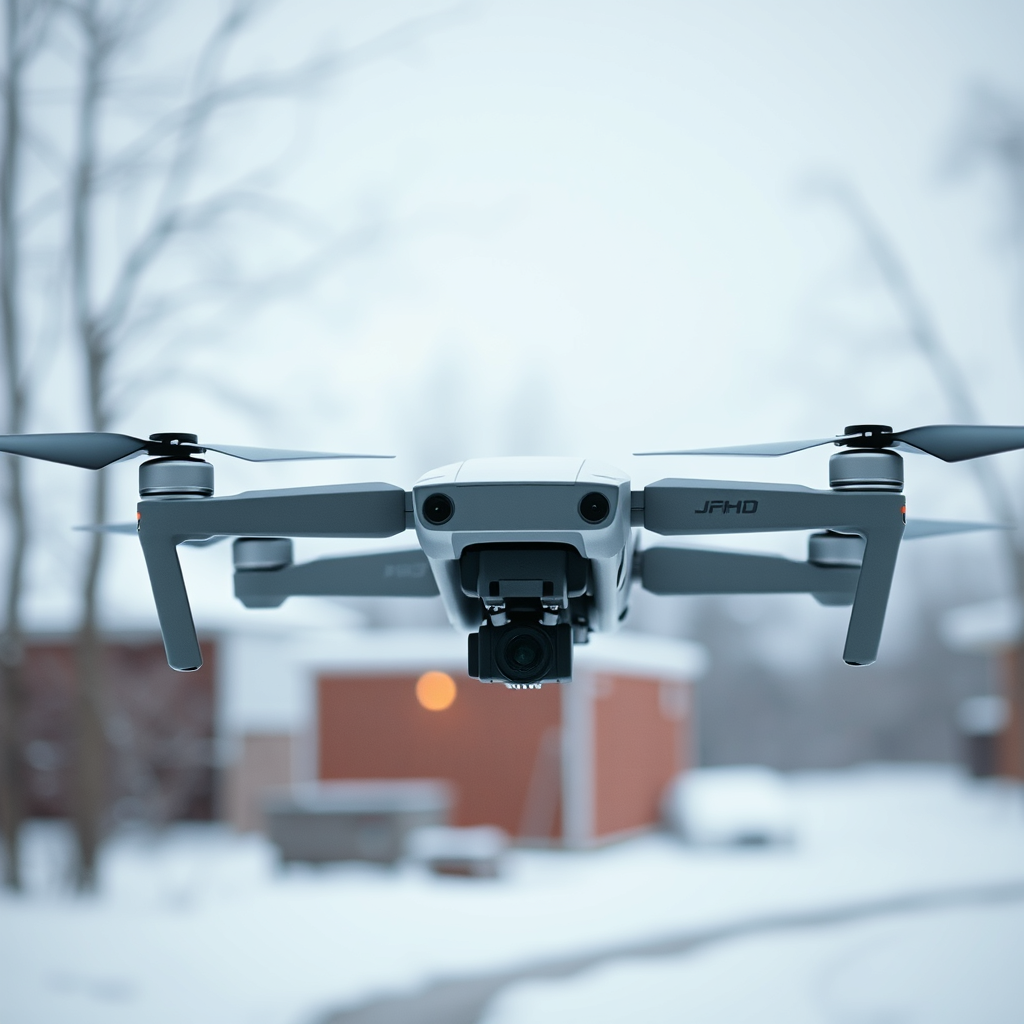
Flying your DJI drone in freezing temperatures is indeed possible, but it requires careful consideration of various factors that can impact performance and safety. Cold weather can significantly affect battery life, sensor functionality, and overall flight stability. In this article, we will delve into the specific effects of cold weather on drone performance, recommend suitable DJI models for winter flying, outline preparation techniques, discuss essential safety precautions, and highlight best practices for capturing stunning footage in low temperatures.
Understanding Cold Weather Effects on Drones
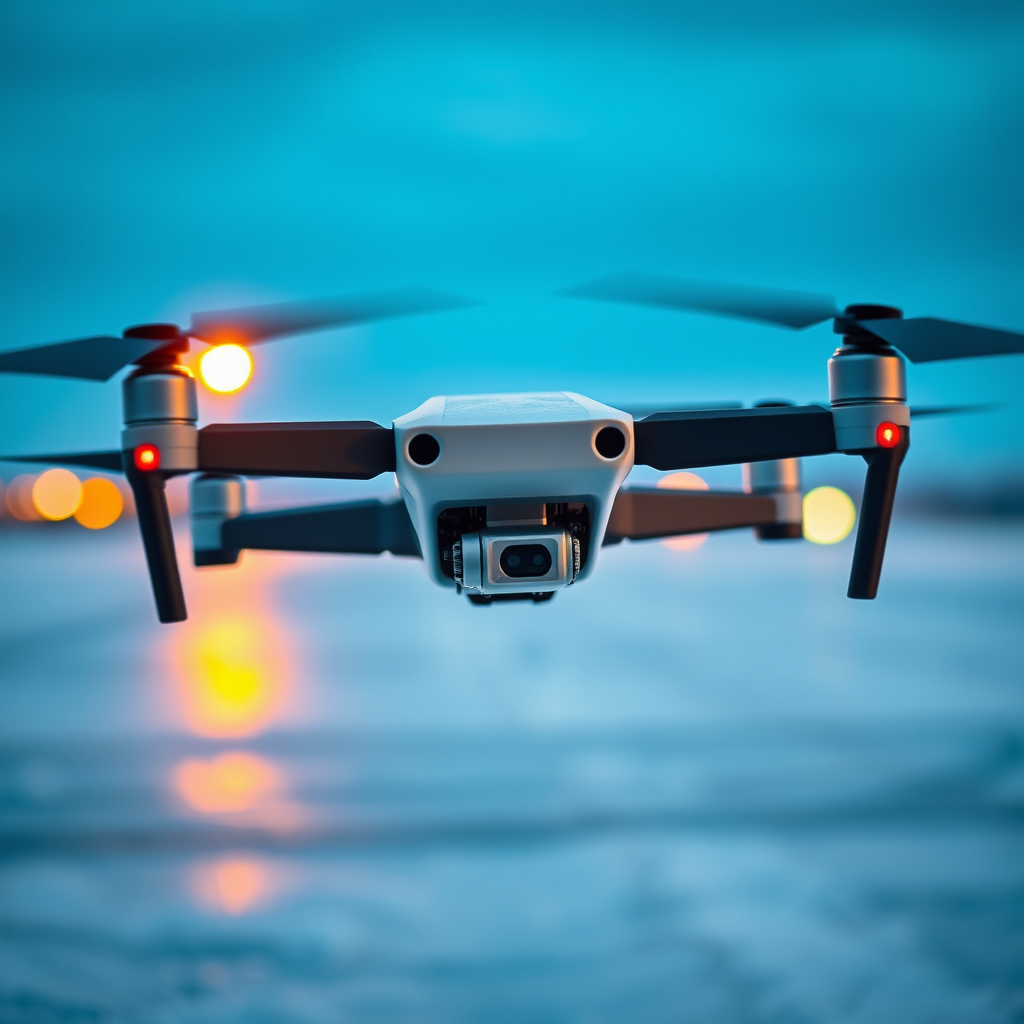
When temperatures drop, the performance of lithium batteries, which power most DJI drones, is notably affected. Lithium batteries lose a significant portion of their capacity when exposed to cold conditions, which can lead to reduced flight time and diminished overall performance. For instance, a battery that typically offers 25 minutes of flight time in moderate temperatures may only provide 15 to 20 minutes in freezing conditions. This reduction not only impacts how long you can fly but also the drone’s responsiveness, as the battery may struggle to deliver power efficiently.
Moreover, cold weather can impair the drone’s sensors and GPS functionality. For example, GPS signals can become less reliable, leading to potential navigation issues during flight. This can be particularly concerning in challenging environments, where maintaining precise control is critical. Additionally, cold temperatures can cause physical components to contract, affecting the drone’s overall stability and maneuverability. To ensure a successful flight, it is essential to understand these effects and plan accordingly.
Recommended DJI Drone Models for Cold Weather
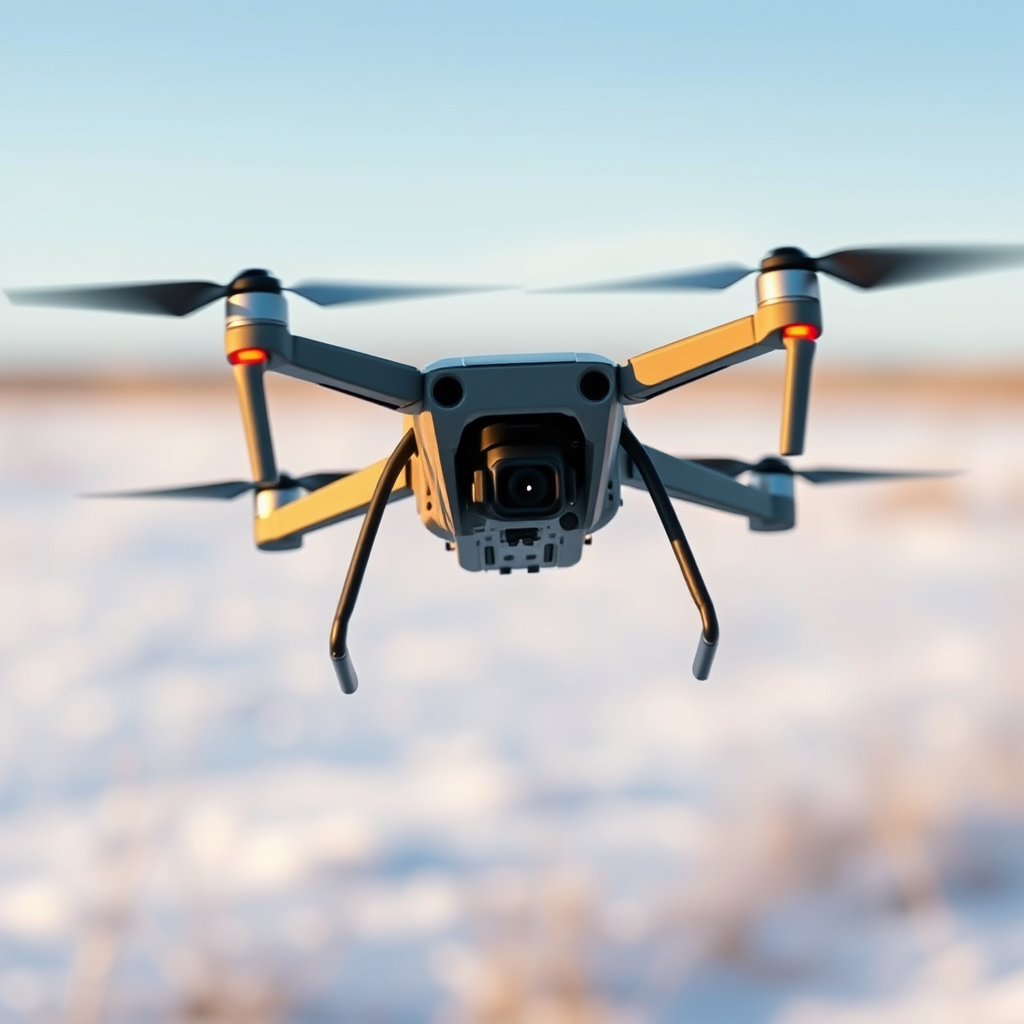
While many DJI drones can operate in colder conditions, some models are specifically designed to withstand extreme temperatures and offer better performance. The Mavic series, particularly the Mavic Air 2 and Mavic 3, are equipped with advanced battery technology that provides greater resilience in low temperatures. These models boast intelligent battery management systems that help optimize performance, ensuring longer flight times even in freezing conditions.
Additionally, the DJI Matrice series, commonly used in professional settings, is built to endure harsh environments. With their rugged construction and high-capacity batteries, these drones can perform well in temperatures below freezing. It’s crucial to check the manufacturer’s guidelines for each specific model to understand its limitations and capabilities in extreme weather, as some drones may require additional modifications to operate safely in cold climates.
Preparing Your Drone for Freezing Conditions
Preparation is key to a successful cold-weather flight. One of the most effective ways to ensure optimal battery performance is to keep your batteries warm before and during flight. Storing batteries inside insulated cases or even your clothing can help maintain their temperature, ensuring they provide reliable power when you need it most.
Before takeoff, it is also essential to check all components of the drone for any ice or snow buildup. Ice on propellers can lead to imbalanced flight, while snow accumulation on motors can impede functionality. Utilizing a microfiber cloth to wipe down surfaces and ensure that everything is clean and dry will go a long way in ensuring your drone operates smoothly.
Safety Precautions While Flying in Cold Weather
When flying your DJI drone in freezing conditions, safety should always be a top priority. One of the most critical precautions is to monitor battery levels closely. As mentioned earlier, batteries deplete faster in cold weather, so it is advisable to keep an eye on the remaining power and avoid flying beyond the limits. Setting a conservative return-to-home (RTH) altitude and distance can also help prevent losing your drone in low visibility conditions often associated with winter weather.
Furthermore, it’s crucial to avoid flying in windy conditions. Cold air can create unpredictable gusts, increasing the risk of losing control of the drone. Be aware of the weather forecast and choose a day with minimal wind to enhance your flying experience. Always be prepared to land your drone early if conditions worsen, prioritizing safety over capturing footage.
Best Practices for Capturing Footage in Cold Weather
Capturing stunning aerial footage in cold weather can be challenging but rewarding. One effective strategy is to use neutral density (ND) filters, which can help manage light exposure, particularly when shooting over reflective surfaces like snow. ND filters reduce the amount of light entering the camera, allowing for longer shutter speeds and smoother video, which is particularly useful in bright winter conditions.
Additionally, planning your shots strategically can help minimize battery usage and ensure you have enough power for a safe return. Instead of flying long distances for a single shot, consider using multiple shorter flights to capture various angles and scenes. This approach not only conserves battery life but also enables you to adapt to changing weather conditions more effectively.
Post-Flight Care for Drones Used in Cold Weather
After a flight in freezing temperatures, it is essential to care for your drone properly to ensure its longevity and performance. Allowing your drone to warm up slowly to room temperature is crucial to prevent condensation from forming inside the electronic components. Rapid temperature changes can lead to moisture buildup, which can damage sensitive parts.
Moreover, it is important to conduct a thorough inspection and cleaning of the drone after each flight. Remove any ice or snow buildup from the propellers, body, and motors, as these can affect flight performance in future flights. Regular maintenance not only extends the life of your drone but also ensures that it remains operational for your next adventure.
Summarizing the key points, flying your DJI drone in freezing temperatures is feasible with the right precautions and preparation. Understanding the effects of cold weather on battery performance, selecting appropriate drone models, and following best practices for safety and maintenance are essential for a successful flying experience. By prioritizing safety and monitoring your equipment closely, you can enjoy capturing breathtaking winter landscapes from the sky. If you’re ready to test your drone in the cold, follow the tips outlined to make the most of your winter flights!
Frequently Asked Questions
Can I fly my DJI drone in temperatures below freezing?
Yes, you can fly your DJI drone in temperatures below freezing, but it’s essential to understand the implications. Cold weather can negatively impact battery life and overall drone performance. DJI recommends operating their drones in temperatures ranging from 32°F to 104°F (0°C to 40°C) for optimal performance. Always monitor your drone’s battery level closely, as cold temperatures can cause it to drain more quickly.
What are the effects of flying a DJI drone in cold weather?
Flying a DJI drone in cold weather can lead to several challenges, including reduced battery efficiency and potential signal interference. Cold temperatures can cause the battery to lose charge faster and may also result in erratic flight behavior. Additionally, some drones may experience issues with GPS connectivity in extreme cold, so it’s crucial to be aware of these factors before taking off.
How can I prepare my DJI drone for flying below freezing temperatures?
To prepare your DJI drone for flying in temperatures below freezing, consider warming the batteries before use and keeping them insulated until flight time. You can use a battery warmer or store them in a thermally insulated bag. Additionally, pre-flight checks should include ensuring that all components are free from ice or snow, and it’s advisable to limit flight time to prevent battery depletion.
Why does cold weather affect drone battery performance?
Cold weather affects drone battery performance primarily because lithium polymer (LiPo) batteries, which are commonly used in drones, can lose their ability to hold a charge when exposed to low temperatures. As the temperature drops, the chemical reactions within the battery slow down, reducing its capacity and leading to shorter flight times. Therefore, keeping the battery warm before and during flight is crucial for maintaining performance.
What is the best DJI drone for cold weather flying?
When considering the best DJI drone for cold weather flying, the DJI Mavic 3 is often recommended due to its robust design and superior battery performance. It has a longer flight time and can handle various weather conditions better than many other models. However, regardless of the drone model, proper preparation and care for the battery are essential for successful operation in freezing temperatures.
References
- Drone
- Unmanned Aircraft Systems (UAS) | Federal Aviation Administration
- NASA
- https://www.researchgate.net/publication/327322581_The_effect_of_temperature_on_the_performance_of_a_multirotor_drone
- https://www.sciencedirect.com/science/article/pii/S2352864817300806
- https://www.theguardian.com/technology/2021/jan/25/drones-cold-weather-flying-conditions
- https://www.bbc.com/news/technology-50938437
- DJI – The World Leader in Camera Drones/Quadcopters for Aerial Photography
