

To shoot drone footage for corporate videos effectively, prioritize meticulous planning, a solid understanding of drone controls, and strategic editing techniques. By focusing on these critical elements, you can create stunning aerial visuals that enhance your corporate messaging and engage your audience. This guide will provide you with the essential tips and techniques to elevate your corporate video projects with captivating drone shots that resonate with viewers.
Understanding the Basics of Drone Operation
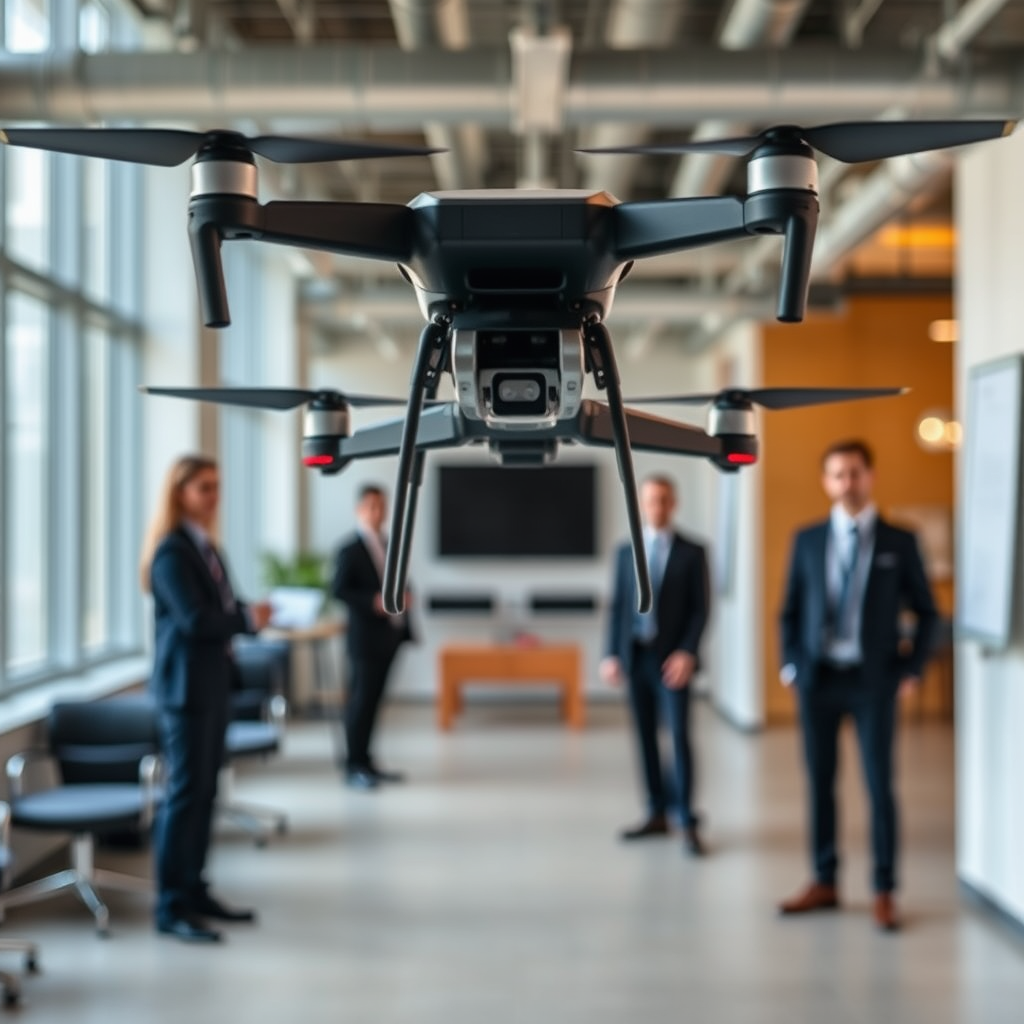
Before embarking on your drone filming journey, it’s vital to familiarize yourself with your drone’s controls and settings. Understanding how to operate your drone effectively is the cornerstone of capturing high-quality aerial footage. Spend time reading the user manual, watching tutorial videos, and practicing basic maneuvers such as takeoff, landing, and hovering. Familiarity with features like GPS stabilization, camera settings, and battery management is crucial for optimal performance during shoots.
Equally important is adherence to drone regulations and airspace restrictions. Each jurisdiction has specific laws governing drone use, including altitude limits and no-fly zones. For instance, in the United States, the Federal Aviation Administration (FAA) requires drone operators to register their drones and follow specific guidelines to ensure safety and compliance. Before you fly, check local regulations and consider obtaining necessary permits, especially for commercial use. This diligence not only protects you legally but also ensures the safety of people and property in the vicinity.
Planning Your Shots
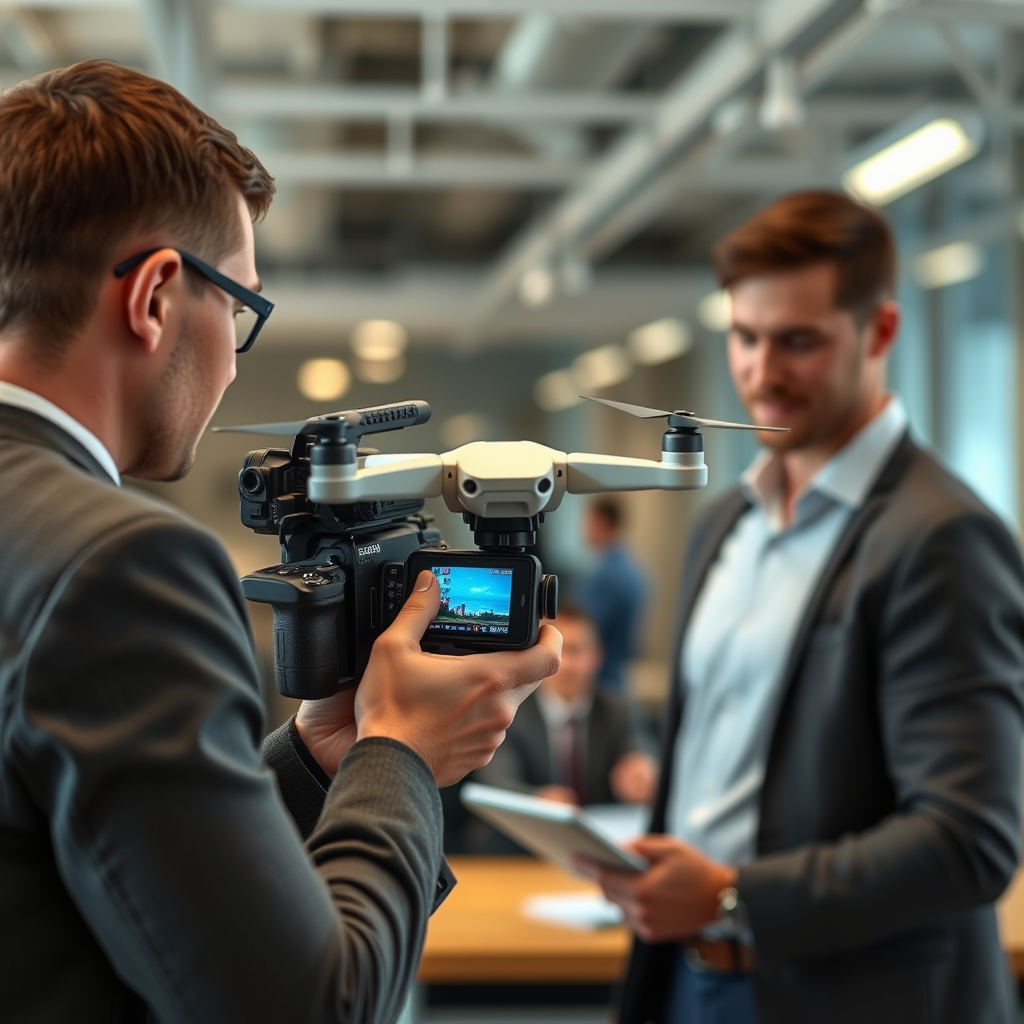
Successful drone footage begins with thorough planning. Developing a shot list aligned with your corporate video’s goals and messaging is essential. Identify key themes and objectives of your video, then brainstorm shots that will effectively convey these messages. Consider various types of shots, such as sweeping panoramas of the company location, close-ups of specific areas, or dynamic tracking shots of employees in action. Each shot should serve a purpose and contribute to the overall narrative.
Location scouting is another critical step in the planning process. Visit potential filming sites in advance to assess lighting conditions, topography, and possible obstacles. Determine the best angles for capturing your desired shots and note any potential challenges, such as power lines or buildings that may obstruct your view. By scouting locations ahead of time, you can maximize your aerial footage quality and ensure that you capture the most visually appealing aspects of your surroundings.
Techniques for Capturing Quality Footage
Once you’ve planned your shots, it’s time to focus on the techniques that will help you capture high-quality drone footage. Smooth camera movements are essential for professional-looking results. Techniques such as panning (moving the camera horizontally) and tracking (following a subject) can create dynamic visuals that engage viewers. Practice these movements to ensure they are executed fluidly, minimizing any abrupt shifts that could detract from the overall quality.
Experimenting with different altitudes and perspectives can also add variety to your footage. For instance, a high altitude might provide a stunning overview of a corporate campus, while a lower altitude could capture the details of a bustling office environment. Consider using a combination of wide shots to establish context and close-ups to highlight key elements. This blend of perspectives will keep your audience engaged and provide a comprehensive view of your corporate story.
Utilizing Lighting and Weather Conditions
Lighting plays a crucial role in the quality of your drone footage. The golden hour—shortly after sunrise or before sunset—offers soft, warm light that enhances the beauty of your shots. Shooting during these times can significantly improve the visual appeal of your corporate video, creating a more inviting atmosphere. Avoid filming during harsh midday sunlight, which can create stark shadows and washed-out colors.
Additionally, monitoring weather conditions is essential for successful drone operation. High winds can lead to shaky footage and potential drone loss, while poor visibility can hinder your ability to capture quality shots. Always check the weather forecast before your shoot, and if conditions are unfavorable, be prepared to reschedule. A little flexibility can make a significant difference in the quality of your final product.
Editing Drone Footage for Maximum Impact
Editing is where your drone footage truly comes to life. Utilize editing software to stabilize your footage, ensuring smooth transitions and eliminating any unwanted shakes. Most editing programs offer stabilization features that can correct minor jitters, making your aerial shots appear more professional. Additionally, enhance colors to make your footage visually striking. Adjusting brightness, contrast, and saturation can help your corporate video stand out and resonate with viewers.
Incorporating graphics and branding elements into your video is another crucial editing step. Use logos, taglines, and other branding materials strategically to reinforce your corporate identity. This not only helps promote brand recognition but also ties your drone footage back to your overall corporate message. Consider using lower-thirds for text overlays or animated graphics to add an engaging layer to your storytelling.
Best Practices for Integrating Drone Footage into Corporate Videos
When integrating drone footage into corporate videos, it’s essential to maintain a balance between aerial shots and the main content. Ensure that drone shots complement the narrative without overwhelming the viewer. Effective integration means using drone footage to enhance storytelling rather than distract from it. For example, you might begin with an aerial overview of your company’s facilities before transitioning to ground-level shots of employees at work, creating a cohesive narrative flow.
Pacing is another critical factor to consider. Use drone footage strategically to maintain viewer engagement. Quick, dynamic drone shots can be effective for transitions between scenes, while longer shots can establish context and create a sense of place. Be mindful of the rhythm of your video; the pacing should feel natural and deliberate, guiding the viewer through the story you wish to tell.
Incorporating drone footage into your corporate videos can significantly enhance their visual appeal and storytelling potential. By mastering drone operation, planning your shots meticulously, and applying effective editing techniques, you can produce high-quality aerial content that captivates your audience. Start experimenting with your drone today, and take your corporate video production to new heights!
Frequently Asked Questions
What are the essential tips for shooting high-quality drone footage for corporate videos?
To capture high-quality drone footage for corporate videos, focus on smooth and stable flight patterns, utilize proper camera settings, and plan your shots in advance. Ensure that your drone is equipped with a high-resolution camera and consider using gimbal stabilization for fluid motion. Additionally, scout locations beforehand to identify the best angles and lighting conditions, which can significantly enhance the visual appeal of your corporate video.
How can I effectively plan a drone shoot for a corporate video?
Effective planning for a drone shoot involves defining the objectives and key messages of the corporate video, creating a shot list, and conducting a site survey. Consider factors such as the time of day for optimal lighting, weather conditions, and any necessary permits for flying drones in specific locations. Collaborating with the corporate team to align on branding and storytelling will ensure that the footage captured meets the desired vision.
Why is it important to follow local regulations when shooting drone footage for corporate videos?
Following local regulations when shooting drone footage is crucial to ensure safety, avoid legal issues, and maintain a professional reputation. Regulations often dictate where drones can be flown, required permits, and altitude limits. Adhering to these rules not only protects you and your equipment but also reflects positively on the corporate brand you are representing, demonstrating a commitment to responsible practices.
What types of drone shots work best for corporate videos?
The best types of drone shots for corporate videos include establishing shots, aerial tracking shots, and dynamic reveals. Establishing shots provide context by showcasing the location, while aerial tracking shots can add a sense of movement and engagement. Dynamic reveals, where the drone moves closer to the subject or transitions from wide to close-up, can create visually compelling narratives that captivate the audience.
Which drones are recommended for shooting corporate video footage?
For shooting corporate video footage, drones like the DJI Mavic Air 2 or the DJI Phantom 4 Pro are highly recommended due to their advanced camera capabilities, stability, and ease of use. These drones offer high-resolution recording options and intelligent shooting modes that can enhance your video quality. Consider factors such as battery life, portability, and available accessories when selecting a drone to ensure it meets your specific corporate video needs.
References
- https://en.wikipedia.org/wiki/Drone_filmography
- Page Not Found | GovInfo
- Unmanned Aircraft Systems (UAS) | Federal Aviation Administration
- https://www.nationalgeographic.com/science/article/the-rise-of-drone-photography
- https://www.theguardian.com/technology/2020/jul/01/drones-video-corporate-video-production
- https://www.shootinginspiration.com/guide-to-drone-footage/
- https://www.techsoup.org/support/articles-and-how-tos/a-guide-to-drone-photography-and-videography
- https://www.american.edu/soc/faculty/upload/Drone-Video-Production.pdf
