

Yes, you can fly a drone in many public parks, but there are specific regulations and guidelines you must follow. Understanding these rules will help ensure a safe and enjoyable experience for both you and others in the park. Each public space has its own set of regulations, and familiarity with these rules is crucial to avoid penalties and promote harmony among park visitors.
Understanding Local Regulations
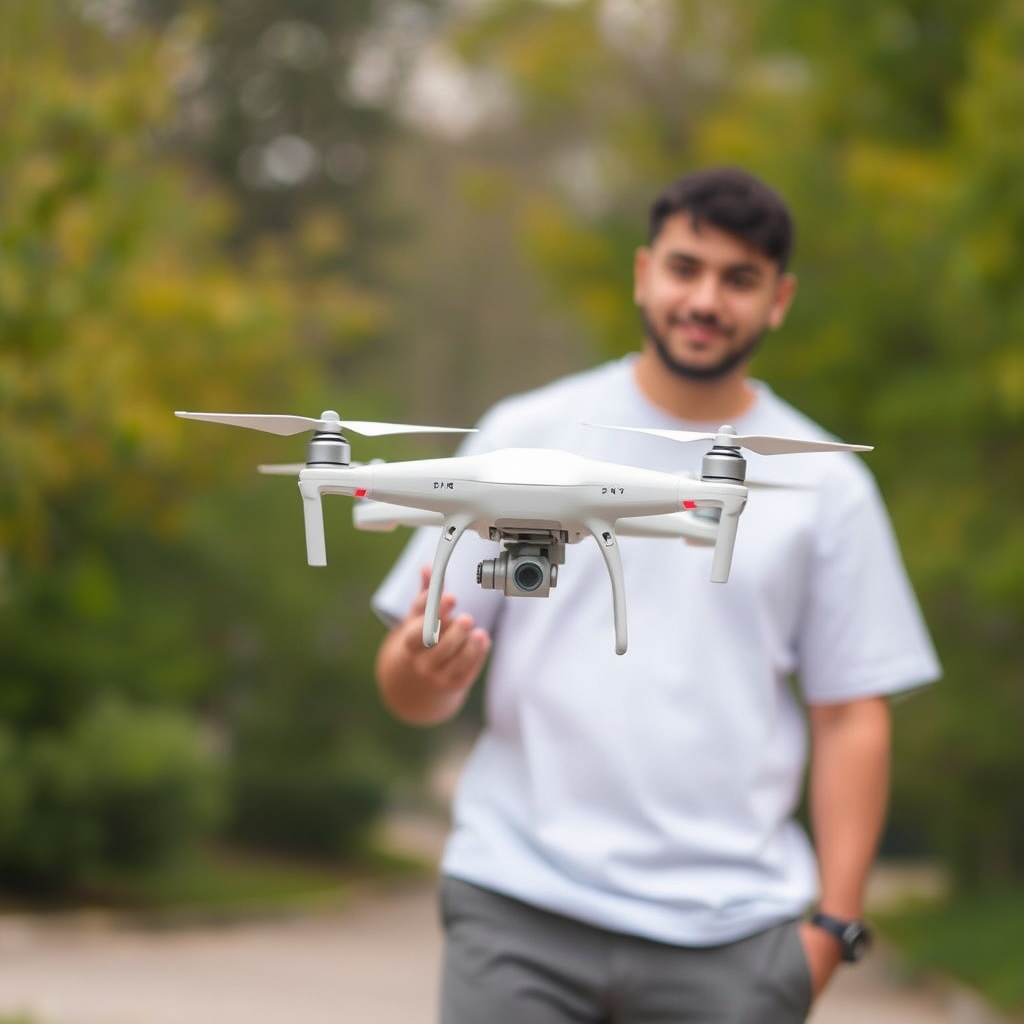
The first step in determining whether you can fly a drone in a specific public park is to understand local regulations. Each park may have different rules regarding drone use, often influenced by local ordinances, environmental concerns, or safety issues. Some parks may prohibit drone flights altogether, while others may allow them with certain restrictions.
To ensure compliance, it is advisable to check with local authorities or park services before your visit. Many parks have their regulations posted on official websites, and contacting park offices directly can provide additional insights. For example, national parks generally have stricter rules due to wildlife protection and preservation efforts, while urban parks may have more lenient guidelines. Be proactive in researching these regulations to avoid any unpleasant surprises.
Federal Aviation Administration (FAA) Rules
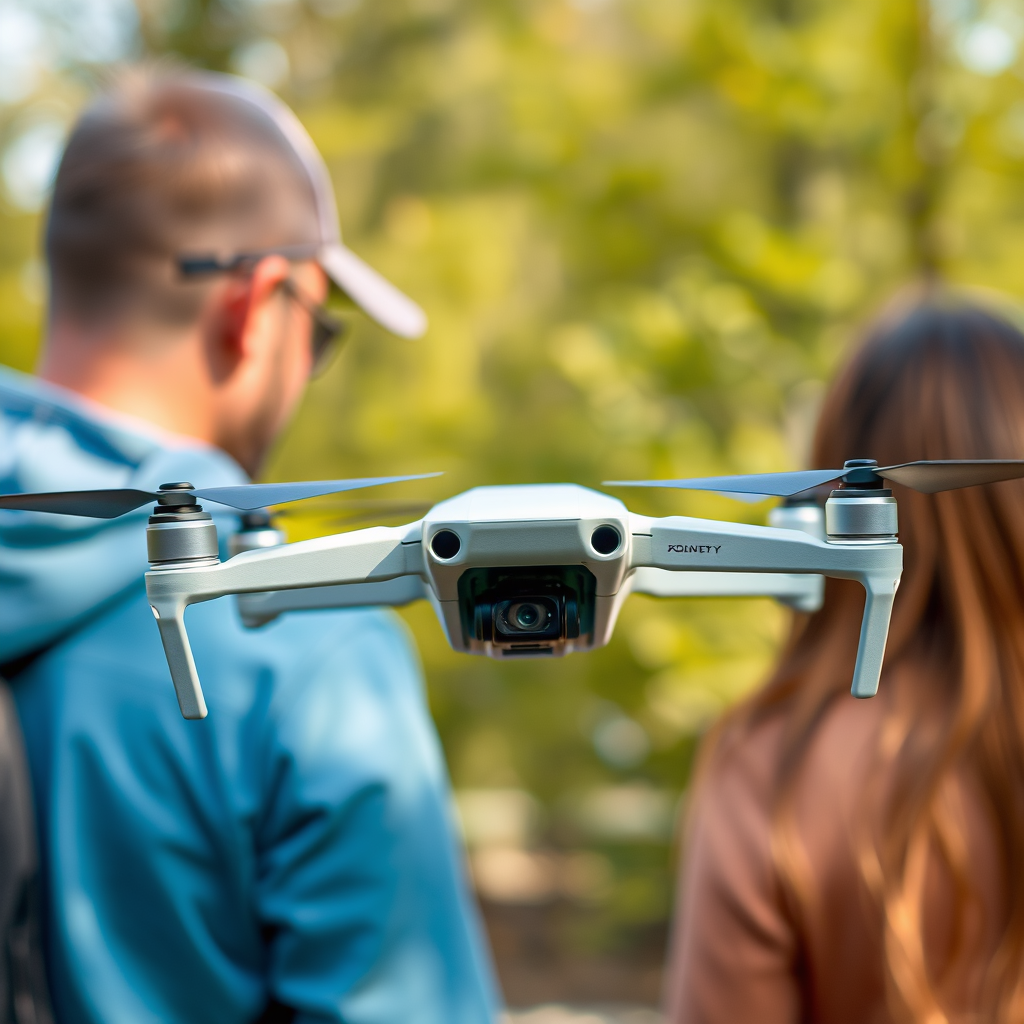
In addition to local park regulations, it is essential to familiarize yourself with Federal Aviation Administration (FAA) regulations governing drone flights. The FAA has established comprehensive rules for drone operations to ensure safety in the national airspace. One of the key requirements is that all drones weighing over 0.55 pounds must be registered with the FAA. This registration process is straightforward, requiring the drone owner to provide their information and pay a nominal fee.
Moreover, the FAA mandates that drone operators adhere to certain flight restrictions, such as maintaining a maximum altitude of 400 feet and avoiding flights near airports or in other restricted airspace. Operators must also avoid flying over people or moving vehicles to minimize risk. By understanding and following these regulations, you can ensure a safe and legal flying experience.
Safety Considerations
Safety is paramount when flying a drone, especially in public spaces where many people gather. Maintaining a safe distance from individuals, wildlife, and property is crucial to prevent accidents or disturbances. For instance, drones should be flown at least 25 feet away from people to avoid potential injuries.
Additionally, always keep your drone within your line of sight while flying. This practice not only adheres to FAA regulations but also enhances your ability to control the drone effectively. Utilizing a spotter can also be beneficial, as they can help monitor the drone’s position and alert you to any potential hazards. By prioritizing safety, you contribute to a more enjoyable environment for everyone in the park.
Drone Flying Etiquette
Flying a drone in a public park requires a level of etiquette to ensure respect for other park users. Avoid flying during busy times when the park is crowded, as this can create disturbances and safety concerns. Early mornings or weekdays often present quieter opportunities for flying.
Be mindful of the noise generated by your drone, as loud sounds can disrupt the peace of the natural environment and disturb other visitors. Additionally, be respectful of the space of others. If people are trying to enjoy a picnic or a quiet moment, consider flying your drone in a less populated area. Practicing good drone flying etiquette fosters a positive atmosphere and encourages others to respect your hobby.
Areas to Avoid
Some parks may have designated no-fly zones or restricted areas where drone operations are not permitted. These areas are often established for wildlife protection, safety concerns, or private property considerations. It is crucial to look for signs indicating restrictions or to ask park staff for clarity.
For example, certain parks may have specific zones near playgrounds, sports fields, or picnic areas where drone flying is discouraged or prohibited. Familiarizing yourself with these areas can prevent fines or other penalties, ensuring that your drone flying experience is enjoyable and responsible. Always prioritize the well-being of wildlife and other park users by adhering to these restrictions.
Obtaining Necessary Permits
In some cases, particularly for commercial drone use, parks may require specific permits for drone flying. If you are planning to conduct aerial photography, videography, or any commercial activity, you must research the permit application process well in advance.
The application process can vary significantly from one park to another, with some requiring extensive documentation, insurance, or fees. For instance, state parks may have their own permitting systems distinct from national parks. Ensure that you complete all necessary paperwork and obtain the required permits before your flying session to avoid legal complications.
Consequences of Non-Compliance
Understanding the potential consequences of non-compliance with drone regulations is vital. Violating park rules can result in fines, confiscation of your drone, or even a ban from flying in that area. For example, flying a drone in a no-fly zone may incur hefty fines that could exceed hundreds of dollars, depending on the severity of the violation.
Additionally, repeated infractions can lead to longer-term consequences, including being prohibited from operating a drone in any public parks within the jurisdiction. These penalties not only impact your ability to fly but also reflect poorly on the drone-flying community as a whole. By adhering to regulations and showing respect for the park and its visitors, you help promote a positive perception of drone use.
In conclusion, while flying a drone in a public park is often allowed, it’s essential to adhere to local regulations, safety guidelines, and park etiquette. Always do your research before heading out, and respect fellow park-goers to ensure a positive experience for everyone. By understanding the rules and practicing responsible flying, you can enjoy the beauty of the outdoors while engaging in this exciting hobby.
Frequently Asked Questions
Can I fly a drone in a public park without permission?
The ability to fly a drone in a public park typically depends on local regulations and park rules. Many public parks require drone operators to obtain specific permits or adhere to guidelines set by the local government or park authority. It’s essential to check with your local park services or consult the Federal Aviation Administration (FAA) regulations to ensure compliance before flying your drone.
What are the rules for flying drones in public parks?
Rules for flying drones in public parks vary by location but usually include restrictions on flying above certain altitudes, maintaining a safe distance from people and structures, and flying only during daylight hours. Additionally, operators must often register their drones with the FAA and may be required to notify park authorities. Always check for specific regulations in your area to avoid fines or penalties.
Why is it important to follow drone regulations in public parks?
Following drone regulations in public parks is crucial for ensuring safety, protecting wildlife, and respecting the privacy of others. Non-compliance can lead to accidents, injuries, or disturbances in the park environment. Moreover, adhering to the rules helps maintain the integrity of the recreational area for all visitors, promoting a positive experience for everyone.
What should I consider before flying a drone in a public park?
Before flying a drone in a public park, consider factors such as the park’s regulations, the presence of people or wildlife, and weather conditions. It’s wise to conduct a pre-flight checklist that includes ensuring your drone is in good working order, checking for no-fly zones, and being aware of your surroundings to avoid any potential hazards while flying.
Which public parks allow drone flying?
Many public parks do allow drone flying, but this varies widely by state and municipality. Some parks may have designated areas for drone enthusiasts, while others may prohibit flying altogether. To find parks that permit drone use, visit local government websites or drone community forums for updated lists and recommendations on where you can fly legally and safely.
References
- https://www.faa.gov/uas/getting_started/part_107
- https://www.nps.gov/articles/drone-use-in-national-parks.htm
- https://www.ama.co.uk/drone-flying-in-parks/
- https://www.parkconservancy.org/news/drone-policy-update
- https://www.theguardian.com/technology/2020/jul/01/drone-flying-rules-uk-guide
- https://www.nytimes.com/2021/07/09/science/drone-regulations.html
