

You generally cannot fly a drone over private property without permission, as it may violate privacy rights and local laws. While federal regulations laid out by the Federal Aviation Administration (FAA) govern airspace use, specific rules can vary based on state and local statutes, as well as the unique circumstances of each situation. Understanding the nuances of drone regulations, property rights, privacy concerns, and best practices is essential for responsible drone operations.
Understanding Drone Regulations
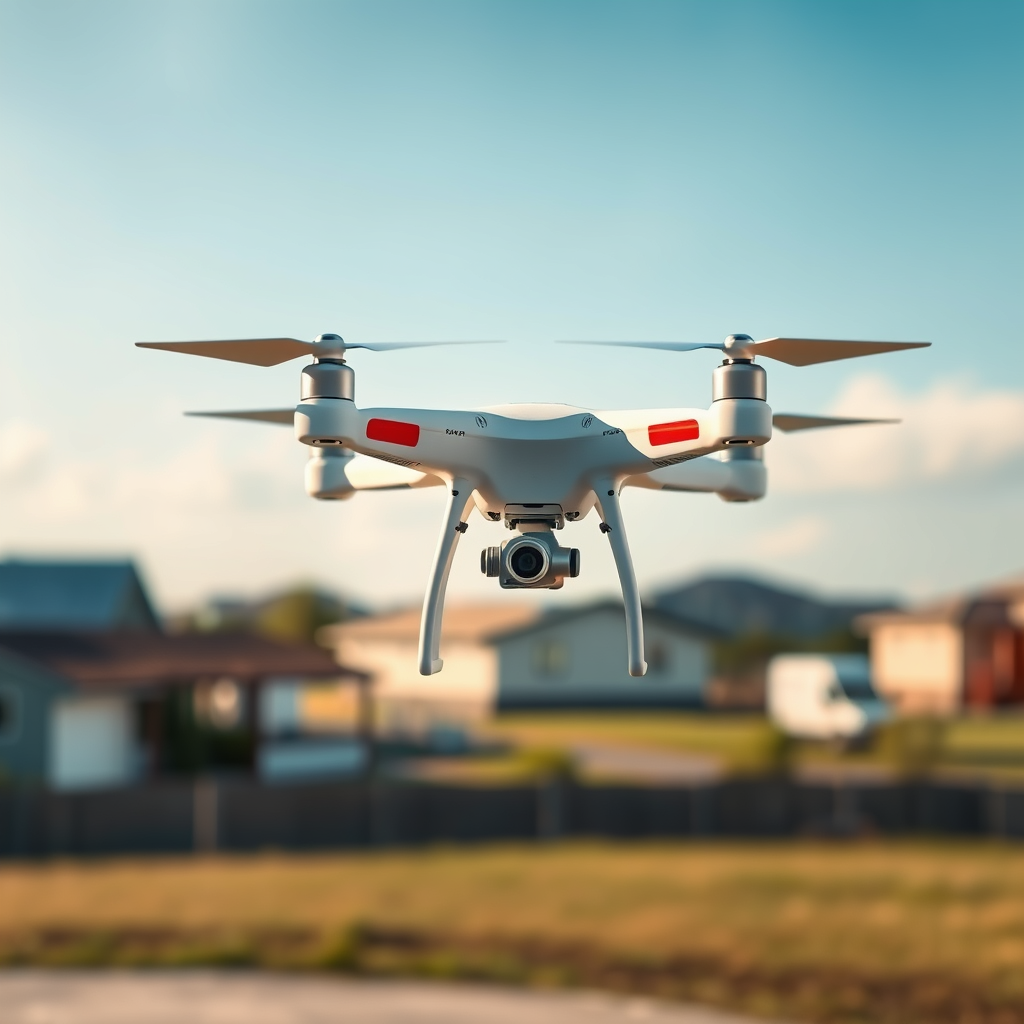
– Federal Aviation Administration (FAA) Guidelines: The FAA is the primary regulatory body overseeing the use of drones in the United States. According to FAA guidelines, drone operators must adhere to rules that include flying below 400 feet, maintaining visual line-of-sight, and avoiding restricted airspace. These regulations are designed to ensure the safety of both manned and unmanned aircraft. Additionally, commercial drone operators must obtain a Part 107 certification, which entails passing an examination that covers various operational principles and regulations.
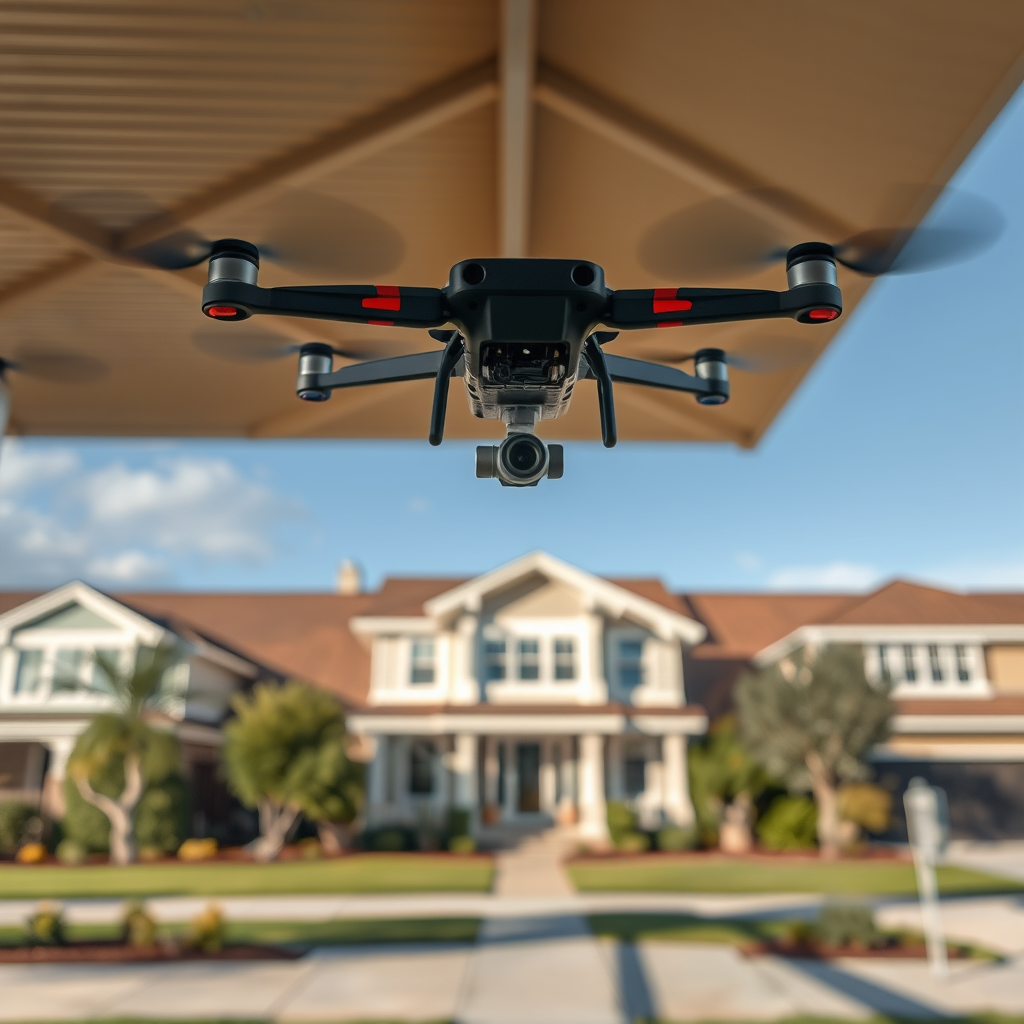
– Local Laws: Beyond federal regulations, state and local laws may impose additional restrictions on flying drones over private property. Some municipalities have enacted specific ordinances that prohibit drone flights in certain areas or require permits for aerial photography. For example, California has laws protecting individuals from invasion of privacy through aerial surveillance, while New York City has strict regulations that forbid drone use in many public spaces. It is crucial for drone operators to research local statutes to avoid legal issues.
Property Rights and Airspace
– Airspace Ownership: A common misconception is that property owners have control over the airspace above their land. While landowners have rights to their property, the FAA asserts control over navigable airspace, which extends to a height of approximately 500 feet above ground level in most cases. This means that while you might be legally allowed to fly a drone over someone’s property, it does not exempt you from potential disputes regarding privacy or property rights.
– Navigable Airspace: The FAA defines navigable airspace as the airspace utilized by aircraft that can be flown safely. Generally, this includes airspace above ground level and below 18,000 feet. Drones operated within navigable airspace at heights that comply with FAA regulations are typically considered lawful unless state or local laws restrict such operations. Operators should be aware that flying too low might infringe on a property owner’s rights, leading to potential conflicts.
Privacy Concerns
– Invasion of Privacy: One of the most pressing issues surrounding drone flights over private property is the potential invasion of privacy. Individuals may feel uncomfortable or threatened by drones capturing images or video of their homes and private lives. This concern is heightened when drones are equipped with high-resolution cameras, enabling them to capture detailed footage. Courts have ruled in favor of property owners in several cases, establishing that unauthorized aerial surveillance can constitute an infringement on privacy rights.
– Legal Consequences: Property owners who believe their privacy has been violated may pursue legal action against drone operators. This could involve civil lawsuits for trespassing, nuisance, or emotional distress. In some jurisdictions, specific laws protect individuals from aerial surveillance, and violators may face significant fines or other penalties. Therefore, it is prudent for drone operators to remain aware of these potential legal ramifications before launching their drones.
Seeking Permission
– Best Practices: To ensure compliance with laws and to respect property rights, drone operators should always seek permission from property owners prior to flying over their land. This practice not only fosters good relationships with neighbors but also mitigates the risk of legal disputes. Approach property owners directly, explain the purpose of the flight, and address any concerns they may have.
– Written Consent: Obtaining written consent can provide both parties with peace of mind and create a record of the agreement. A simple drone flight agreement can outline the intended use, duration, and any other pertinent details. This documentation is particularly beneficial if misunderstandings or disputes arise later, as it can serve as evidence of the property owner’s permission.
Exceptions to the Rule
– Emergency Situations: There are specific circumstances under which a drone may be flown over private property without prior permission, such as emergency situations. For instance, law enforcement may deploy drones for search and rescue operations or to monitor hazardous situations like wildfires. In these cases, public safety takes precedence over privacy concerns.
– Public Interest: Additionally, drone flights may be permissible over public gatherings or events where individuals have limited expectations of privacy. For example, news organizations often utilize drones to cover large public events, such as parades or sports games. However, even in these instances, operators should be aware of local regulations governing drone use and the potential for privacy violations.
Consequences of Unauthorized Flights
– Fines and Penalties: Flying a drone over private property without permission can result in severe legal consequences. The FAA has the authority to impose fines on operators who violate regulations, and local laws may impose additional penalties. For instance, fines can vary significantly depending on the jurisdiction and the nature of the violation, ranging from a few hundred to several thousand dollars.
– Liability Issues: Beyond fines, unauthorized flights can expose operators to liability issues. If a drone damages property or injures someone while flying over private land, the operator may be held financially responsible for repairs and medical costs. It is essential for drone operators to consider potential liability and take steps to mitigate risks, such as obtaining insurance coverage for drone operations.
In summary, while it may be legally permissible in some cases to fly a drone over private property without permission, it is essential to be aware of the associated legal, ethical, and privacy implications. Understanding FAA regulations, local laws, and property rights is crucial for responsible drone operation. Additionally, seeking consent from property owners is always the best practice to avoid potential conflicts and legal issues. By prioritizing communication and transparency, drone operators can enjoy their hobby or profession while respecting the rights of others.
Frequently Asked Questions
Can you fly a drone over private property without permission?
In general, flying a drone over private property without permission can lead to legal issues. While the Federal Aviation Administration (FAA) grants pilots the right to fly in the national airspace, property owners have rights regarding privacy and trespassing. Therefore, it’s best to obtain consent from property owners before flying a drone over their land to avoid any potential disputes or legal ramifications.
What are the legal implications of flying a drone over someone else’s property?
The legal implications of flying a drone over private property vary by jurisdiction but often involve issues of trespassing and invasion of privacy. Many states have specific drone laws that protect property owners from unauthorized surveillance or disturbance. If you fly a drone over private land without permission, you could face fines or civil lawsuits from the property owner, so it’s essential to research local regulations and seek consent.
How can I get permission to fly a drone over private property?
To obtain permission to fly a drone over private property, you should directly contact the property owner and explain your intentions. It’s helpful to provide details such as the purpose of your flight, the duration, and how the data will be used. A written agreement can also be beneficial to formalize the permission and protect both parties’ interests.
Why is it important to respect private property when flying a drone?
Respecting private property when flying a drone is crucial for maintaining good relationships with the community and adhering to legal standards. Infringing on someone’s privacy can lead to confrontations, legal action, and even damage to your reputation as a drone pilot. Moreover, demonstrating respect for property rights helps foster a more positive perception of drone use in general, which is vital for the growth of the drone industry.
Which states have specific laws regarding flying drones over private property?
Several states in the U.S. have enacted laws that regulate drone use over private property, including California, Florida, and Texas. These laws often address issues such as privacy, trespassing, and airspace rights. It’s crucial to familiarize yourself with your state’s drone regulations, as they can differ significantly and may impose restrictions on commercial and recreational drone flights over private property. Always check local laws and guidelines to ensure compliance before flying.
References
- https://www.faa.gov/uas/resources/policy_library/existing_laws/
- https://www.nolo.com/legal-encyclopedia/drone-law-your-rights-29765.html
- https://www.washingtonpost.com/technology/2021/02/25/drone-property-rights/
- https://www.privacyinternational.org/explainer/4147/drone-laws-and-your-rights
- https://www.forbes.com/sites/juliettekayyem/2021/08/09/what-drone-law-means-for-property-rights-and-privacy/
- https://www.urbandictionary.com/define.php?term=Drone%20Law
- https://www.aclu.org/news/free-speech/drone-law-and-privacy-issues
