

Radar can track drones, but the effectiveness depends on various factors such as radar type, drone size, and environmental conditions. As the proliferation of drones continues across various industries, the ability to effectively detect and track them using radar systems becomes increasingly significant. In this article, we will delve into how radar technology operates, the different types of radar used for drone detection, the factors influencing tracking effectiveness, the limitations experienced in the field, complementary technologies that enhance detection, and the future outlook for radar technology in this domain.
Understanding Radar Technology
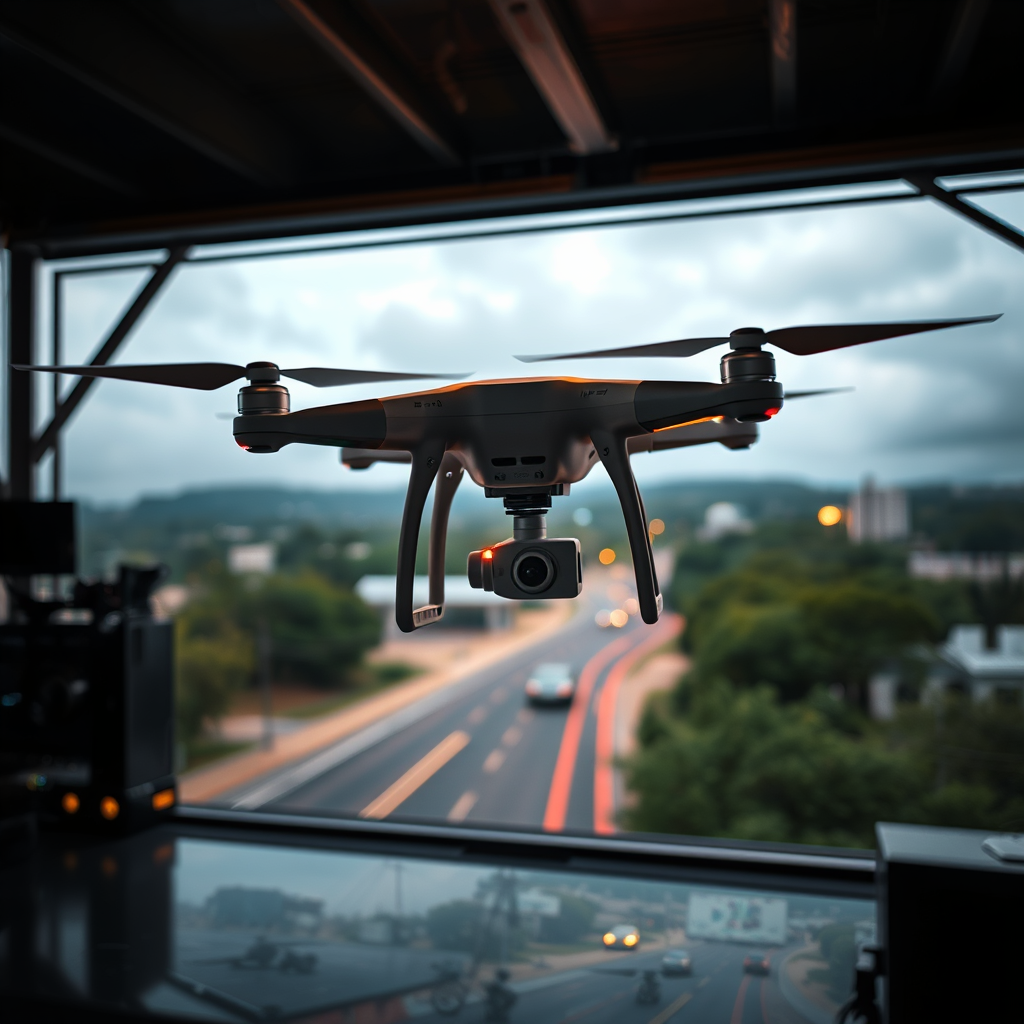
Radar (Radio Detection and Ranging) is a technology that utilizes radio waves to detect and locate objects, including aircraft, ships, and, notably, drones. The fundamental principle of radar involves transmitting radio waves and analyzing the echoes that bounce back after hitting an object. By measuring the time it takes for the waves to return and their frequency shift, radar systems can determine the distance, speed, and direction of the object.
Different types of radar systems have been developed to cater to various detection needs. Primary radar systems detect objects based purely on the reflected radio waves, while secondary radar systems rely on additional information from transponders located on the tracked object. These systems can vary in range, resolution, and operating frequency, influencing their effectiveness in tracking drones.
Types of Radar Used for Drone Tracking
**Primary Radar**
Primary radar systems are essential for the fundamental detection of objects. They work by emitting a radio signal and listening for the echo that returns after striking an object. This type of radar is particularly effective for larger drones, which have a more significant radar cross-section (RCS) and are easier to detect. For example, military-grade drones, such as the MQ-9 Reaper, may be tracked effectively using primary radar due to their size and construction materials.
However, primary radar systems have limitations when it comes to detecting smaller drones. Since many commercial drones can be quite compact, they may not return a strong enough signal for traditional primary radar systems to detect them reliably.
**Secondary Radar**
Secondary radar offers enhanced capabilities by working in conjunction with transponders that are often installed on drones. This technology provides more precise tracking information and allows for the identification of the drone type and its operational status. An example of a secondary radar system is the Automatic Dependent Surveillance–Broadcast (ADS-B), which receives information transmitted by the drone’s transponder, including its position and altitude.
The combination of primary and secondary radar systems can significantly improve the overall effectiveness of drone detection, especially in airspace crowded with various types of aircraft.
Factors Affecting Radar Tracking of Drones
Several factors influence the effectiveness of radar systems in tracking drones.
**Size and Shape**
One of the primary factors is the size and shape of the drone itself. Smaller drones, often referred to as micro or mini drones, can evade detection due to their limited radar cross-section. For instance, a consumer drone like the DJI Mavic Air, which weighs less than a pound, may be difficult for a standard radar system to detect. Furthermore, drones designed with stealth technology that minimizes their radar signature can further complicate detection efforts.
**Altitude and Speed**
The altitude and speed at which a drone operates also play a critical role in radar effectiveness. Drones flying at lower altitudes may be more challenging to track as they may be obscured by terrain or vegetation. Additionally, slower-moving drones may not generate a strong enough return signal to be accurately detected. In contrast, drones flying at higher altitudes or faster speeds are generally easier to track due to their increased radar visibility.
Limitations of Radar in Drone Detection
Despite its advantages, radar technology faces several limitations in the context of drone detection.
**Environmental Interference**
Environmental factors such as weather conditions and terrain can significantly impact radar performance. Heavy rain, fog, or snow can attenuate radar signals, leading to reduced detection range and accuracy. Furthermore, complex terrain, such as mountains or urban environments, can create radar shadows where drones may go undetected.
**Design Considerations of Drones**
Some drones are specifically designed to minimize their radar cross-section, using materials that absorb radar waves or employing shapes that deflect radar signals away from the source. This stealth capability makes such drones significantly harder to detect with traditional radar systems. As drone technology continues to evolve, the challenge of detecting these increasingly sophisticated aerial vehicles will likely become more pronounced.
Complementary Technologies to Radar
To enhance drone detection capabilities, various complementary technologies are being developed and implemented alongside radar systems.
**Thermal Imaging**
Thermal imaging technology is particularly useful for detecting drones at night or in low-visibility conditions. By capturing the heat emitted from the drone’s motors and components, thermal cameras can provide a reliable detection method that can complement radar systems. For instance, law enforcement agencies often use thermal imaging to track drones suspected of illegal activities in restricted airspace.
**Acoustic Sensors**
Acoustic sensors can detect the unique sounds produced by drone propellers, offering another avenue for detection. These sensors can be strategically placed in areas where drone activity is anticipated, providing real-time alerts when a drone is detected. The combination of acoustic detection and radar technology can create a multi-layered approach to drone tracking.
Future of Radar Technology in Drone Tracking
The future of radar technology in drone tracking appears promising, with several advancements on the horizon.
**Technological Advancements**
Ongoing research and development efforts are focused on enhancing radar systems to improve detection rates, particularly for smaller drones. Innovations such as phased array radar technology may allow for faster scanning and more precise tracking capabilities. Additionally, the integration of artificial intelligence (AI) with radar systems is expected to enhance target recognition, allowing radar to differentiate between various types of drones and other aerial objects.
**Integration with Other Technologies**
The future may also see greater integration between radar systems and other technologies, such as machine learning algorithms, which can analyze vast amounts of data to improve detection accuracy. This multi-faceted approach could lead to more robust surveillance systems capable of responding to the increasing challenges posed by drone proliferation.
In conclusion, while radar can track drones effectively, its success is contingent upon the type of radar used, the characteristics of the drone being monitored, and the environmental conditions in play. As technological advancements continue to emerge, the capabilities of radar and complementary detection systems are expected to evolve, enhancing our ability to monitor and manage drone activity in various airspace. The challenges associated with smaller, stealthier drones will necessitate continued innovation in radar technology and detection methodologies to ensure safety and security in our skies.
Frequently Asked Questions
Can radar systems effectively track drones in real-time?
Yes, radar systems can effectively track drones in real-time, especially those equipped with transponders. Traditional radar systems are designed to detect objects based on their size and speed, making them capable of identifying drones, which typically have a smaller radar cross-section compared to larger aircraft. However, specialized radar systems, such as those designed for detecting small unmanned aerial vehicles (UAVs), are increasingly being deployed to enhance tracking capabilities and improve accuracy.
What types of radar are best for tracking drones?
The best types of radar for tracking drones include phased array radar, Doppler radar, and multi-static radar systems. Phased array radar offers high resolution and can track multiple drones simultaneously, while Doppler radar excels at detecting the speed of moving objects. Multi-static radar systems utilize multiple radar units to triangulate the position of drones more effectively, making them particularly useful in complex environments where traditional radar might struggle.
Why might radar fail to track certain drones?
Radar may fail to track certain drones due to several factors, including the drone’s size, altitude, and design. Smaller drones, particularly those made from materials that absorb radar signals, can have a minimal radar cross-section, making them difficult to detect. Additionally, flying at very low altitudes or in dense urban environments can obstruct radar signals, further complicating tracking efforts.
How do radar systems differentiate between drones and other flying objects?
Radar systems differentiate between drones and other flying objects using advanced signal processing techniques that analyze the object’s speed, altitude, and flight pattern. By comparing these characteristics against known profiles of drones and other aerial vehicles, radar systems can filter out non-relevant targets. Additionally, integrating radar data with other detection methods, such as infrared or visual tracking, can enhance the accuracy of identification.
What are the limitations of using radar for drone detection?
The limitations of using radar for drone detection include susceptibility to environmental interference, higher operational costs, and potential false positives. Weather conditions, such as rain or fog, can degrade radar performance, while the high cost of specialized radar systems can be a barrier for many organizations. Furthermore, smaller drones may be mistaken for birds or other small objects, leading to challenges in accurately identifying potential threats.
References
- https://en.wikipedia.org/wiki/Radar
- https://www.faa.gov/newsroom/faa-announces-drone-safety-initiative
- https://www.nist.gov/news-events/news/2022/06/nist-helps-ensure-drones-are-detectable
- https://www.reuters.com/technology/air-force-uses-radar-track-drones-exercise-2022-08-18/
- https://www.sciencedirect.com/science/article/pii/S2213138822000973
- https://www.nationaldefensemagazine.org/articles/2021/10/25/special-report-drone-detection-and-tracking
- https://www.bbc.com/news/technology-56833791
- https://www.army.mil/article/228893/us_army_explores_use_of_radar_to_detect_drones
- https://www.nasa.gov/centers/dryden/pdf/87410.pdf
