

Most consumer drones can fly distances of 1 to 7 miles, depending on factors like battery life and signal strength. However, specialized drones designed for long-range missions can exceed these distances significantly. With the rapid advancement of drone technology and varying applications across industries, understanding the limitations and capabilities of drone flight is crucial. This article will delve into the factors influencing drone range, the types of drones available, drone technology advancements, regulatory considerations, practical applications for long-distance flying, and real-world examples of successful long-range missions.
Factors Affecting Drone Range
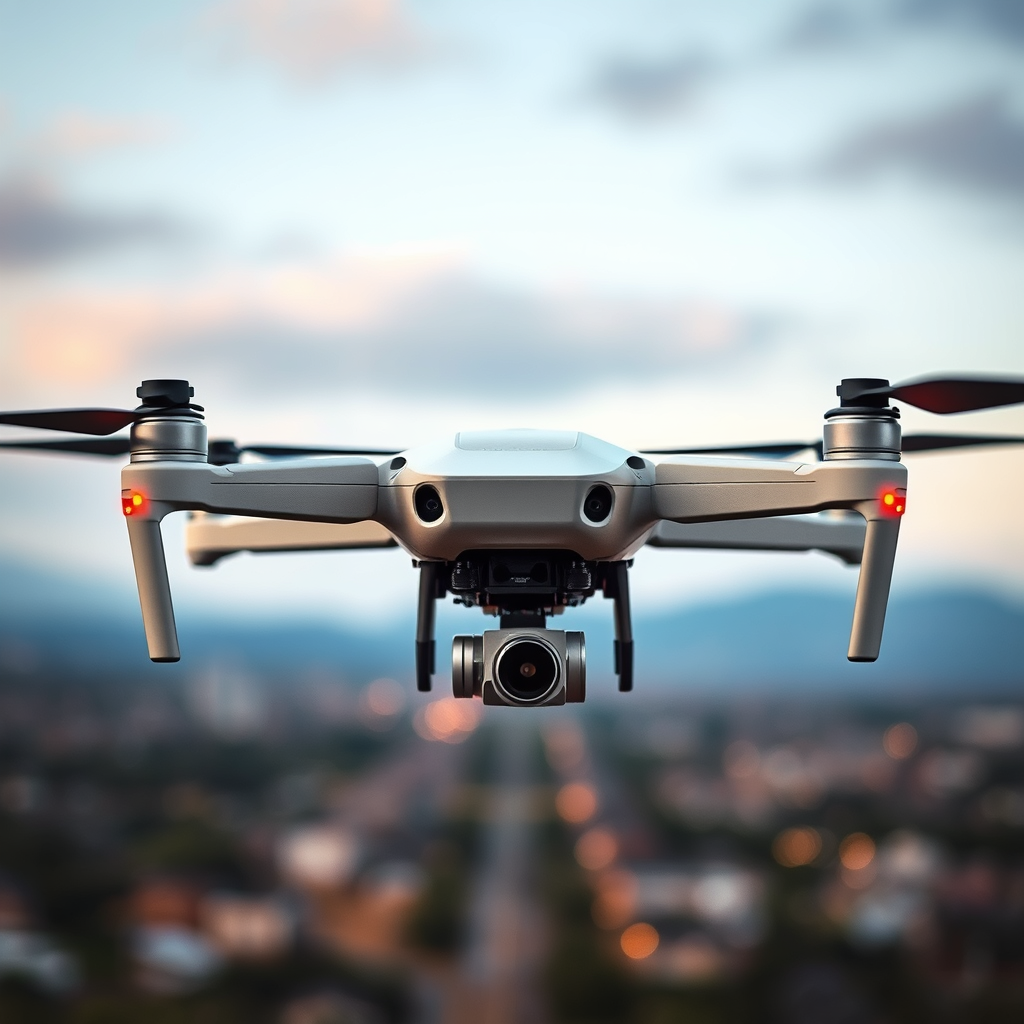
Several key factors influence how far a drone can fly, which are essential to consider for both hobbyists and professionals.
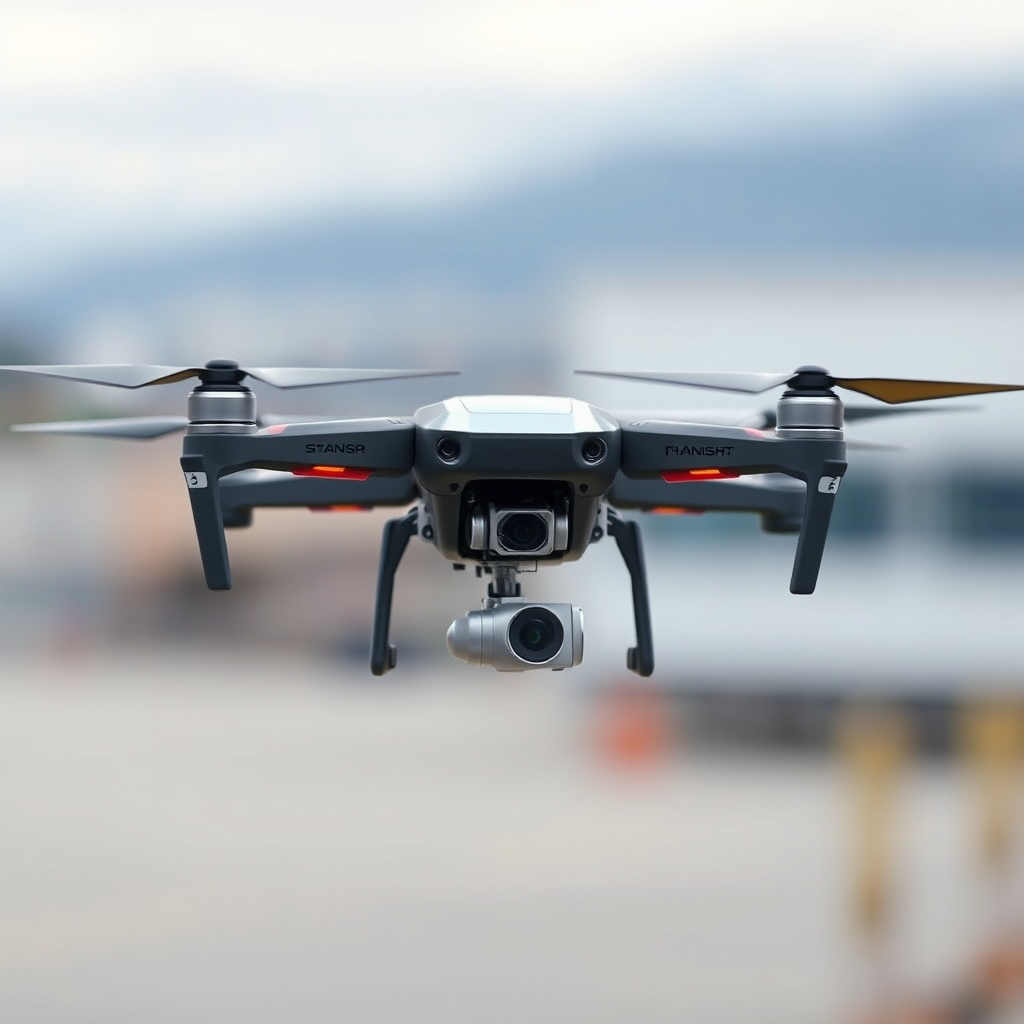
– Battery Life: Drone battery life is one of the most critical factors affecting flight distance. Most consumer drones are equipped with lithium-polymer batteries that typically provide flight times ranging from 20 to 30 minutes. The duration a drone can stay airborne directly impacts its flying distance. A drone that can fly for 30 minutes may cover more ground than one that only lasts for 20 minutes, assuming similar speeds and conditions. Battery efficiency can also be influenced by weight, temperature, and flying conditions.
– Signal Strength: Communication between the drone and the remote controller is essential for maintaining control over long distances. The type of signal technology used (Wi-Fi, radio frequency, etc.) plays a significant role in the distance a drone can operate. For instance, drones using 2.4 GHz radio signals can typically maintain a reliable connection for several miles, while those using 5.8 GHz may offer shorter ranges but with less interference. Additionally, obstacles such as buildings, trees, and hills can weaken signal strength, limiting operational range.
Types of Drones and Their Ranges
Drones are categorized based on their intended use, which inherently influences their operational ranges.
– Consumer Drones: These are designed for recreational use and typically have a range of 1 to 7 miles. Models like the DJI Mavic Air 2 offer a range of up to 6.2 miles under optimal conditions, making them suitable for casual users who want to capture aerial photography or videos. For most hobbyists, this range is more than adequate for personal exploration and enjoyment.
– Professional Drones: Designed for commercial purposes, these drones often feature extended ranges of 10 miles and beyond. For example, the DJI Matrice 300 RTK is tailored for enterprise applications and can achieve a maximum range of approximately 15 miles. These drones are equipped with advanced technology to support tasks such as surveying, mapping, and inspection, allowing them to cover large areas efficiently and effectively.
Drone Technology Advancements
With ongoing innovations in drone technology, the operational range and capabilities of drones are continually expanding.
– Improved Batteries: New battery technologies, such as solid-state batteries, are on the horizon, promising to enhance flight times and distances significantly. These batteries can potentially provide longer flight durations and quicker charging times, making drones more efficient and reliable for extended missions. Research into energy-dense battery materials is also paving the way for lighter drones capable of carrying more payloads over greater distances.
– Enhanced Communication Systems: Technologies like 4G and 5G are revolutionizing drone communication. These advancements allow drones to maintain stable connections over longer distances, even in challenging environments. 4G LTE networks are already being utilized to enable real-time streaming and data transfer, while the upcoming rollout of 5G technology is expected to enhance drone capabilities further, allowing for seamless operation in urban areas where traditional RF signals may falter.
Regulatory Considerations
Operating drones, particularly for long distances, involves navigating a complex landscape of regulations.
– FAA Regulations: The Federal Aviation Administration (FAA) imposes regulations that dictate the legal limits on drone flights. Pilots must adhere to specific altitude restrictions, no-fly zones, and operational guidelines to ensure safety and compliance. For long-distance flights, understanding airspace restrictions and obtaining necessary permits is crucial. This includes being aware of temporary flight restrictions (TFRs) that may affect planned routes.
– Remote Pilot Certification: Becoming a certified Remote Pilot under Part 107 of the FAA regulations is essential for those looking to operate drones for commercial purposes. This certification ensures that pilots understand the operational limits, airspace classifications, and safety protocols necessary for long-distance flights. Additionally, passing the Remote Pilot Knowledge Test demonstrates a pilot’s competence in managing drone operations effectively.
Practical Applications of Long-Range Drones
The potential of long-range drones extends far beyond recreational use, impacting various industries and applications.
– Aerial Surveying: Drones are increasingly utilized for mapping large areas efficiently. In agriculture, for example, farmers can deploy drones to survey vast fields, gathering data on crop health, soil conditions, and irrigation needs. This capability allows for more informed decision-making and resource management, ultimately leading to increased yields and reduced costs.
– Search and Rescue Operations: Drones play a crucial role in search and rescue missions, particularly in hard-to-reach areas. Equipped with thermal imaging cameras and GPS technology, drones can quickly identify missing persons or assess disaster-stricken areas. Their ability to cover large distances in a short amount of time makes them invaluable tools for emergency responders, allowing for faster and more efficient rescue operations.
Real-World Examples of Long-Distance Drone Flights
To illustrate the potential of long-range drones, several case studies highlight successful missions across various industries.
– Case Studies: In the agricultural sector, drones have been used to survey thousands of acres, providing actionable insights for farmers. One notable case involved a drone company that mapped over 10,000 acres of cropland in a single flight, utilizing advanced imaging technology to assess crop health and optimize irrigation processes.
– Notable Achievements: Drones have set distance records that demonstrate their capabilities. In 2020, a drone successfully flew a distance of over 100 miles in a single flight, showcasing advancements in battery technology and communication systems. Such achievements not only push the boundaries of drone technology but also inspire further innovations that could benefit various industries.
In conclusion, the distance a drone can fly varies widely based on technology, type, and regulations. Understanding the influences of battery life, signal strength, and advancements in drone technology is essential for both hobbyists and professionals. As technology continues to advance, the potential for drones to cover greater distances will only increase, unlocking new possibilities for aerial applications. For enthusiasts and professionals alike, grasping these factors can help optimize drone use for specific needs, maximizing the benefits of this powerful tool.
Frequently Asked Questions
What is the maximum range of consumer drones available today?
The maximum range of consumer drones can vary significantly based on the model and manufacturer. Most popular consumer drones, like the DJI Mavic Air 2, can reach ranges of up to 10 kilometers (approximately 6.2 miles) under ideal conditions. However, factors such as signal interference, battery life, and local regulations can affect this range, so it’s essential to understand your drone’s specifications and the environment in which you’re flying.
How does battery life impact a drone’s flight distance?
Battery life directly impacts a drone’s flight distance, as drones rely on battery power to operate their motors and onboard systems. A drone with a larger battery capacity will typically fly longer distances before requiring a recharge. For instance, a drone with a 3,000mAh battery may have a flight time of about 30 minutes, allowing it to cover a greater distance compared to a drone with a smaller battery. Additionally, factors such as wind, payload, and flight speed can also influence how far a drone can effectively travel on a single charge.
Why do some drones have longer ranges than others?
Some drones have longer ranges due to advanced technology, including enhanced transmission systems and improved antenna designs. For example, drones equipped with OcuSync or Lightbridge technology can maintain a stable connection over greater distances compared to those using standard Wi-Fi. Furthermore, higher-end models often incorporate better battery efficiency and aerodynamic designs that allow for longer flight ranges, making them suitable for various applications like aerial photography and surveying.
What is the best drone for long-range flying?
The best drone for long-range flying typically includes models designed for extended distance capabilities, such as the DJI Mavic 3 or the Autel Robotics EVO Lite+. These drones offer a range of up to 15 kilometers (about 9.3 miles), advanced obstacle avoidance systems, and robust battery life, making them ideal for professional use. When selecting a long-range drone, consider factors like camera quality, GPS capabilities, and whether the drone meets your specific needs for aerial photography or mapping.
Which factors can limit a drone’s flying distance?
Several factors can limit a drone’s flying distance, including signal interference, physical obstructions, and local regulations. Obstacles such as buildings, trees, and hills can obstruct the radio signal between the drone and the controller, leading to reduced range. Moreover, legal restrictions in certain areas may impose limits on how far a drone can fly from its operator. It’s crucial to familiarize yourself with local drone laws and ensure optimal flying conditions to maximize your drone’s potential range.
References
- https://en.wikipedia.org/wiki/Drone
- https://www.faa.gov/uas/
- https://www.nytimes.com/2020/01/24/business/drone-range.html
- https://www.reuters.com/article/us-usa-drones-insight-idUSKBN2A91CZ
- https://www.nasa.gov/press-release/nasa-drone-research-aims-to-improve-safety-and-reliability
- https://www.sciencedirect.com/science/article/pii/S235197891830151X
- https://www.wired.com/story/drone-range-what-you-need-to-know/
- https://www.ncbi.nlm.nih.gov/pmc/articles/PMC7534403/
