

Yes, you can put a drone in your suitcase, but there are important considerations to keep in mind regarding airline regulations, safety, and packing methods. Traveling with a drone can be an exciting way to capture stunning aerial footage, but it requires careful planning and adherence to various guidelines to ensure a smooth journey. This article will guide you through the necessary steps and tips for safely traveling with your drone, ensuring that you can focus on enjoying your trip without the stress of potential mishaps.
Understanding Airline Regulations
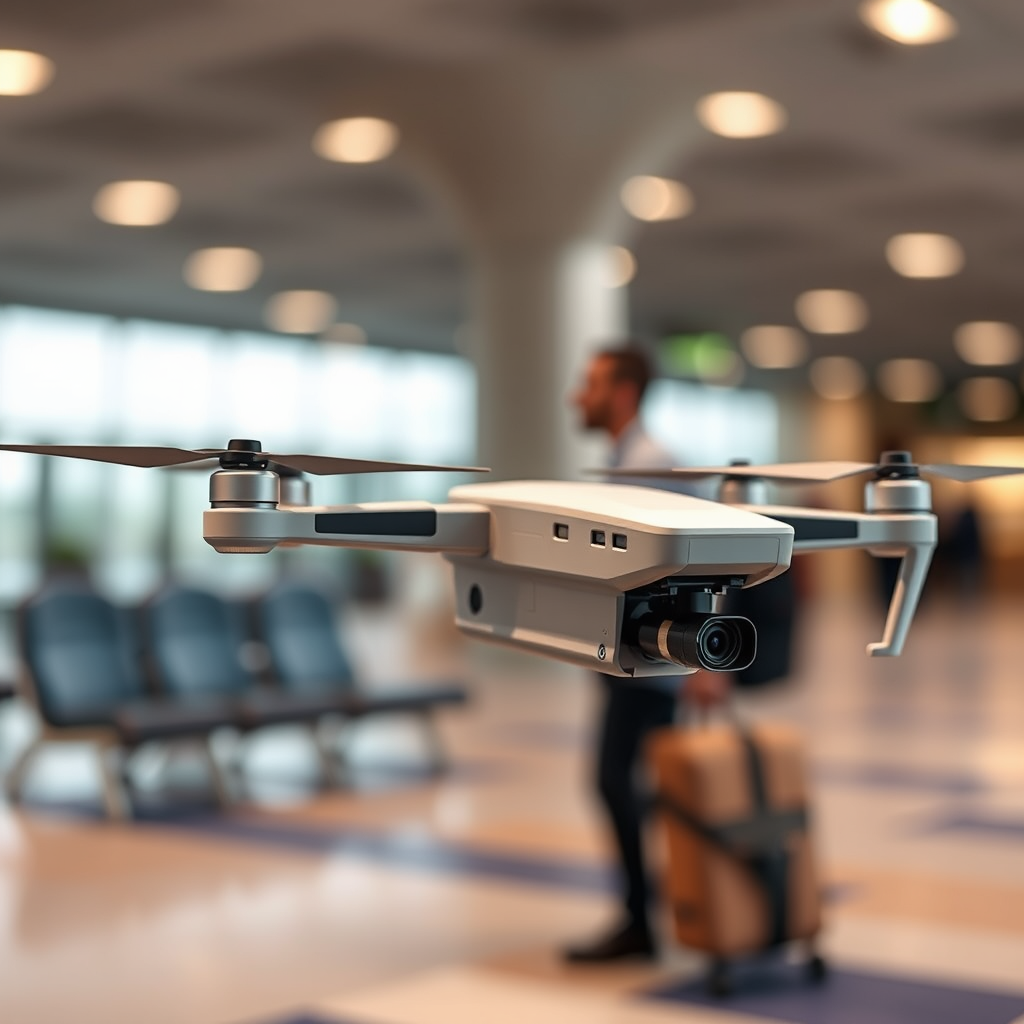
When planning to travel with a drone, the first step is to familiarize yourself with the specific regulations of the airline you will be using. Different airlines have varying policies regarding the transportation of drones in both checked and carry-on luggage. Some airlines may permit drones in checked bags, while others may have restrictions. For instance, airlines like Delta and American Airlines require that lithium batteries, which power most drones, be carried in carry-on luggage due to safety regulations concerning flammable materials. It’s essential to check the airline’s website well in advance of your travel date to avoid any last-minute surprises at the airport. Additionally, you may encounter different regulations based on domestic or international flights, as countries have specific rules regarding drone usage and transport.
Preparing Your Drone for Travel
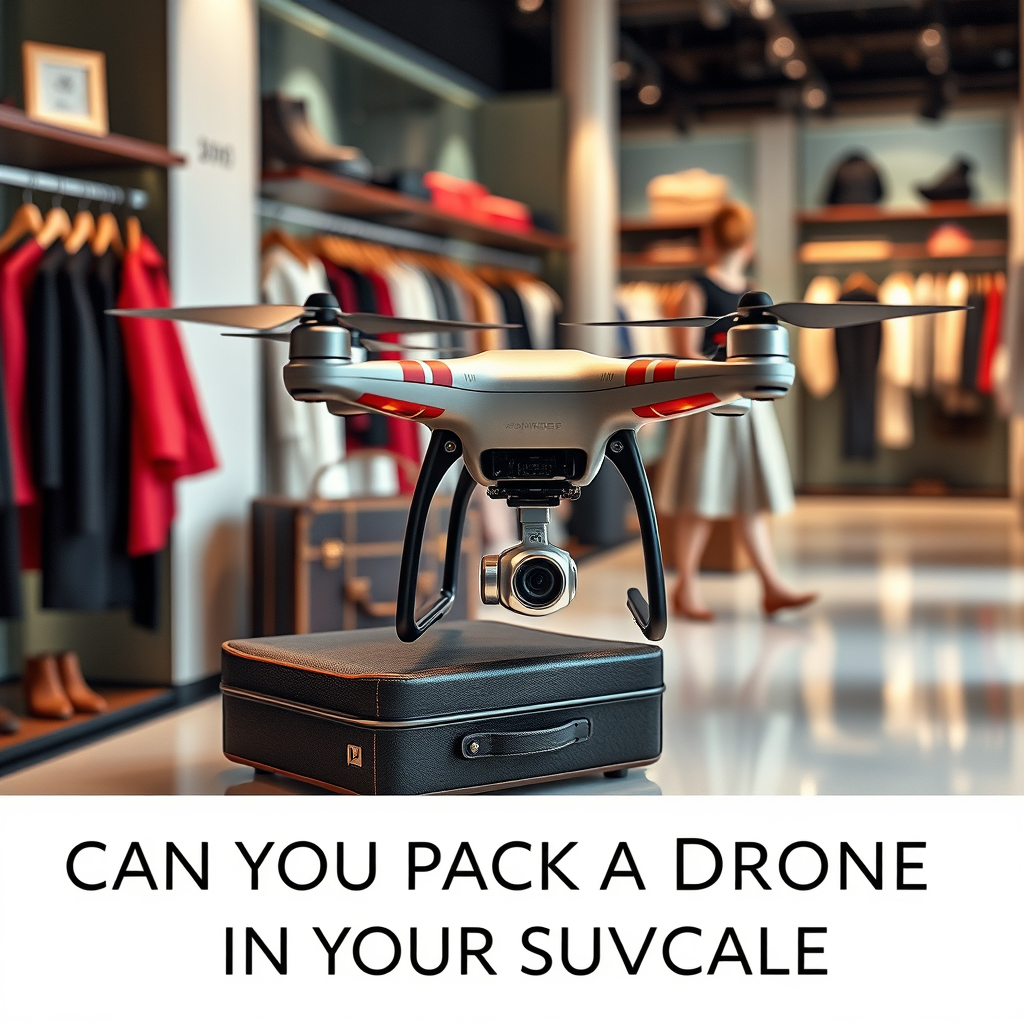
Before packing your drone, it’s crucial to prepare it properly to minimize the risk of damage during transit. Start by removing propellers and any detachable parts, such as cameras or landing gear, to save space and protect these components from potential impact. Placing these items in a separate compartment or a padded case can further safeguard them. It’s also advisable to power down the drone completely and check for any firmware updates that may be required before your journey. Using a protective case designed for your drone model will offer added security against shocks and bumps, ensuring that your equipment remains intact throughout your travels.
Choosing the Right Suitcase
Selecting an appropriate suitcase is vital when transporting your drone. Opt for a hard-shell suitcase if possible, as it provides better protection against impact compared to soft-shell alternatives. Hard-shell suitcases can withstand rough handling during luggage transfers, significantly reducing the likelihood of damage. Additionally, ensure that your suitcase has sufficient padding or compartments to secure the drone and its accessories. Some travelers may consider investing in specialized drone backpacks or cases that are designed for convenient transport, offering extra compartments for batteries, remote controls, and other essential gear.
Packing the Drone Safely
When packing your drone, it’s essential to cushion it properly to prevent any damage during transit. Utilize foam inserts or bubble wrap to create a protective barrier around the drone and its components. This cushioning should be placed strategically to absorb any shocks that may occur, especially if the suitcase is subjected to rough handling. It’s also important to keep the drone away from heavy items within the suitcase to avoid crushing it. Consider allocating a dedicated section of your luggage for your drone and its accessories, ensuring that they remain secure and organized throughout the journey.
Understanding Customs and Import Regulations
Before you travel internationally with your drone, researching the drone laws of your destination country is crucial to avoid legal issues. Many countries have specific regulations regarding drone usage, including registration requirements, no-fly zones, and insurance policies. For example, countries like Canada and Australia enforce strict guidelines, and failure to comply may result in fines or confiscation of the drone. Additionally, be prepared to declare your drone at customs if required, as some countries may have restrictions on the number of drones or types of equipment that can be imported. Always consult the embassy or official government website of your destination for the most accurate and up-to-date information.
Tips for Traveling with a Drone
To ensure a smooth and enjoyable experience while traveling with your drone, consider the following practical tips. Always check the local laws regarding drone usage at your travel destination, as regulations can vary significantly between regions. It is also advisable to carry extra batteries in your carry-on luggage for convenience and safety, as lithium batteries are often subject to restrictions in checked luggage. Furthermore, familiarize yourself with local airspace rules and potential restrictions, such as national parks or crowded urban areas where flying may not be permitted. Finally, joining online forums or communities for drone enthusiasts can provide valuable insights and tips from fellow travelers who have experience flying their drones in various locations.
In conclusion, while it is generally permissible to pack a drone in your suitcase, adhering to airline regulations and ensuring safe packing are crucial for a successful travel experience. By understanding airline policies, preparing your drone for travel, choosing the right suitcase, and packing it securely, you can mitigate risks and protect your investment. Additionally, being aware of customs regulations and local laws will further enhance your travel experience. With careful planning and the right precautions, you can enjoy your journey and capture breathtaking aerial footage without the worry of damaging your drone or encountering unexpected issues. Happy flying!
Frequently Asked Questions
Can you put a drone in your suitcase when traveling by air?
Yes, you can put a drone in your suitcase when traveling by air, but there are specific guidelines you should follow. Most airlines allow drones in checked luggage, but it is highly recommended to keep it in your carry-on bag to prevent damage and to comply with battery regulations. Ensure that the drone’s lithium batteries are stored according to airline policies, typically requiring them to be carried in the cabin and not checked.
What are the regulations for carrying a drone in your luggage?
Regulations for carrying a drone in your luggage vary by airline and country, but generally, you must ensure that the drone’s lithium batteries are under the allowable watt-hour limit (usually 100 Wh for most airlines). Additionally, be aware of specific airline policies regarding the transportation of drones and their components, including cameras and batteries. Always check the airline’s website or contact customer service for the most accurate and up-to-date information.
How should I pack my drone for travel to avoid damage?
To pack your drone for travel and avoid damage, use a protective case designed for drones that can cushion and secure the device during transit. Disassemble any detachable parts like propellers and cameras, and wrap them in soft materials or bubble wrap. Additionally, ensure that the drone’s batteries are adequately secured and stored in their original packaging or a dedicated battery bag to prevent short circuits.
Why do I need to be cautious about drone batteries when traveling?
You need to be cautious about drone batteries when traveling because lithium-ion batteries, commonly used in drones, are a fire hazard if not handled correctly. Airlines have strict regulations regarding the transport of these batteries, including limits on watt-hour ratings and requirements for proper storage. Failing to follow these guidelines can result in fines, confiscation of your drone, or even safety hazards during your flight.
What is the best way to transport a drone when traveling internationally?
The best way to transport a drone when traveling internationally is to keep it in your carry-on luggage if possible. This minimizes the risk of damage and ensures you have easy access to the drone for security checks. Additionally, research the drone regulations of your destination country, as some places have specific rules regarding drone usage that could affect your ability to fly once you arrive.
References
- https://www.faa.gov/uas/getting_started/part_107
- https://www.nytimes.com/2020/07/20/travel/drones-airline-luggage.html
- https://www.theguardian.com/travel/2021/jul/28/what-you-need-to-know-about-taking-a-drone-on-holiday
- https://www.bbc.com/news/world-us-canada-45532984
- https://www.ustoday.com/story/travel/2022/06/30/flying-with-drones-what-to-know/7742806001/
- https://www.dji.com/fly-safe/november-2021-drone-travel-guide
- https://www.dronepilotgroundschool.com/drone-travel-guide/
