

Yes, you can put a drone in checked luggage, but there are important regulations and considerations to keep in mind. Understanding airline policies and safety regulations is crucial to ensure your drone travels safely and legally. As drone ownership becomes increasingly popular for recreational and professional use, knowing how to transport these devices is essential to avoid complications during your travels.
Understanding Airline Regulations
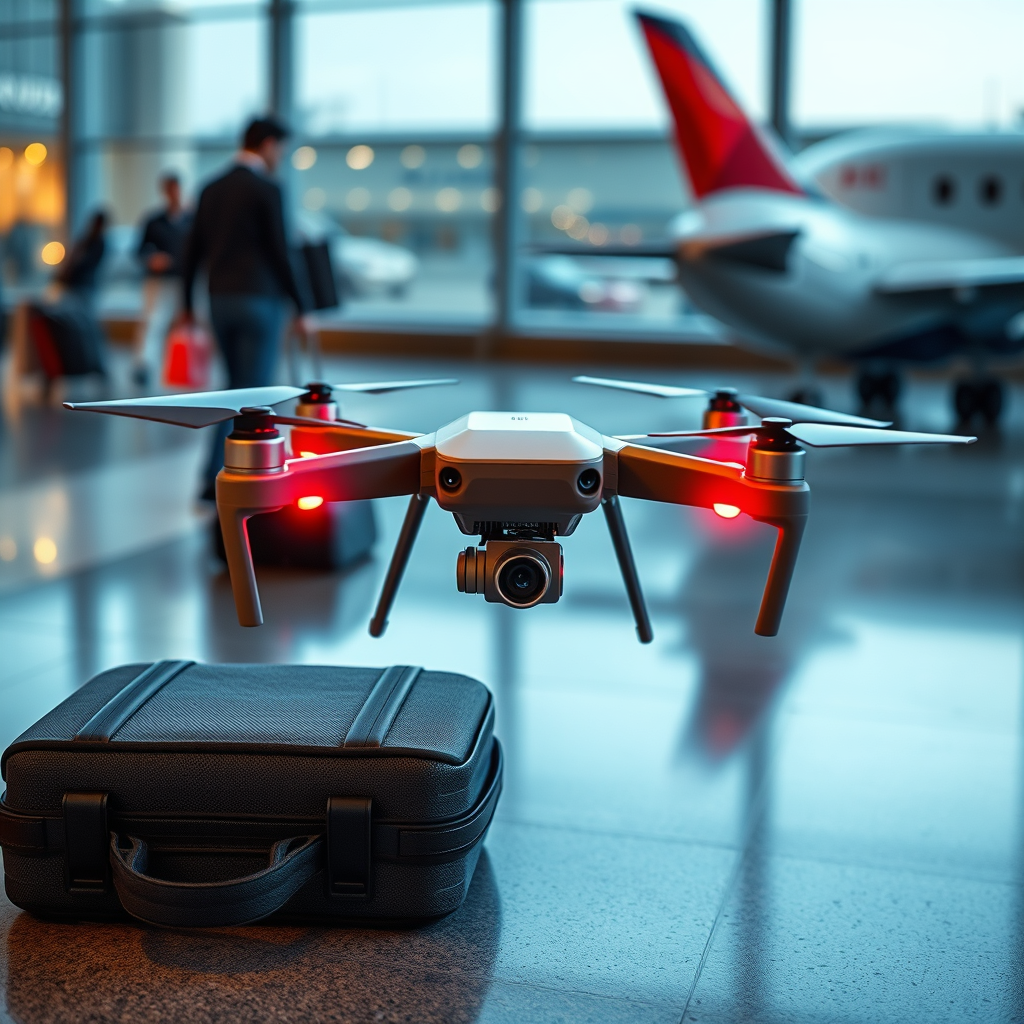
Different airlines have varying policies regarding drones in checked luggage. Some airlines may allow drones in checked baggage, while others have specific restrictions, especially concerning the size and weight of the drone. It is essential to familiarize yourself with each airline’s specific rules before packing your drone. For instance, airlines such as Delta and American Airlines have detailed guidelines listed on their websites, which specify the dimensions and weight limits for checked luggage containing drones.
In cases where airlines do not permit drones in checked luggage, they might allow them in carry-on bags, with additional requirements such as removing the drone during security checks. Always check the specific airline’s website or contact customer service for the latest guidelines to avoid unexpected issues at the airport.
Battery Safety Considerations
Lithium batteries, commonly used in drones, have strict regulations due to fire risks. These batteries can pose significant hazards if not handled properly, which is why transportation regulations are in place. Most airlines follow the guidelines set by the International Air Transport Association (IATA), which specify that lithium-ion batteries with a watt-hour (Wh) rating of over 100 Wh must be carried in carry-on luggage.
To ensure compliance, check your drone’s battery specifications and confirm they meet the airline’s requirements. It is advisable to carry spare batteries in their original packaging or in battery bags designed to reduce fire risks. Additionally, consider removing batteries from the drone and securing them separately, which can help mitigate risks during transit.
Packaging Your Drone for Travel
Using a sturdy case to protect your drone from damage during transit is vital. Many manufacturers offer hard cases specifically designed for drones, which provide shock absorption and protection against rough handling. When packing your drone, ensure that all components, including the propellers and gimbals, are adequately secured and padded.
Consider using foam inserts or bubble wrap to protect fragile components from impact. If you have the original packaging, using it can provide an additional layer of protection. Clearly label your case with your contact information and ensure the case is easy to open for security personnel if required.
Security Screening Procedures
Be prepared to remove your drone from luggage during security checks. Airport security personnel may need to inspect your drone closely, which may require it to be taken out of its case. Familiarizing yourself with the Transportation Security Administration (TSA) or airport security procedures for electronic devices can make this process smoother.
When approaching the security checkpoint, ensure that your drone is easily accessible within your luggage. This will help speed up the process and minimize waiting times. It’s also advisable to arrive at the airport early, allowing ample time for potential additional screening procedures that may be required for your drone.
International Travel Restrictions
Different countries have their own regulations regarding drone usage and importation, which can vary significantly from one destination to another. Some countries may require permits for drone use, while others prohibit drone operations entirely. For instance, countries like Japan and Australia have strict regulations, and failing to comply can lead to fines or confiscation of your equipment.
Before traveling internationally with your drone, it is essential to research local laws and restrictions. Websites like the Federal Aviation Administration (FAA) and the International Civil Aviation Organization (ICAO) provide resources that can guide you in understanding the regulations of your destination. Ensure you have all necessary documentation and permissions ready to avoid confiscation or fines upon arrival.
Insurance and Liability
Checking if your drone is covered by your travel insurance during transit is a crucial step before your journey. Many standard travel insurance policies may not cover loss or damage to electronic devices like drones, so it’s wise to verify your coverage details.
Additionally, consider obtaining specialized drone insurance that covers potential damage or loss while traveling. This type of insurance can provide peace of mind, especially for high-value drones used professionally. Always keep a copy of your insurance policy and any relevant documentation with you during your travels.
Tips for a Smooth Journey
To ensure a smooth journey with your drone, arrive early at the airport to allow time for additional screening. This proactive approach can alleviate the stress of last-minute complications and help manage unexpected delays.
Furthermore, keeping essential drone accessories, such as remote controllers and extra batteries, in your carry-on luggage can facilitate easier access during security checks. This practice not only expedites the process but also ensures that you have everything needed for assembling and using your drone upon arrival at your destination.
In conclusion, while you can put a drone in checked luggage, it’s essential to be aware of airline regulations, battery safety, and packaging requirements. By preparing adequately and following guidelines, you can ensure a hassle-free travel experience with your drone. Understanding and complying with regulations, as well as taking necessary precautions, will enhance your journey and enable you to focus on capturing breathtaking aerial footage at your travel destination.
Frequently Asked Questions
Can I put a drone in checked luggage when flying?
Yes, you can put a drone in checked luggage when flying, but there are specific regulations you must follow. Ensure the drone is properly packed to prevent damage during transit, and check with your airline for their specific policies regarding drones, as some airlines may have restrictions or require you to declare the drone at check-in.
What are the regulations for carrying a drone in checked baggage?
Regulations for carrying a drone in checked baggage typically involve ensuring the drone and its batteries are compliant with airline safety standards. Most airlines allow drones in checked luggage but require that lithium batteries be carried in carry-on baggage due to fire safety concerns. Always review the Transportation Security Administration (TSA) guidelines as well as local laws related to drone transport.
Why is it important to pack a drone correctly in checked luggage?
Packing a drone correctly in checked luggage is crucial to prevent damage from impacts and pressure changes during the flight. A well-padded case can safeguard sensitive components such as propellers and cameras from being crushed or broken. Additionally, proper packing can help you avoid delays at security checks and ensure compliance with airline regulations, ultimately safeguarding your investment.
What should I do if my drone is damaged during flight?
If your drone is damaged during flight, the first step is to document the damage by taking clear photos of both the drone and the packaging. Report the issue to the airline immediately at the airport and file a claim for compensation if necessary. Most airlines have policies in place for handling damaged luggage, but it’s essential to act quickly and provide all necessary documentation for a smoother resolution.
Which drones are best for travel in checked luggage?
When selecting drones for travel in checked luggage, consider compact and foldable models, such as the DJI Mavic Mini or DJI Air 2S, which are designed for portability and ease of packing. These drones often come with protective cases that fit well in luggage, making them ideal for travelers. Always check the drone’s weight and dimensions to ensure compliance with airline baggage limits.
References
- https://www.faa.gov/uas/training_educators/uas_in_schools/
- https://www.tsa.gov/travel/security-screening/whatcanibring/all-articles/drone
- https://www.cnet.com/news/can-you-take-a-drone-on-a-plane-in-your-carry-on-or-checked-bag/
- https://www.abcnews.go.com/US/drone-flying-airport-safety-rules-regulations/story?id=64776669
- https://www.npr.org/2020/10/02/919350481/what-you-need-to-know-about-flying-drones-in-the-u-s
- https://www.wired.com/story/flying-drone-checked-luggage/
- https://www.theguardian.com/technology/2021/may/31/what-happens-if-you-take-a-drone-on-a-plane
- https://www.usa.gov/elected-officials
