

Drone obstacle avoidance systems are crucial for safe navigation, and this comprehensive review reveals which technology outperforms the rest in urban environments. With a focus on sensor types and algorithms, we determine that LiDAR-based systems consistently provide superior obstacle detection and response times. For those operating in complex settings, understanding these distinctions can significantly enhance flight safety and efficiency.
Drones equipped with advanced obstacle avoidance technology can significantly enhance flying safety and efficiency. These systems utilize an array of sensors and algorithms to navigate complex environments, reducing the risk of collisions. In this article, we will explore various drone models that excel in avoiding obstacles, discuss the technology behind them, and provide insights into their performance and usability.
Understanding Obstacle Avoidance Technology
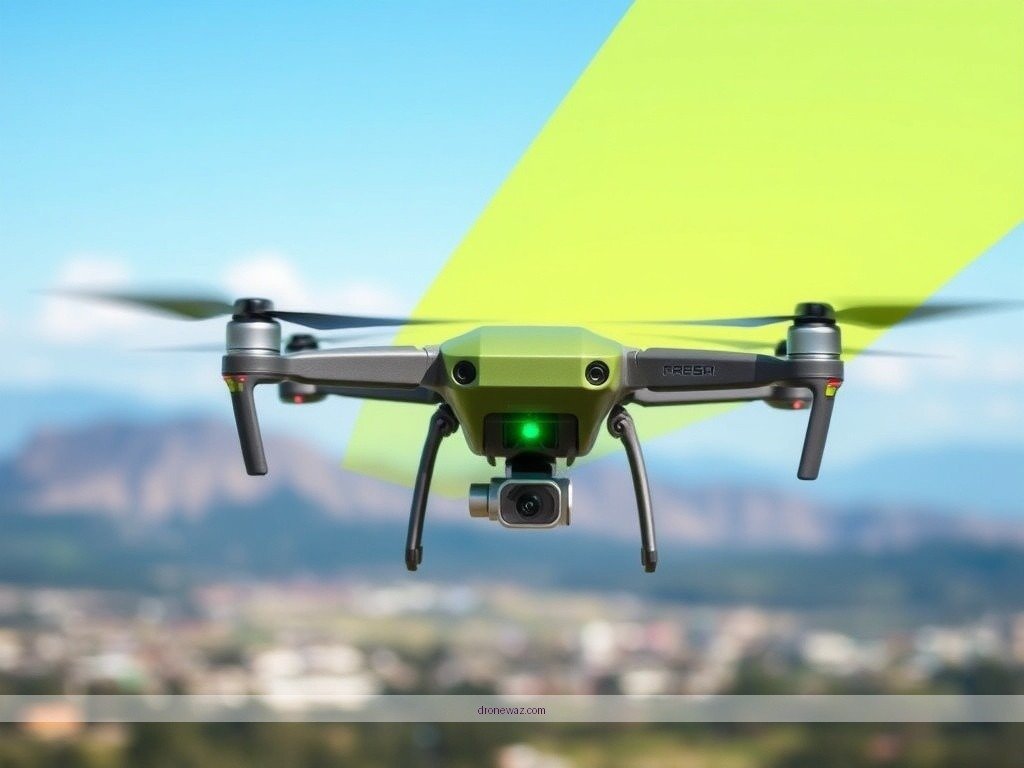
Obstacle avoidance technology in drones relies on a combination of sensors and sophisticated algorithms to detect and respond to potential obstacles in real-time. The primary goal of these systems is to enable drones to autonomously navigate through challenging environments without the risk of collisions.
How Obstacle Avoidance Systems Work
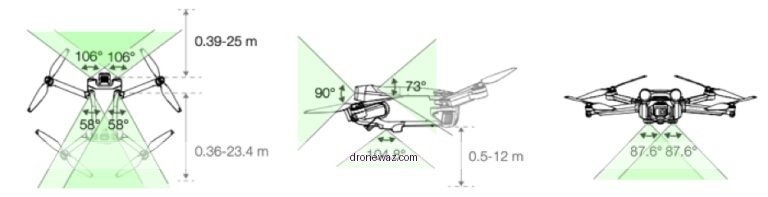
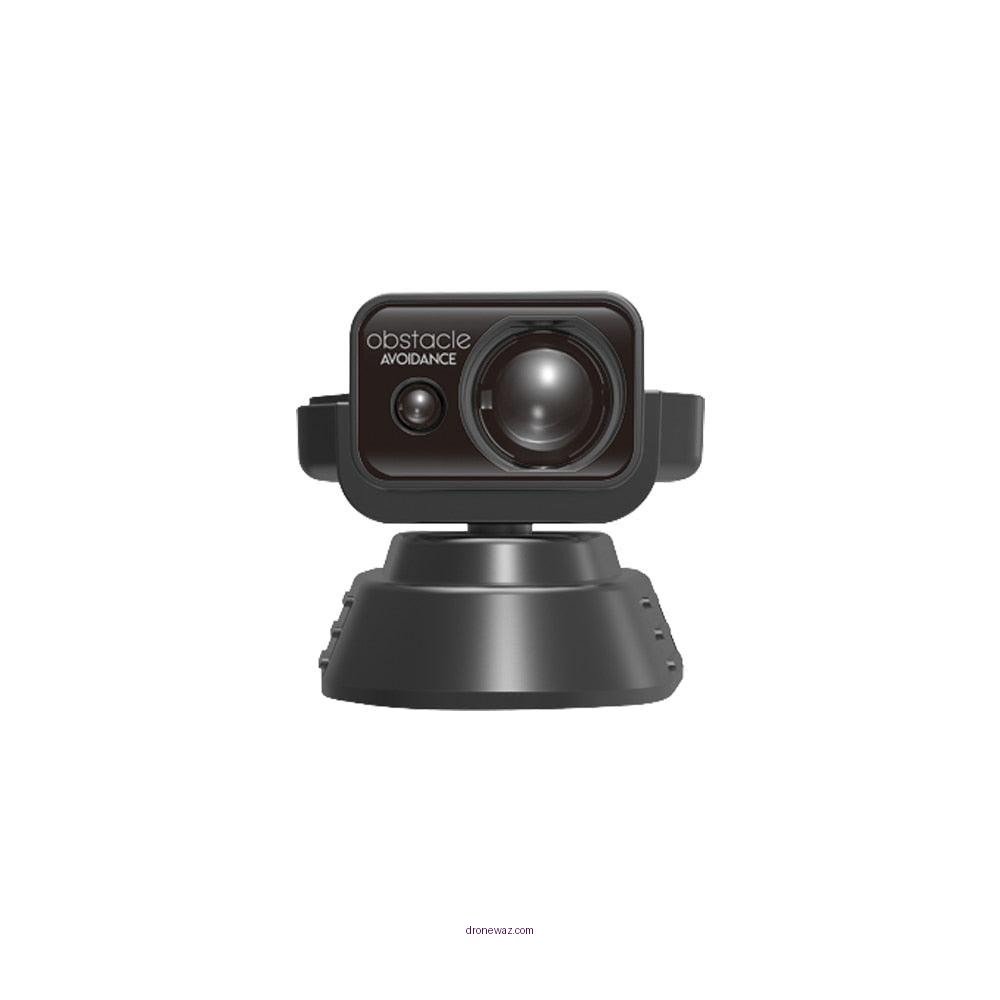
At the core of obstacle avoidance technology is the integration of multiple sensors that gather data about the drone’s surroundings. These sensors include ultrasonic sensors, infrared sensors, and visual cameras. The data collected is processed using algorithms that interpret the environment, allowing the drone to make informed decisions about its flight path.
– Ultrasonic Sensors: These sensors emit sound waves and measure the time it takes for the echo to return. They are effective for short-range obstacle detection, typically within a range of a few meters.
– Infrared Sensors: These sensors detect heat and can identify obstacles based on temperature differences. They are useful in various lighting conditions but may struggle in direct sunlight.
– Visual Cameras: Equipped with advanced image processing capabilities, cameras can identify and track obstacles by analyzing visual data. They provide detailed information about the environment, enabling the drone to navigate complex scenarios.
The combination of these sensors creates a robust system that enhances situational awareness, allowing drones to avoid obstacles effectively.
Top Drones with Obstacle Avoidance Features
Several drone models are renowned for their exceptional obstacle avoidance capabilities. Below is a review of some of the most popular drones equipped with this technology, along with a comparison of their specifications.
Comparison of Drones with Obstacle Avoidance
Top Drones with Obstacle Avoidance (2024)
| # | Drone Model | Obstacle Avoidance Range | Camera Quality | Flight Time |
|---|---|---|---|---|
| 1 | DJI Mavic Air 2 | Up to 30 m | 48 MP | 34 min |
| 2 | Autel Robotics EVO Lite+ | Up to 30 m | 50 MP | 40 min |
| 3 | Skydio 2 | Up to 50 m | 12 MP | 23 min |
| 4 | Parrot Anafi USA | Up to 20 m | 32 MP | 32 min |
| 5 | DJI Mini 2 | Up to 20 m | 12 MP | 31 min |
| 6 | Yuneec Typhoon H Plus | Up to 30 m | 20 MP | 25 min |
| 7 | Holy Stone HS720 | Up to 15 m | 12 MP | 26 min |
Performance in Real-World Scenarios
User experiences and case studies provide valuable insights into how drones equipped with obstacle avoidance technology perform in various environments. For instance, the Skydio 2 is frequently praised for its capability to navigate complex urban landscapes, effectively avoiding pedestrians, vehicles, and buildings. Users report that it can autonomously navigate around obstacles while capturing high-quality footage, making it a favorite among content creators.
Similarly, the DJI Mavic Air 2 has received positive feedback for its performance in outdoor settings, such as forests and parks. Users have noted that the drone effectively avoids trees and branches, allowing for smooth flight paths even in dense areas.
However, it’s essential to recognize that obstacle avoidance systems are not infallible. In some cases, these drones may struggle with low-contrast obstacles or in environments with rapid changes, such as crowded events or dynamic terrains.
Limitations of Obstacle Avoidance Systems
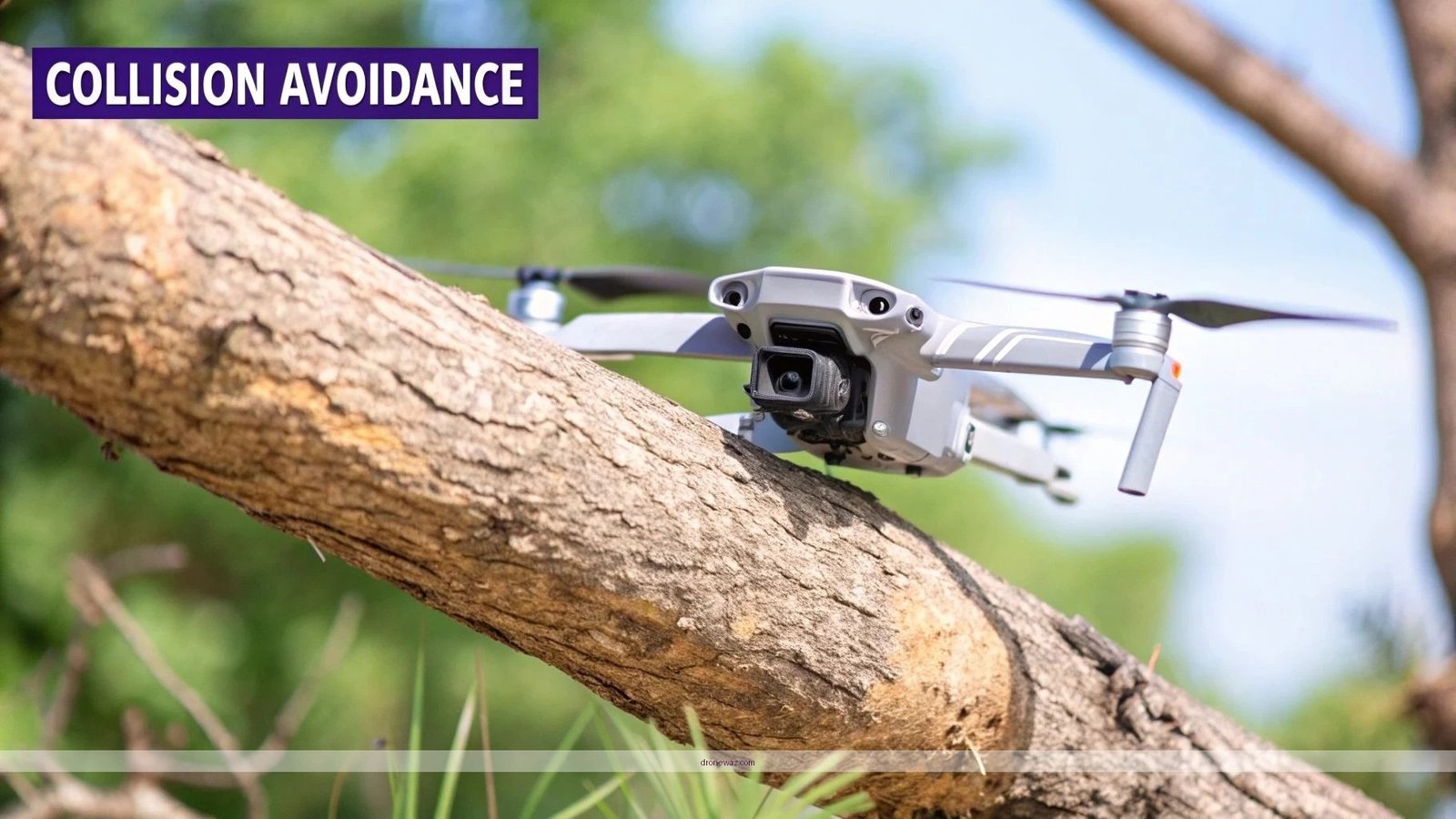
While obstacle avoidance technology has advanced significantly, certain limitations still exist that users should be aware of. One primary concern is that these systems may fail in specific scenarios. For example, in low-light conditions or when flying at high speeds, drones may not detect obstacles accurately. Additionally, reliance on these systems can lead to complacency among pilots, resulting in potential oversights when manual intervention is necessary.
Moreover, not all obstacles are created equal. Thin wires, small branches, or rapidly moving objects may evade detection, potentially leading to collisions. Pilots should remain vigilant and be prepared to take manual control of the drone when necessary.
Tips for Choosing the Right Drone
When selecting a drone with obstacle avoidance capabilities, several factors should be considered:
1. Purpose of Use: Determine whether the drone will be used for recreational purposes, such as casual flying and photography, or for professional applications like surveying and filmmaking.
2. Obstacle Avoidance Range: Analyze the obstacle avoidance range offered by different models. A higher range may be preferable for complex environments.
3. Camera Quality: Assess the camera specifications to ensure that the drone meets your imaging needs, particularly if you plan to use it for professional content creation.
4. Flight Time: Consider the battery life and flight time of the drone, as these factors will impact how long you can operate it in the field.
5. User Reviews: Look for detailed user reviews and case studies to gauge the performance and reliability of the drone’s obstacle avoidance system.
Future Trends in Drone Obstacle Avoidance
The landscape of drone technology is rapidly evolving, with several emerging trends poised to shape the future of obstacle avoidance systems. Innovations such as artificial intelligence (AI) and machine learning are set to enhance the capabilities of these systems, allowing drones to better understand and interpret their surroundings.
Additionally, the integration of LiDAR technology promises to improve obstacle detection accuracy, especially in challenging environments. LiDAR-equipped drones can create detailed 3D maps of their surroundings, providing a comprehensive understanding of spatial relationships.
As these technologies continue to develop, we can expect to see even more sophisticated obstacle avoidance systems that enhance safety and usability for both hobbyists and professionals.
Incorporating obstacle avoidance technology in drones enhances safety and usability, making them ideal for both hobbyists and professionals. By understanding the various features and limitations, you can make an informed decision on the best drone for your needs. Explore reputable retailers or online platforms to find the right model that fits your requirements and enjoy safer flying experiences!
Frequently Asked Questions
What are the best drones with obstacle avoidance features?
The best drones with obstacle avoidance features include the DJI Mavic Air 2, DJI Mini 2, and the Autel Robotics EVO Lite+. These drones utilize advanced sensors and AI technology to detect and navigate around obstacles, making them ideal for both beginners and experienced pilots looking for enhanced safety during flights.
How does obstacle avoidance technology work in drones?
Obstacle avoidance technology in drones typically relies on a combination of ultrasonic sensors, cameras, and advanced algorithms. These components work together to detect obstacles in the drone’s path and calculate the safest route to avoid collisions, allowing for smoother and safer flights in complex environments.
Why is obstacle avoidance important for drone pilots?
Obstacle avoidance is crucial for drone pilots as it significantly reduces the risk of crashes and damages to both the drone and surrounding property. It enhances the overall flying experience by allowing pilots to focus on capturing high-quality footage without constantly worrying about potential collisions.
Which features should I look for in a drone with obstacle avoidance?
When selecting a drone with obstacle avoidance, look for features such as multi-directional sensors, real-time obstacle detection, and intelligent flight modes. Additionally, consider the drone’s flight range, battery life, and ease of use, as these factors can enhance your flying experience.
How can I improve the obstacle avoidance performance of my drone?
To improve the obstacle avoidance performance of your drone, ensure that all sensors are clean and free from obstructions, and regularly update the drone’s firmware to access the latest software improvements. Additionally, practice flying in various environments to help the drone’s systems adapt and perform better in real-world conditions.
