

Most small drones can fly for approximately 20 to 30 minutes on a single battery charge. However, flight time can vary significantly based on several factors, including the drone’s weight, battery capacity, and environmental conditions. Understanding these elements can help you maximize your drone’s flying time and enhance your overall flying experience, whether you are using the drone for recreational purposes, photography, or professional applications.
Battery Capacity and Type
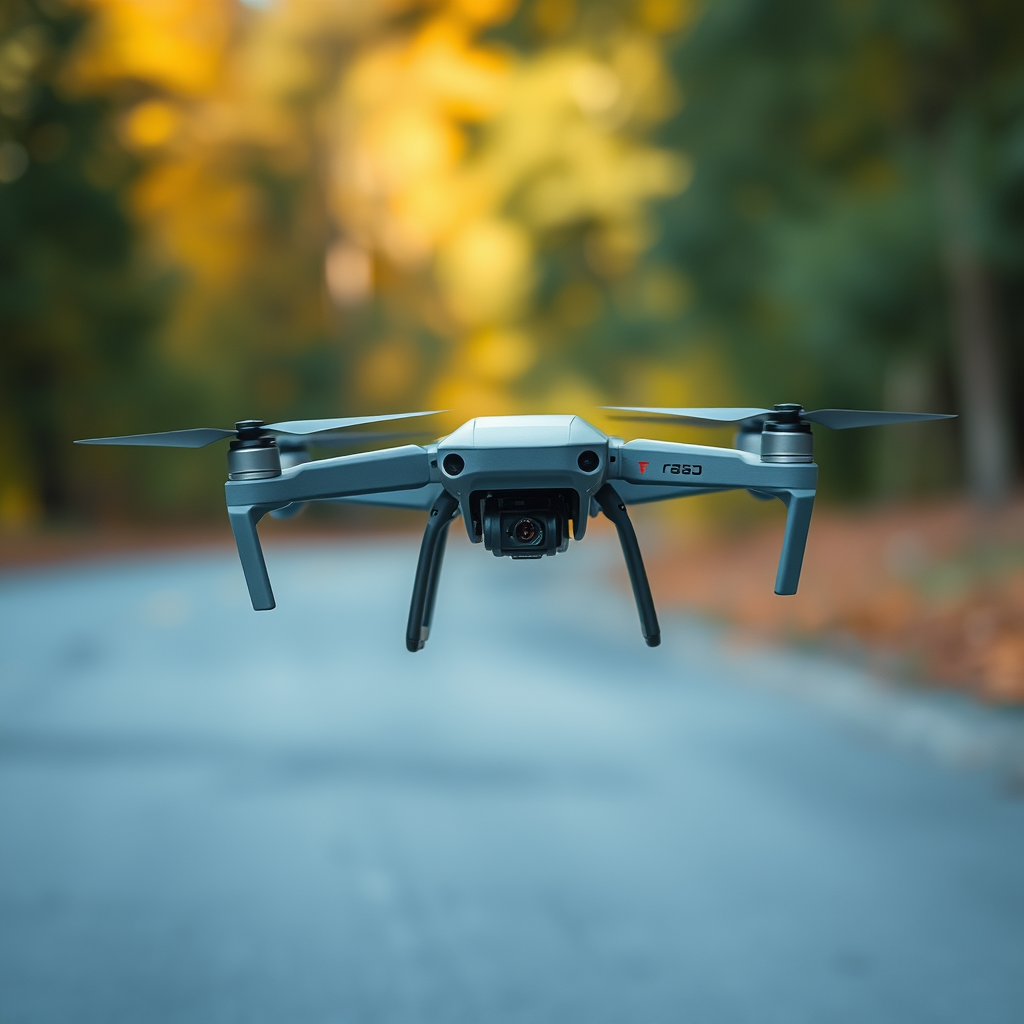
The battery is arguably the most critical component influencing flight duration in small drones. The capacity of a drone’s battery, usually measured in milliampere-hours (mAh), directly correlates with how long the drone can remain airborne. Larger batteries generally provide longer flight times, but they also add weight, which can create a trade-off in performance.
Lithium Polymer (LiPo) batteries are commonly used in small drones due to their high energy density and efficient discharge rates. For instance, a typical 3S 2200mAh LiPo battery can deliver a flight time of around 20 minutes on many quadcopters. However, advancements in battery technology are leading to the development of more efficient power sources. For example, a drone equipped with a high-capacity LiPo battery, like a 5000mAh, can achieve flight times of up to 30 minutes under optimal conditions.
When selecting a drone, consider not only the battery capacity but also the type of battery it utilizes. Some drones now offer smart battery systems that monitor health and charge status, enhancing reliability and flight time management.
Drone Weight and Design
The weight and design of a drone play significant roles in determining its flight duration. Heavier drones may experience reduced flight times due to increased power consumption as the motors work harder to lift the added weight. For example, a drone weighing 2 kg will consume more battery power than a 1 kg drone, all else being equal.
Aerodynamic designs can enhance efficiency and, in turn, extend flight duration. Drones with sleek profiles and optimized propeller configurations require less energy to maintain altitude, which can significantly improve flight times. Manufacturers increasingly focus on reducing weight through the use of lightweight materials such as carbon fiber and high-strength plastics. As a result, modern drones are often designed to maximize lift while minimizing drag, allowing for longer flight times.
Moreover, the distribution of weight is also crucial. Drones that maintain a balanced center of gravity are likely to perform better in the air, allowing for more efficient use of battery power.
Environmental Conditions
Environmental conditions can have a substantial impact on drone performance and battery usage. Wind speed, temperature, and humidity all play a role in determining how long a drone can fly. For instance, flying in windy conditions forces the drone to expend extra energy to maintain stability and altitude, which can lead to quicker battery drain.
Rain or snow can also affect flight performance, as moisture can increase drag and reduce lift. Pilots are encouraged to check weather conditions before flying, as calm, stable weather typically yields better flight times.
Temperature also affects battery performance. LiPo batteries are sensitive to extreme temperatures; performance can degrade in very cold or hot conditions. Studies have shown that flying in temperatures below 10°C (50°F) can significantly reduce battery efficiency. Therefore, flying during moderate temperatures is advisable to maximize flight duration.
Flight Mode and Usage
Different flight modes and styles of flying can also impact how long a small drone can stay in the air. For example, many drones come equipped with various flight modes, such as sport mode, which prioritizes speed and agility but can lead to increased battery consumption. In contrast, standard or eco modes are designed for efficiency, allowing for longer flight durations by limiting the drone’s maximum speed and aggressive maneuvers.
It is important to consider how you use your drone. Constant maneuvers or aggressive flying, such as rapid ascents or sharp turns, can lead to quicker battery drain. More efficient flying techniques, including smooth turns and gradual ascents, can prolong flight times. Additionally, utilizing features like GPS hold can help stabilize the drone, allowing it to hover in place and conserve battery life.
Maintenance and Upkeep
Regular maintenance and upkeep of your drone can significantly influence its flight time. One of the key aspects to consider is the health of the battery. Over time, LiPo batteries can degrade, losing their ability to hold a charge effectively. Regularly checking battery health, including ensuring the cells are balanced, can prolong flight duration and improve overall performance.
Additionally, ensuring that propellers are clean and intact is crucial for maintaining efficiency. Dirt, debris, or damage to propellers can increase drag and reduce lift, leading to higher power consumption. Regular inspections and timely replacements of worn or damaged components can maximize your drone’s flying capabilities.
Furthermore, keeping the drone’s motors clean and well-lubricated can enhance performance. Dust and debris can create friction, causing the motors to work harder, which in turn drains the battery faster.
Upgrades and Enhancements
For those looking to extend flight times, considering upgrades and enhancements can be beneficial. Upgrading to higher-capacity batteries is one effective method. Many consumer drones allow for battery swaps, enabling you to choose batteries that provide longer flight times without compromising weight limits.
Additionally, using lightweight accessories can help reduce overall drone weight. For instance, opt for smaller cameras or lightweight mounts if your drone is equipped for aerial photography. This reduction in weight can lead to improved flight times, allowing for more extended aerial exploration.
Moreover, consider software upgrades or modifications that might enhance battery efficiency. Some drones offer firmware updates that can improve power management features or overall performance.
In conclusion, while small drones typically fly for 20 to 30 minutes, several factors influence this duration. By considering battery capacity, weight, environmental conditions, and maintenance, you can enhance your flying experience. Make sure to choose the right drone for your needs and always be mindful of how you fly to maximize your drone’s potential. With the right knowledge and practices, you can enjoy longer and more efficient flights, making the most out of your drone adventures.
Frequently Asked Questions
How long can a small drone typically fly on a single charge?
The flight time of a small drone generally ranges from 10 to 30 minutes on a single battery charge, depending on the model and battery capacity. Entry-level drones often have shorter flight times, around 10 to 15 minutes, while higher-end models with larger batteries can achieve flight times of up to 30 minutes or more. Factors such as weight, weather conditions, and flying style can also impact overall flight duration.
What factors affect the flight time of a small drone?
Several factors can influence how long a small drone can fly, including battery size, weight of the drone, weather conditions (like wind and temperature), and how aggressively the drone is flown. For instance, flying in windy conditions or performing rapid maneuvers can drain the battery faster, reducing overall flight time. Additionally, the type of drone and its intended use—such as recreational flying versus aerial photography—can also play a role in its flight duration.
Why do small drones have limited flight times compared to larger drones?
Small drones typically have limited flight times due to their smaller battery capacities and lightweight designs, which prioritize portability over endurance. Larger drones can accommodate bigger batteries, allowing for longer flight times, but they are not as convenient for casual users. Moreover, small drones are often designed for ease of use and affordability, making them more accessible to hobbyists but less optimized for extended flying.
What is the best small drone for long flight times?
When looking for a small drone with long flight times, models like the DJI Mini 2 and the Holy Stone HS720 are highly recommended. The DJI Mini 2 offers up to 31 minutes of flight time, while the HS720 provides about 26 minutes. Both drones combine excellent performance with portability, making them ideal for users seeking extended flying durations without sacrificing ease of transport.
How can I extend the flight time of my small drone?
To extend the flight time of your small drone, consider investing in additional batteries and swapping them out during your flight sessions. Additionally, flying in optimal weather conditions, avoiding aggressive maneuvers, and keeping the drone free from unnecessary weight can help prolong battery life. Regular maintenance, such as ensuring propellers are clean and properly adjusted, can also contribute to improved flight efficiency.
References
- https://en.wikipedia.org/wiki/Drone
- https://www.faa.gov/uas/getting_started/part_107
- https://www.ncbi.nlm.nih.gov/pmc/articles/PMC7302097/
- https://www.reuters.com/technology/drone-operations-are-restricted-us-2020-12-10/
- https://www.abc.net.au/news/2021-01-18/how-long-do-drones-fly/13063256
- https://www.nytimes.com/2021/06/17/business/drone-delivery.html
- https://www.sciencedirect.com/science/article/pii/S221457451830161X
- https://www.theguardian.com/technology/2020/sep/21/drones-delivery-technology-2020
- https://www.nasa.gov/centers/armstrong/news/FactSheets/FS-050-DFRC.html
