

Drones can typically fly for 20 to 30 minutes on a single battery charge, but this duration can vary significantly based on several factors. Understanding these variables not only helps users maximize flight time but also enables them to choose the right drone for their specific needs. In this article, we will delve into the key factors that influence a drone’s flight duration, providing insights into how to optimize performance for various applications.
Battery Life and Capacity
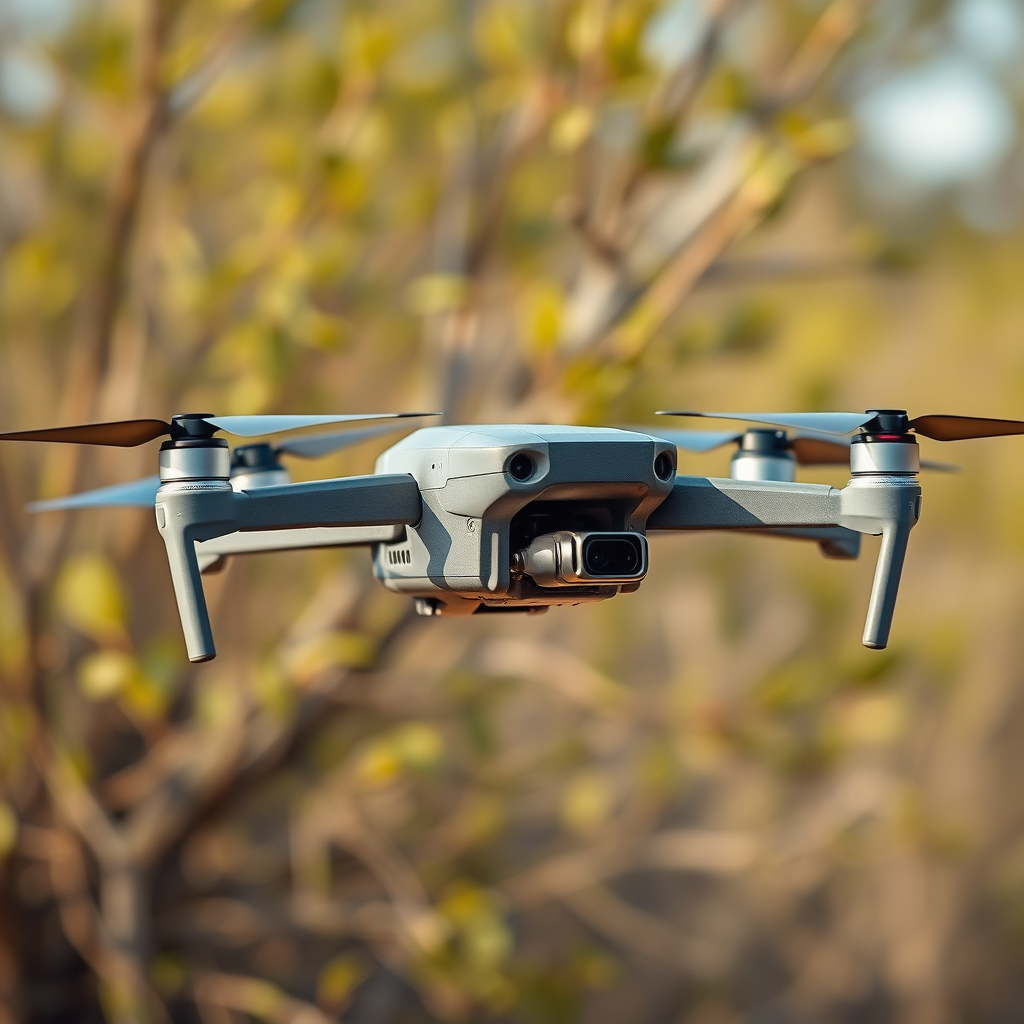
The type of battery used in a drone plays a pivotal role in determining its flight duration. Most consumer drones utilize lithium polymer (LiPo) batteries due to their high energy density, lightweight nature, and ability to deliver substantial power in a compact form. In contrast, lithium-ion (Li-ion) batteries are often found in drones designed for longer operational times, such as those used in commercial applications. While Li-ion batteries offer longer life cycles and better thermal stability, they generally don’t provide the same instantaneous power as LiPo batteries, which can affect performance during demanding maneuvers.
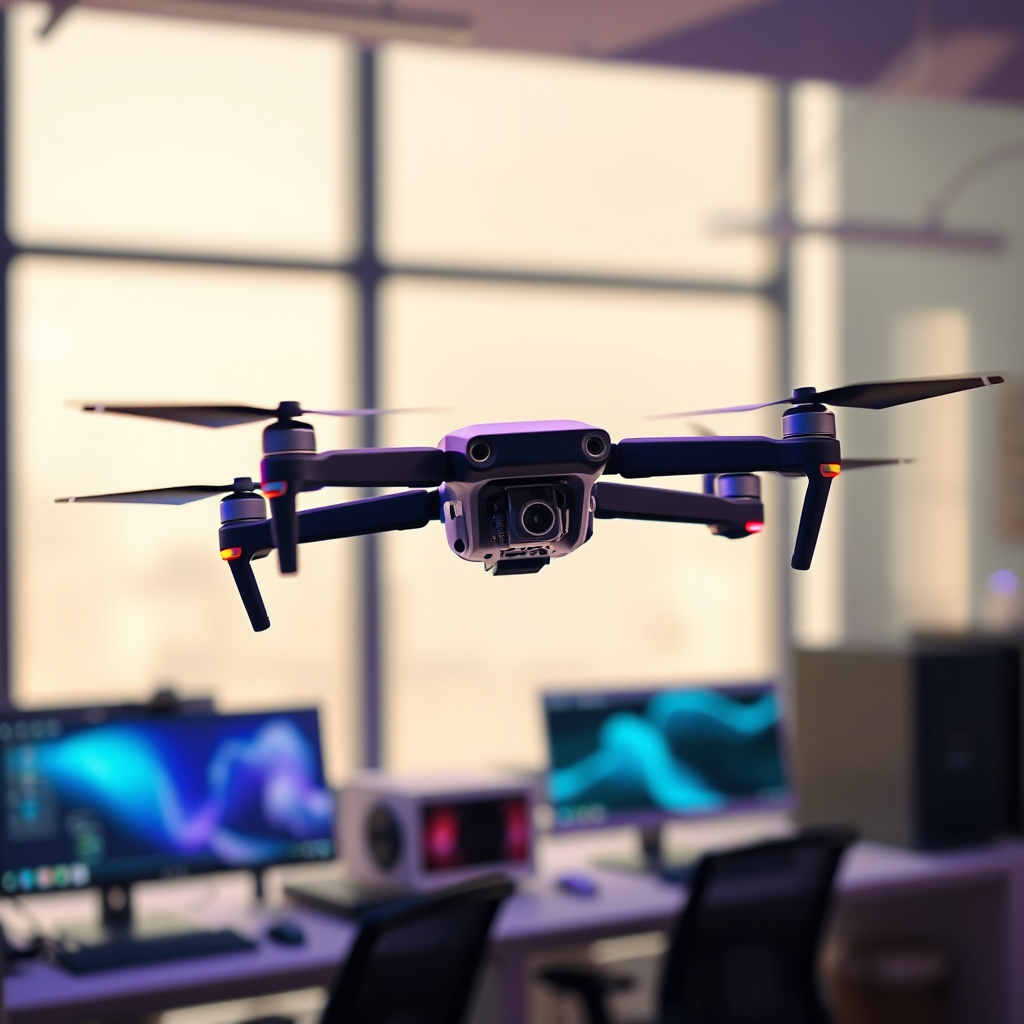
Battery capacity, measured in milliampere-hours (mAh), also significantly influences how long a drone can stay airborne. Drones equipped with higher capacity batteries can achieve extended flight times but come with the trade-off of added weight. For example, a drone with a 3000 mAh battery may fly for approximately 25 minutes, while a drone with a 5000 mAh battery can extend that flight time to around 35 minutes, bearing in mind the increase in weight.
Additionally, users should consider the battery’s age and health, as older batteries may not hold a charge as efficiently, resulting in decreased flight times. Regularly monitoring battery health and following proper charging protocols can ensure optimal performance.
Drone Weight and Design
The overall weight of a drone is a crucial factor affecting its flight time. Heavier drones require more energy to maintain altitude and stability, which can lead to a quicker depletion of battery life. For instance, a drone designed for heavy payloads, such as those used in agricultural monitoring or surveying, will likely have a reduced flight time compared to lighter recreational drones.
Moreover, the design and aerodynamics of a drone can greatly influence its efficiency. Drones with streamlined designs reduce drag and improve airflow, allowing for more efficient flight. For instance, racing drones prioritize aerodynamic shapes to achieve high speeds while minimizing energy consumption. On the other hand, drones designed for aerial photography might strike a balance between weight and stability, allowing for longer flight times while still carrying essential camera equipment.
To maximize flight time, users should consider both the weight of additional payloads and the design features of the drone. Lightweight materials, such as carbon fiber, can help reduce overall weight while maintaining structural integrity.
Environmental Conditions
Environmental factors can significantly impact a drone’s flight performance and battery life. Windy conditions can create turbulence, causing the drone to expend more energy to maintain stability and position. For example, a drone flying against a strong headwind may require increased power to maintain its altitude, leading to quicker battery depletion.
Weather conditions also play a role; cold temperatures can adversely affect battery efficiency. Lithium batteries tend to lose voltage in colder environments, which can shorten flight time. It is advisable for drone operators to check the local weather forecast before flying and adjust their expectations accordingly. In general, flying in mild conditions with low wind and moderate temperatures will yield the longest flight durations.
When planning a flight, users should also be aware of potential obstacles in the environment, such as trees or buildings, which may require increased maneuvering and energy expenditure, further impacting battery life.
Flight Style and Maneuvering
The manner in which a drone is flown can significantly affect its battery consumption. Aggressive flying styles, such as rapid ascents, sharp turns, and rapid descents, can drain the battery much faster than a smooth and steady flying approach. For instance, a drone performing aerobatic maneuvers will consume energy at a higher rate compared to a drone cruising at a consistent altitude and speed.
To optimize flight time, operators should adopt a more conservative flying style, particularly when aiming to maximize the duration of a single charge. Smooth, gradual movements not only conserve battery life but also enhance the overall stability and control of the drone.
Moreover, if the drone is equipped with intelligent flight modes, such as “return to home” or “follow me,” these features can help automate some maneuvers and conserve battery life by allowing the drone to operate efficiently without constant manual input.
Drone Type and Purpose
The type of drone being used plays an essential role in determining flight times. Racing drones, designed for speed and agility, are typically optimized for performance rather than prolonged flight durations. These drones can often stay airborne for only 5 to 10 minutes due to their high power requirements and lightweight design.
In contrast, drones designed for specific purposes, such as aerial photography, surveying, or agriculture, often strike a balance between weight, battery capacity, and flight time. Aerial photography drones, for example, typically feature larger batteries and are built to carry additional equipment, allowing for flight durations of 20 to 30 minutes on average.
When selecting a drone, it is crucial to consider the intended application. Users should assess the specific requirements of their tasks, such as the need for long flight durations or the capacity to carry heavy equipment, to choose a drone that aligns with their operational needs.
Maintenance and Upkeep
Regular maintenance and proper care of a drone can have a direct impact on its performance and flight duration. One of the most critical components to monitor is the battery. Ensuring that the battery is in good condition, properly charged, and stored at optimal temperatures can prolong its lifespan and maintain flight efficiency.
Additionally, keeping the drone clean from debris, dirt, and dust will help ensure that all components are functioning optimally. Regular checks of the propellers, motors, and electronic components can help identify any potential issues before they affect flight performance.
Furthermore, operators should follow manufacturer guidelines for battery storage, charging, and usage to avoid damaging the battery or reducing its capacity. By maintaining the drone and its components, users can achieve better performance and longer flight times.
In summary, while most drones have a flight time of 20 to 30 minutes, various factors such as battery type, weight, environmental conditions, and flying style can significantly influence this duration. Understanding these elements can help you choose the right drone and optimize your flying experience. By considering battery life, drone design, and maintenance practices, operators can enhance their overall efficiency and enjoy extended flight times in diverse applications.
Frequently Asked Questions
What factors determine how long a drone can stay in the air?
The flight duration of a drone is influenced by several factors, including battery capacity, the weight of the drone, flying conditions (such as wind speed and temperature), and how the drone is operated. Generally, consumer drones can fly between 20 to 30 minutes on a single battery charge, while professional drones may offer longer flight times due to more advanced battery technologies and optimized energy consumption.
How can I extend the flight time of my drone?
To extend your drone’s flight time, consider using high-capacity batteries, ensuring your drone is lightweight by minimizing additional payload, and flying in optimal weather conditions. Additionally, flying at a consistent speed rather than rapid ascents or descents can help conserve battery life and maximize your drone’s air time.
Why do some drones have shorter flight times than others?
The flight time of a drone largely depends on its design and intended use. Smaller, toy-grade drones typically have shorter flight times due to smaller batteries and lighter construction, while larger, professional drones are built with more powerful batteries and energy-efficient motors, allowing for longer flights. Additionally, features like camera weight and onboard technology can impact overall flight duration.
What is the best drone for long flight times?
If you are looking for a drone with long flight times, models like the DJI Mavic Air 2 and the Autel Robotics EVO Lite+ are excellent choices, boasting flight durations of up to 34 and 40 minutes respectively. These drones are equipped with advanced battery technology and efficient motors, making them ideal for aerial photography, videography, and long-distance surveillance.
Which drone accessories can help improve flight duration?
Several accessories can enhance your drone’s flight duration, including high-capacity batteries, battery management systems, and lightweight propellers designed for efficiency. Additionally, using a drone with a power bank or portable charging station can allow for quick battery swaps during extended flying sessions, ensuring you get the most out of your drone’s capabilities.
References
- https://en.wikipedia.org/wiki/Drone
- https://www.faa.gov/uas/
- https://www.nytimes.com/2022/03/04/technology/drones-research.html
- https://www.bbc.com/future/article/20210610-how-long-can-drones-fly
- https://www.sciencedirect.com/science/article/pii/S2352864821000271
- https://www.ncbi.nlm.nih.gov/pmc/articles/PMC6587181/
- https://www.darpa.mil/program/gremlins
- https://www.wired.com/story/how-drones-fly-longer/
