

Drones can typically carry payloads ranging from a few grams to several hundred kilograms, depending on their size and design. This variability is crucial for determining which drone is best suited for specific applications, such as photography, delivery services, or industrial tasks. Understanding the factors that influence a drone’s carrying capacity can help users select the right model for their needs and maximize efficiency in their operations.
Understanding Drone Payload Capacity
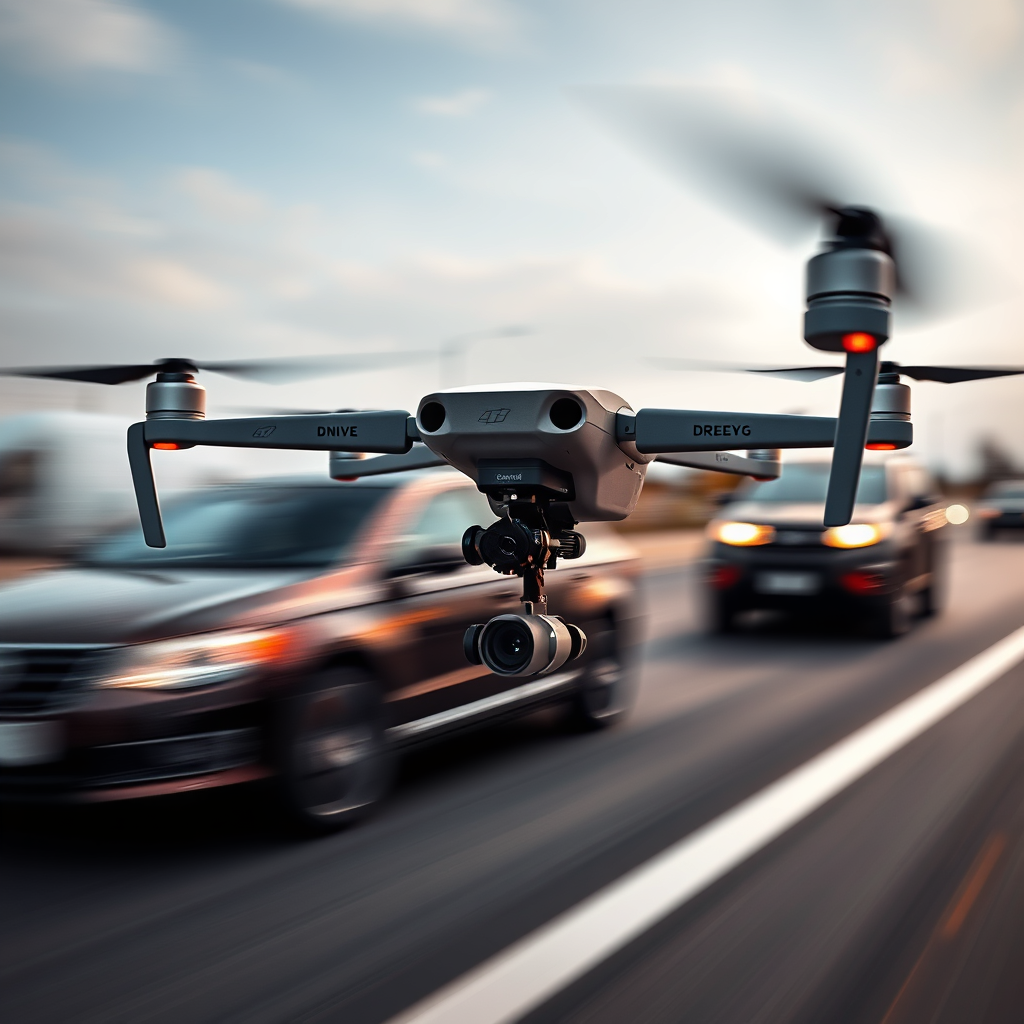
Payload capacity refers to the maximum weight a drone can carry in addition to its own weight. It is a critical specification that directly impacts the drone’s usability across various applications. The importance of payload capacity cannot be overstated, as it determines the type of equipment or materials that can be transported, influencing operational efficiency and effectiveness.
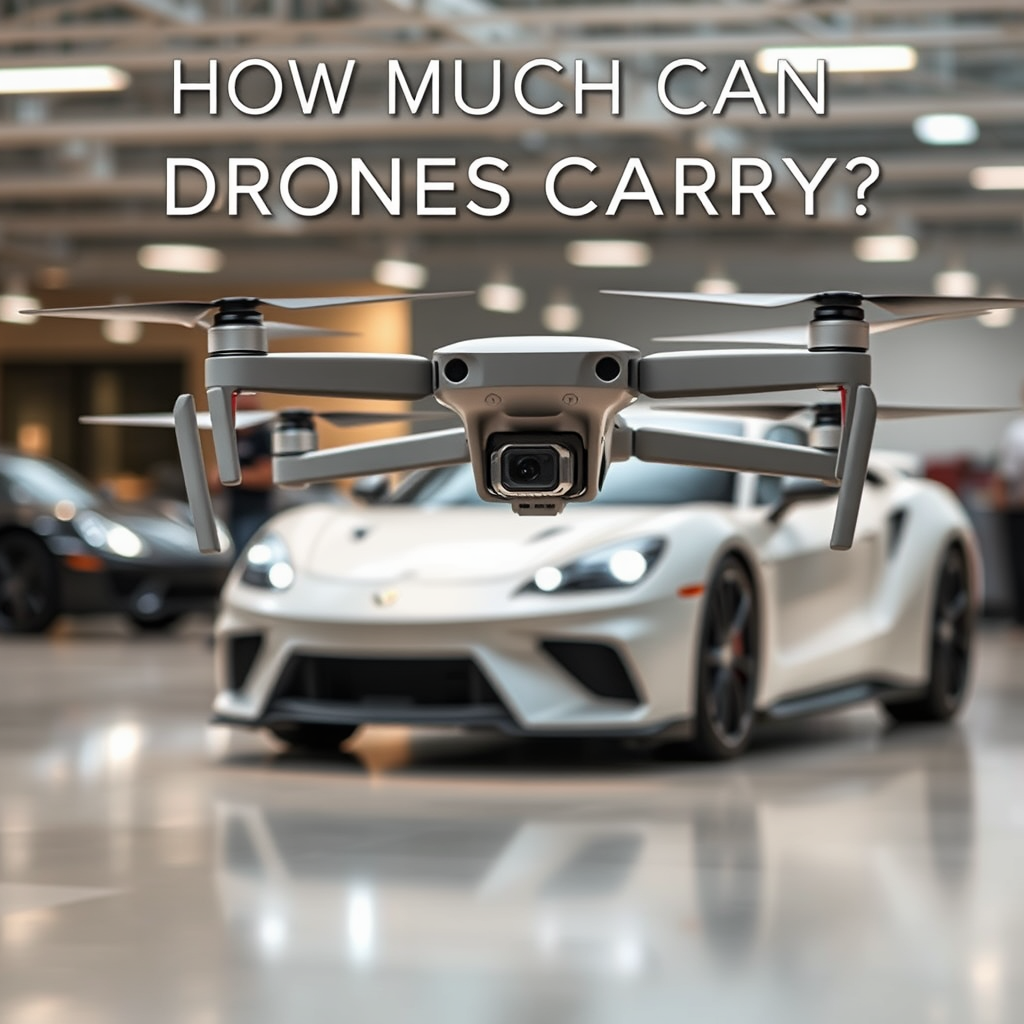
Several factors affect a drone’s payload capacity, primarily its size and motor strength. Larger drones generally have a greater payload capacity due to their more robust construction and powerful motors. For instance, consumer drones like the DJI Phantom series typically have a payload capacity of around 1-2 kilograms, making them suitable for carrying small cameras or accessories. In contrast, commercial-grade drones, such as the DJI Matrice 600, can handle payloads of up to 6 kilograms, allowing for the transport of specialized equipment like high-end cameras or sensors.
Types of Drones and Their Carrying Capacities
Drones can be categorized into various types based on their intended use, and each type has different carrying capacities.
Consumer Drones
Consumer drones, often used for recreational purposes, photography, and videography, generally have lower payload capacities. The average payload for these drones typically ranges from 0.5 to 2 kilograms. For example, the DJI Mavic Air can carry around 0.6 kilograms, making it suitable for lightweight cameras or small accessories. Enthusiasts often use these drones for capturing stunning aerial imagery, but their limited payload capacity restricts their utility for more demanding tasks.
Commercial Drones
On the other hand, commercial drones are designed for industrial applications and can carry significantly heavier payloads. These drones, such as the senseFly eBee X or the DJI Matrice series, can support payloads from 5 kilograms to over 20 kilograms. This capacity enables them to transport essential equipment for surveying, mapping, and even package delivery. For instance, companies like Zipline use drones capable of carrying medical supplies over long distances, showcasing the practical implications of high payload capacities in real-world scenarios.
Factors Influencing Drone Carrying Capacity
Several factors influence a drone’s carrying capacity beyond its size and motor strength, including battery life and weight, as well as design and materials.
Battery Life and Weight
The battery life of a drone is crucial, as it affects the overall weight and operational time. A drone must balance its payload with the weight of the battery; a heavier battery can reduce the total carrying capacity. For example, a drone with a powerful battery might be able to carry more weight, but if the battery itself is too heavy, it can limit the overall payload. Therefore, manufacturers continually seek lighter, more efficient battery technologies to improve performance. Lithium polymer (LiPo) batteries are commonly used for their lightweight and high energy density, allowing drones to maximize their carrying capacity.
Design and Materials
The design and materials used in a drone’s construction also play a significant role in determining its payload capacity. Lightweight materials, such as carbon fiber or advanced plastics, help reduce the drone’s own weight, allowing it to carry more without compromising stability or performance. For instance, drones designed with a modular structure can often adapt to different payloads by adjusting their configurations, enhancing their versatility across various applications.
Regulations and Limitations
Regulatory frameworks govern the maximum weight limits for drones, particularly in commercial applications. The Federal Aviation Administration (FAA) in the United States imposes strict regulations on drone weight, which includes both the drone and its payload. For commercial use, the maximum weight limit is typically set at 55 pounds (approximately 25 kilograms). These regulations ensure safety and compliance with airspace rules, making it essential for operators to understand them before deploying drones for commercial purposes.
In addition to national regulations, local laws may impose further restrictions on drone operations, including limitations on payloads based on the environment or specific use cases. Operators must be well-informed about these regulations to ensure legal compliance, which can affect operational planning and payload decisions.
Practical Applications of Drones Based on Carrying Capacity
The carrying capacity of drones directly influences their practical applications across various industries.
Delivery Services
In the realm of delivery services, payload capacity is a critical factor affecting efficiency and the types of services offered. Drones designed for package delivery, such as those utilized by Amazon Prime Air, can carry several kilograms of goods, enabling faster and more reliable delivery options, particularly in remote or hard-to-reach areas. The ability to transport heavier payloads allows for a wider range of products to be delivered, enhancing service capabilities and customer satisfaction.
Agricultural Uses
In agriculture, drones are increasingly being used for crop spraying and carrying equipment. Drones equipped with spray systems can carry significant payloads of fertilizers or pesticides, enabling farmers to cover large areas efficiently. For instance, the DJI Agras MG-1 can carry up to 10 kilograms of liquid, significantly enhancing productivity in crop management. The ability to transport heavier payloads allows for more extensive coverage and better resource management, making drones an invaluable tool in modern agriculture.
Future Trends in Drone Carrying Capacity
The future of drone carrying capacity looks promising, fueled by innovations in drone technology and material science. Advancements in battery technology, such as the development of solid-state batteries, promise to increase energy density while reducing weight, thereby enhancing payload capacities.
Additionally, improvements in drone design, including the incorporation of artificial intelligence (AI) for load management and optimization, could further increase operational efficiency. As the logistics sector increasingly adopts drone technology, we can predict a future where drones can transport heavier loads over greater distances, transforming industries such as e-commerce, healthcare, and agriculture.
Conclusion
Understanding how much drones can carry is crucial for selecting the right type for your needs. The payload capacity varies significantly among consumer and commercial drones, influenced by factors such as battery life, design, and regulations. As drone technology continues to evolve, the potential for increased carrying capacities will reshape various industries, enhancing operational efficiency and expanding service offerings. By exploring the different options available and staying informed about technological advancements, users can make informed decisions that align with their operational requirements and objectives.
Frequently Asked Questions
What is the average payload capacity of consumer drones?
The average payload capacity of consumer drones typically ranges from 0.5 to 5 pounds (0.2 to 2.3 kilograms). Drones like the DJI Phantom 4 can carry around 1.5 pounds, while higher-end models, such as the DJI Matrice 600, can handle up to 6.6 pounds. It’s essential to check the specifications of each drone model, as payload capacity can vary significantly based on design and intended use.
How much weight can commercial drones carry for delivery services?
Commercial drones designed for delivery services can carry payloads ranging from 5 to 20 pounds (2.3 to 9 kilograms), depending on the model and manufacturer. For instance, drones like the Wingcopter and Zipline are engineered for logistics and can efficiently transport medical supplies, food, or packages over short distances. As regulations evolve, the potential for larger payload capacities is also increasing.
Why is payload capacity important when choosing a drone?
Payload capacity is crucial because it determines how much weight a drone can carry, impacting its usability for specific tasks. If you’re using a drone for photography, you’ll need to ensure it can support the camera and gimbal setup. For commercial applications, like agricultural monitoring or delivery, exceeding the payload limit can reduce flight performance, battery life, and stability, potentially compromising safety and effectiveness.
What factors affect a drone’s payload capacity?
Several factors influence a drone’s payload capacity, including its motor strength, battery life, frame design, and overall weight. Additionally, external conditions such as wind speed and altitude can affect a drone’s performance. It’s essential to consider these variables when selecting a drone for specific tasks, as they directly impact how much weight can be safely and efficiently carried.
Which drones are best for carrying heavy loads?
Some of the best drones for carrying heavy loads include the DJI Matrice 600, Freefly Alta 8, and the Yuneec H520. These models are designed for professional applications and can handle payloads ranging from 6 to 20 pounds. When selecting a drone for heavy lifting, it’s important to consider factors such as flight time, stability, and the specific equipment or materials you plan to transport.
References
- https://en.wikipedia.org/wiki/Drone#Cargo_drones
- https://www.faa.gov/uas/commercial_operators/
- https://www.nasa.gov/feature/nasa-s-uav-and-drone-research
- https://www.researchgate.net/publication/328944978_Cargo_Drone_Analysis
- https://www.sciencedirect.com/science/article/pii/S2351978917301870
- https://www.theguardian.com/technology/2020/nov/14/drones-deliveries-promise-and-peril
- https://www.ncbi.nlm.nih.gov/pmc/articles/PMC7938704/
