Questions
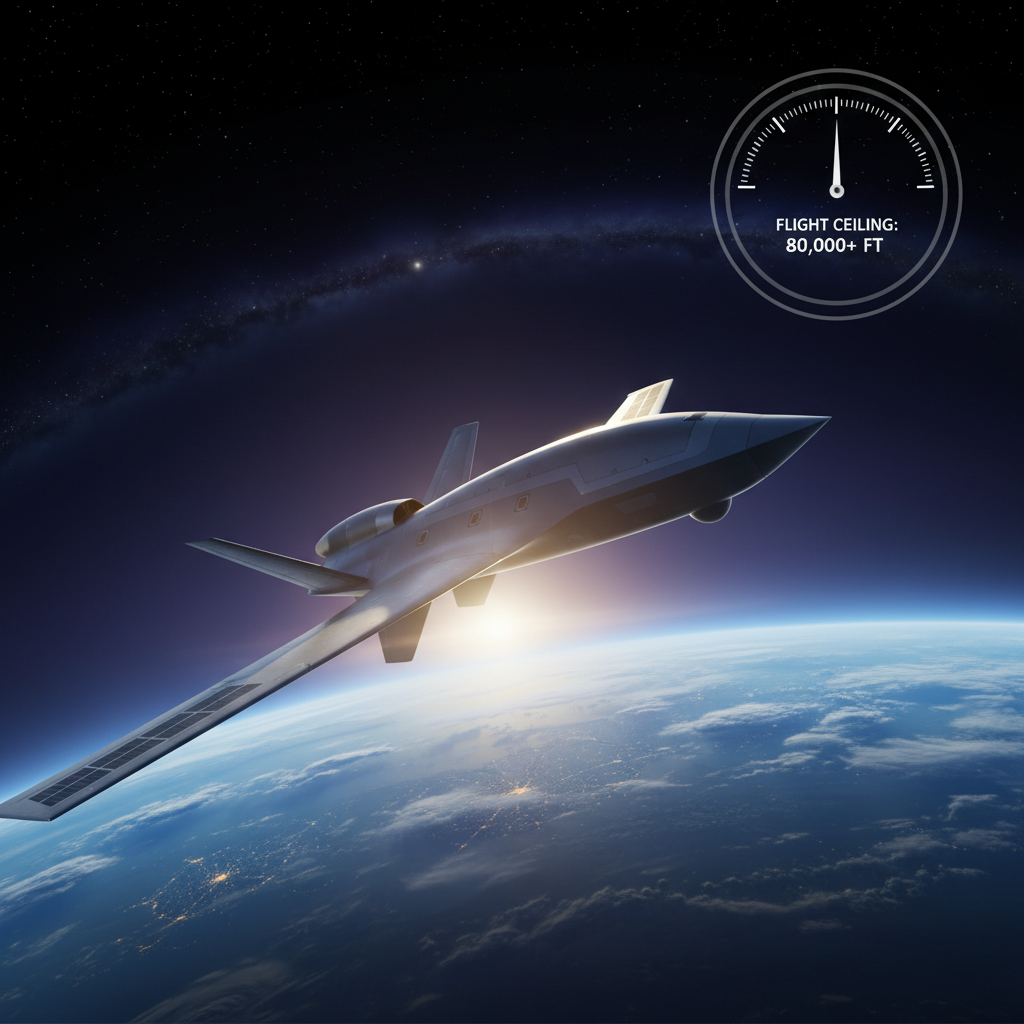
How High Can Military Drones Fly?
Military drones can typically fly at altitudes ranging from 15,000 to over 50,000 feet, depending on their design and purpose. This altitude capability allows them to perform a…
Read More →
Military drones can typically fly at altitudes ranging from 15,000 to over 50,000 feet, depending on their design and purpose. This altitude capability allows them to perform a…
Read More →Military drones can typically fly between 10 to 50 miles, depending on their design, purpose, and technological capabilities. However, advanced models can achieve impressive ranges of over 1,000…
Read More →Yes, military drones can be detected by radar, but their ability to evade detection varies based on factors such as their size, design, and operational altitude. As military…
Read More →Drones cannot shoot bullets in the traditional sense, but some military drones are equipped with advanced weaponry that can deliver munitions. As technology has evolved, the capabilities of…
Read More →Yes, drones can be equipped to fire missiles, and various military forces around the world utilize this technology for targeted strikes. This capability reflects a significant evolution in…
Read More →Yes, drones can be equipped to fire bullets, but this capability is heavily regulated and poses significant ethical and legal challenges. The integration of firearms into drone technology…
Read More →Yes, drones can engage in simulated dogfights, using advanced technology to mimic aerial combat. While traditional dogfighting is a skill honed by human pilots, modern drones are increasingly…
Read More →Yes, drones can carry weapons, and this capability has sparked significant debate regarding their use in military and civilian contexts. As technology advances, the implications of armed drones…
Read More →Drones can indeed be used as weapons, with applications ranging from military operations to law enforcement. These unmanned aerial vehicles (UAVs) have transformed modern warfare and policing, offering…
Read More →Military drones can indeed see at night, thanks to advanced technology such as thermal imaging and night vision systems. These capabilities allow them to operate effectively in low-light…
Read More →