

To fly a drone in Canada, you must comply with Transport Canada regulations, obtain the necessary certifications, and register your drone if it weighs over 250 grams. Understanding these requirements will help ensure a safe and legal flying experience while allowing you to enjoy all the benefits that drone technology has to offer, whether for recreational use or commercial applications.
Understanding Drone Regulations in Canada
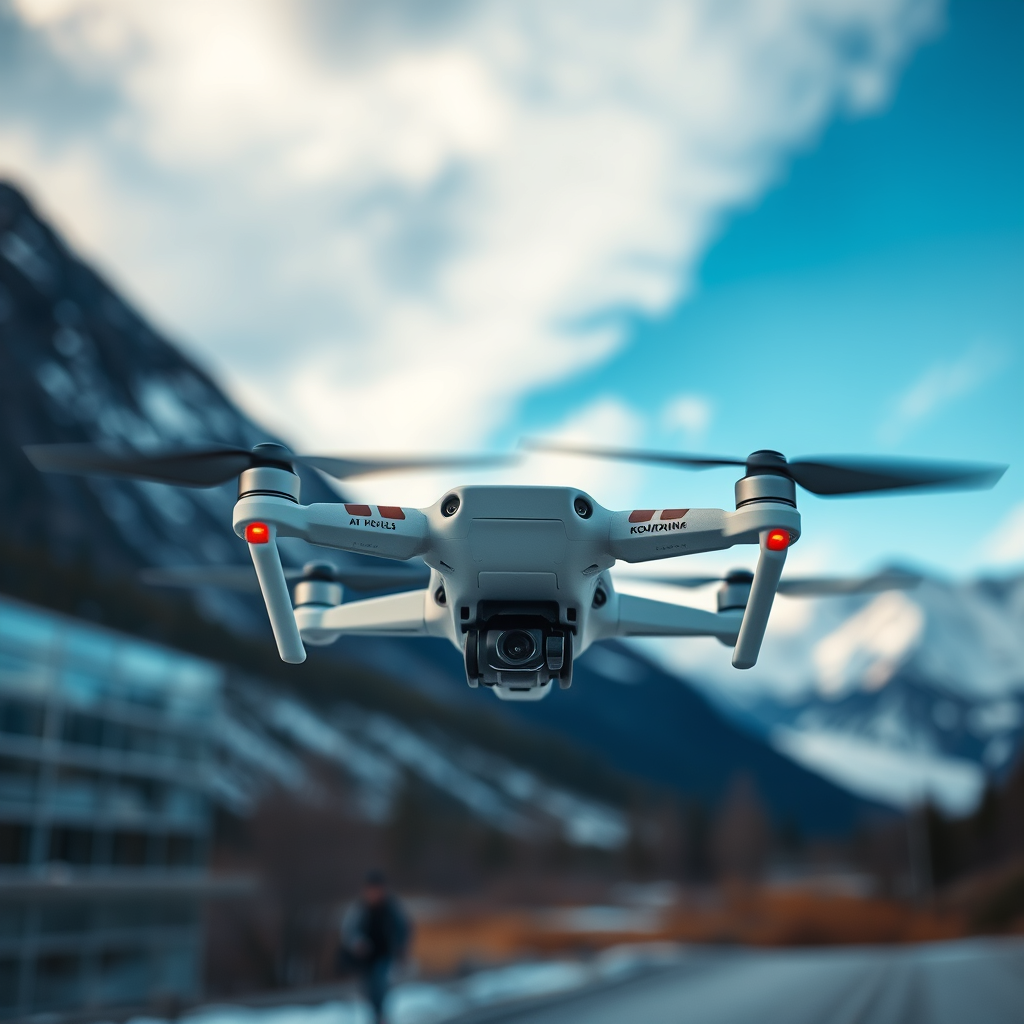
Navigating the drone landscape in Canada begins with familiarity with the Canadian Aviation Regulations (CARs) that govern the use of unmanned aerial vehicles (UAVs). Transport Canada is the primary regulatory body overseeing drone operations, and they classify drone usage into two categories: recreational and commercial.

Recreational drone pilots must adhere to specific guidelines, such as flying below 122 meters (400 feet), maintaining a visual line of sight with the drone, and avoiding controlled airspace unless properly authorized. Conversely, commercial drone operators face stricter regulations, including the need to obtain a Special Flight Operations Certificate (SFOC), which entails a more robust understanding of the operational environment and safety protocols.
It’s crucial for drone pilots to stay updated with any changes in regulations, as compliance is not only a legal obligation but also a responsibility to ensure the safety of the airspace and people on the ground. Regularly reviewing Transport Canada’s official resources can help you remain informed about the latest rules and best practices.
Drone Registration Requirements
One of the essential steps in flying a drone in Canada is registration. If your drone weighs more than 250 grams, you are required by law to register it with Transport Canada. The registration process is straightforward and can be completed online. Upon successful registration, you will receive a unique registration number that must be displayed on your drone.
This regulation helps authorities track drones and their operators, especially in the case of incidents or accidents. For instance, if an accident were to occur, having a registered drone allows for quicker identification of the operator and can facilitate investigations. Failure to register your drone can result in fines and penalties, emphasizing the importance of compliance.
Pilot Certification and Training
Certification is another critical aspect of legal drone operation in Canada. Recreational pilots are not required to obtain a formal certification; however, they must complete an online exam to demonstrate their knowledge of the regulations and safety procedures. This exam covers various topics, including airspace rules and drone operation best practices.
For those engaged in commercial drone operations, obtaining a Special Flight Operations Certificate (SFOC) is mandatory. This certification process involves submitting an application that outlines your intended flight operations, including details about the type of drone, flight location, and safety measures in place.
Moreover, while not compulsory, taking a formal training course can significantly enhance your flying skills and understanding of aviation regulations. Many organizations offer training programs that prepare pilots for the SFOC process and teach valuable skills for safe and effective drone operation.
Airspace Restrictions and No-Fly Zones
Understanding airspace restrictions is crucial for safe drone operation. Canada has designated no-fly zones that are particularly sensitive or pose risks to public safety. These areas include airports, military bases, and urban centers, where flying a drone can interfere with manned aircraft or endanger individuals on the ground.
To navigate these restrictions properly, pilots should utilize tools such as the NAV Canada drone site, which provides real-time information on restricted airspaces and no-fly zones. Additionally, mobile applications designed for drone pilots can help identify safe flying areas and alert users to temporary flight restrictions that may not be listed elsewhere.
Staying informed about airspace restrictions not only ensures compliance with the law but also promotes responsible drone use, which is essential for maintaining public trust in drone technology.
Safety Guidelines and Best Practices
Safety should always be the top priority for drone pilots. Transport Canada outlines several best practices to enhance safety during drone operations. First, always maintain a visual line of sight with your drone. This practice ensures you are aware of the drone’s surroundings and can quickly react to any potential hazards.
Additionally, be vigilant about other air traffic, particularly in areas near airports or where manned aircraft frequently operate. Avoid flying over crowds or populated areas, as this not only increases the risk of injury but could also lead to legal repercussions.
Regularly conducting pre-flight checks is another essential practice. Before each flight, inspect your drone for any mechanical issues and ensure all systems are functioning correctly. Having a checklist can help ensure that you do not overlook any critical steps.
Insurance and Liability Considerations
When operating a drone, it is wise to consider obtaining drone insurance, which can protect you from potential damages, accidents, and liability claims. While insurance is not legally required in Canada, it can provide financial security in the event of an incident, particularly for commercial pilots who may face higher risks due to the nature of their operations.
Understanding your liability as a drone operator is also crucial. If your drone causes injury or damages property, you could be held responsible. Familiarizing yourself with local laws and regulations regarding liability can help you take appropriate precautions.
Moreover, following safety protocols not only helps mitigate risk but also demonstrates your commitment to responsible drone operation, which can be beneficial if you ever need to defend your actions legally.
Resources for Drone Pilots in Canada
To stay informed and connected as a drone pilot in Canada, numerous resources are available. The Transport Canada website is an authoritative source for the latest regulations, guidelines, and safety information. They often update their resources to reflect changes in legislation or emerging safety concerns.
Joining local drone clubs or online forums can also be immensely helpful. These communities provide networking opportunities, access to shared experiences, and insights into best practices from seasoned pilots. Participating in these groups can enhance your skills and help you stay abreast of regional regulations that may differ from national guidelines.
Additionally, consider subscribing to newsletters or following social media accounts dedicated to drone flying to receive timely updates about new regulations, safety tips, and industry news.
In conclusion, flying a drone in Canada requires a clear understanding of regulations, registration processes, and safety practices. By adhering to Transport Canada’s guidelines, obtaining necessary certifications, and staying informed about airspace restrictions, you can enjoy flying while ensuring compliance with Canadian laws. Remember to prioritize safety and connect with the drone community for ongoing support and knowledge sharing.
Frequently Asked Questions
What are the legal requirements to fly a drone in Canada?
To legally fly a drone in Canada, you must adhere to the regulations set by Transport Canada. This includes registering your drone if it weighs between 250 grams and 25 kilograms and obtaining a drone pilot certificate, which can be either a Basic or Advanced certificate depending on your intended operations. You must also follow the Canadian Aviation Regulations (CARs), which dictate where and how you can fly your drone.
How do I register my drone in Canada?
To register your drone in Canada, you must visit the Transport Canada website and create an account. After providing the required information about your drone, including its serial number, you will receive a registration number, which must be displayed on your drone. This registration process is essential for compliance with Canadian laws and enhances accountability for drone operators.
Why do I need a drone pilot certificate to fly in Canada?
A drone pilot certificate is necessary in Canada to ensure that operators have the knowledge and skills required to fly drones safely and responsibly. The certification process includes a theoretical exam and, for Advanced pilots, a flight review. This requirement helps mitigate risks associated with drone operations, promoting safety in Canadian airspace and protecting people and property.
What are the best practices for flying a drone safely in Canada?
To fly a drone safely in Canada, always maintain a visual line of sight with your drone, avoid flying near airports, and respect the privacy of others. Additionally, familiarize yourself with local regulations and airspace restrictions using tools like the NAV CANADA drone flight planning app. Following these best practices minimizes risks and ensures compliance with Canadian drone laws.
Which areas are restricted for drone flying in Canada?
In Canada, drone flying is restricted in areas such as near airports, military bases, and national parks. Specific no-fly zones include controlled airspace, where you must obtain permission to operate. To ensure compliance, always check the latest maps and resources from Transport Canada and NAV CANADA, which provide updated information on restricted areas.
References
- https://www.canada.ca/en/transport-canada/services/drone-safety.html
- https://www.tc.gc.ca/en/services/drone-safety.html
- https://www.cbc.ca/news/canada/what-you-need-to-fly-a-drone-in-canada-1.4699774
- https://www.surveyscanada.ca/drone-licensing-in-canada/
- https://www.uwindsor.ca/engineering/drone-research
- https://www.ncbi.nlm.nih.gov/pmc/articles/PMC7362362/
- https://www.ontario.ca/page/drone-safety-and-regulations
- https://www.wired.com/story/canada-drone-regulations/
