

You can fly drones in various locations, including designated parks, private property with permission, and specific rural areas. However, it is crucial to be aware of local regulations and restrictions to ensure safe and responsible flying. This guide will explore the best places to fly drones while highlighting essential guidelines to follow, providing both novice and experienced drone pilots with the knowledge they need to enjoy their hobby legally and safely.
Understanding Drone Regulations
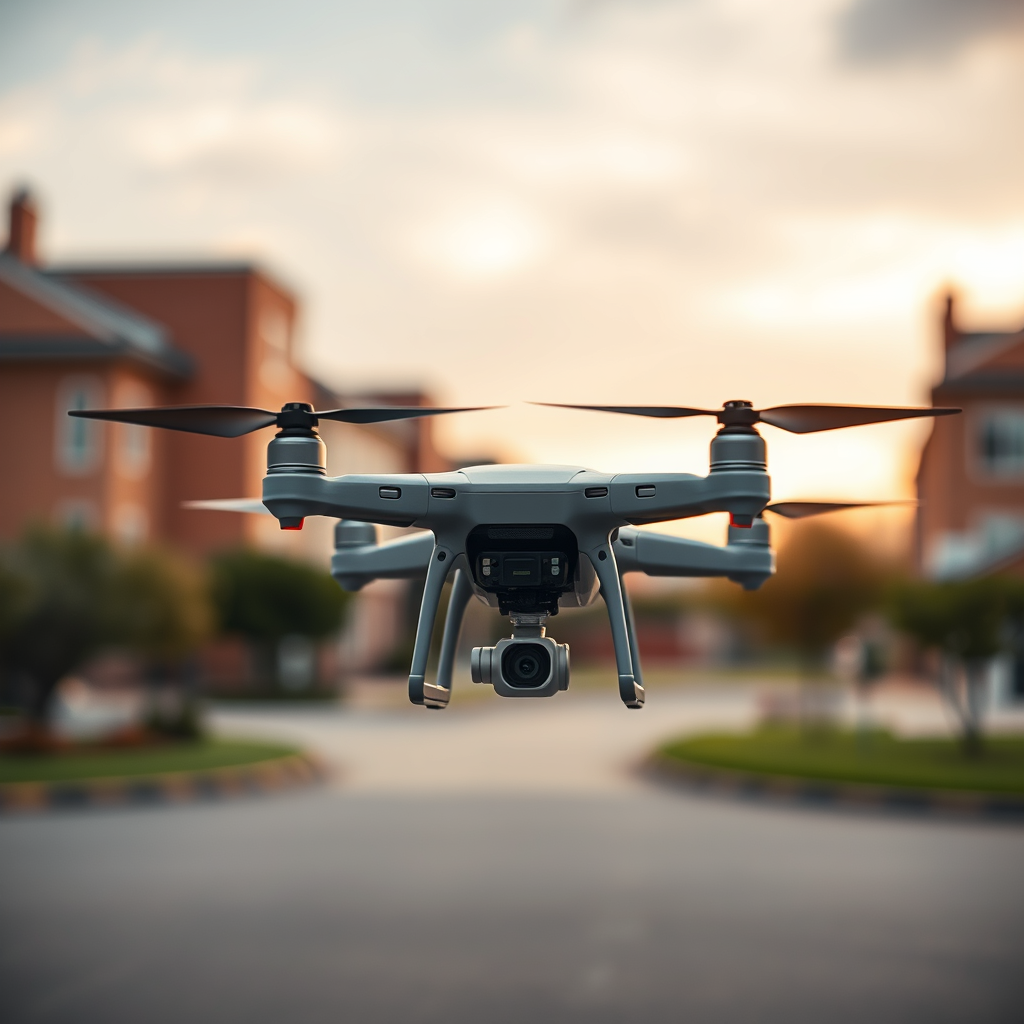
Flying a drone is governed by a set of regulations that vary by country and region, but in the United States, the Federal Aviation Administration (FAA) outlines the fundamental rules that all drone operators must adhere to. As a drone pilot, it is your responsibility to understand these regulations to avoid potential fines or safety violations.
The FAA categorizes drone use into two primary categories: recreational and commercial. Recreational flyers must register their drones if they weigh over 0.55 pounds and should adhere to guidelines such as flying below 400 feet, avoiding manned aircraft, and maintaining visual line of sight. On the other hand, commercial operators, who fly drones for business purposes, must obtain a Part 107 certification, which involves passing an exam and following stricter regulations, including operational limits and airspace restrictions.
Moreover, no-fly zones are established to protect sensitive areas. These include locations near airports, military bases, and other critical infrastructure. Before flying, it is vital to familiarize yourself with these restrictions, which can often be found through the FAA’s official resources or various drone apps that provide real-time airspace information.
Popular Locations for Drone Flying

There are numerous locations across the United States where drone enthusiasts can fly legally and safely. National parks, for example, are a stunning backdrop for aerial photography and videography. However, it is essential to check each park’s specific rules, as most national parks prohibit drone use to protect wildlife and preserve the natural environment. Some parks, like the San Juan Islands National Historical Park in Washington, allow drones under certain conditions, so checking the National Park Service website is a must before planning your flight.
Open fields or rural areas also present excellent opportunities for flying drones. These spaces typically have fewer obstructions and less air traffic, making them ideal for both recreational and commercial use. Look for public lands or agricultural areas, where you can fly freely while remaining compliant with local regulations.
Additionally, designated drone parks are emerging in many cities, specifically catering to drone enthusiasts. These parks often provide designated flying zones, safety guidelines, and community events, offering a social aspect to drone flying. Research local drone clubs or community groups that may host events in these parks, enhancing your skills while connecting with fellow pilots.
Private Property Considerations
Flying drones on private property requires careful consideration and respect for the property owner’s rights. Always obtain explicit permission from the property owner before taking to the skies, as unauthorized flights can lead to legal issues or conflicts. Additionally, understanding local laws regarding drone use on private land is essential. Some areas may have specific regulations that limit or prohibit drone flights, even on private property.
Respecting the privacy of others is another critical aspect of flying drones on private land. Avoid flying over residential areas without consent, as this can be perceived as an invasion of privacy. If you are looking to capture aerial footage or photographs, consider discussing your intentions with the property owner and any neighbors who may be affected.
Drone Flying in Urban Areas
Flying drones in urban areas can be more complex due to local ordinances and the presence of tall buildings, crowds, and various airspace restrictions. Each city may have its regulations regarding drone use, so it is crucial to research local laws before planning a flight. In many cases, urban areas may have stricter regulations compared to rural zones, requiring pilots to adhere to additional guidelines.
Utilizing rooftops or high-rise buildings can provide unique perspectives for aerial photography, but it is essential to ensure that you have permission to fly in those areas. Always be mindful of crowded places and people when flying your drone in urban settings. Avoid flying over large gatherings, sports events, or densely populated areas, as this can pose risks to public safety and lead to potential legal repercussions.
Safety Tips for Drone Flying
Safety should always be a top priority for drone pilots. Conducting pre-flight checks is essential to ensure that your drone is in good working condition. This includes inspecting the battery, propellers, and camera equipment, as well as ensuring that firmware is up to date. Additionally, make sure to familiarize yourself with your drone’s controls and features before heading out to fly.
Keeping the drone within visual line of sight at all times is not only a regulatory requirement but also a safety precaution. This helps prevent collisions with other aircraft or obstacles and allows for better monitoring of your drone’s performance.
When flying, be considerate of wildlife and avoid flying in sensitive ecological areas. Many birds and animals can be easily disturbed by drones, which can disrupt their natural behaviors. Respect wildlife regulations and avoid flying in areas where your drone could pose a threat to local fauna or flora.
Resources for Drone Pilots
A wealth of resources is available to assist drone pilots in navigating regulations, finding suitable flying locations, and improving their flying skills. Online maps and apps, such as Airmap and B4UFLY, help identify legal flying areas and provide real-time information on airspace restrictions and no-fly zones.
Community forums, both online and in-person, are invaluable for local drone pilots to share tips and experiences. Joining a local drone club can offer opportunities for networking, skill-building, and participating in organized flying events, making the hobby more enjoyable.
Additionally, educational resources such as online courses, webinars, and workshops can help pilots enhance their flying skills and understanding of regulations. Many organizations, including the FAA, offer free materials and guidance for drone pilots, ensuring that your flying experience is not only enjoyable but also compliant with laws and regulations.
In summary, knowing where you can fly drones is essential for enjoyable and legal operation. By understanding the regulations, exploring popular locations, considering private property laws, and prioritizing safety, drone pilots can fully embrace this exciting hobby. Always stay informed about regulations and respect the environment and others’ privacy. Happy flying!
Frequently Asked Questions
What are the general regulations for flying drones in the United States?
In the United States, the Federal Aviation Administration (FAA) regulates drone operations. Generally, drones must be flown below 400 feet, within the operator’s line of sight, and away from airports and crowded areas. Additionally, drone operators are required to register their drones if they weigh over 0.55 pounds and follow specific guidelines for commercial use, including obtaining a Remote Pilot Certificate if flying for business purposes.
Where can I legally fly my drone in public spaces?
You can legally fly your drone in many public spaces, such as parks and open fields, as long as you adhere to local laws and regulations. It’s vital to check for any specific restrictions at the location, as some parks may have bans on drone use or require permits. Tools like the FAA’s B4UFLY app can help identify no-fly zones and give you up-to-date information on airspace restrictions.
How do I find drone-friendly locations near me?
To find drone-friendly locations, you can use various online resources and drone community forums. Websites like AirMap and DroneSpace provide maps showing where you can legally fly. Additionally, local drone clubs and online groups on social media platforms can be great places to learn about popular flying spots and any local regulations you should consider.
Why are there restrictions on where I can fly my drone?
Restrictions on drone flying exist primarily for safety and privacy reasons. Drones can pose risks to manned aircraft, especially near airports, and can also infringe on the privacy of others. By enforcing no-fly zones and specific regulations, authorities aim to minimize accidents and ensure that drone enthusiasts can enjoy their hobby without endangering the public or violating privacy rights.
Which states have the most drone-friendly laws?
States known for having more drone-friendly laws include Texas, Florida, and California, as they often have fewer restrictive regulations and more open spaces for recreational flying. However, it’s crucial to note that even within these states, local regulations can vary significantly. Always check state and local laws to ensure compliance, as drone regulations can change frequently and differ from one municipality to another.
References
- https://en.wikipedia.org/wiki/Drone_flying
- https://www.faa.gov/uas/getting_started/where_to_fly/
- https://www.nasa.gov/centers/armstrong/news/FactSheets/FS-071-DFRC.html
- https://www.ncbi.nlm.nih.gov/pmc/articles/PMC7070912/
- https://www.theguardian.com/us-news/2021/mar/30/drones-where-to-fly-legal-requirements
- https://www.reuters.com/technology/drone-flying-rules-around-world-2021-05-03/
- https://www.suasnews.com/2020/06/flying-drones-in-the-united-states-where-can-i-fly/
