

Drones can typically fly between 1 to 10 kilometers, depending on various factors such as the model, battery capacity, and environmental conditions. Understanding these distances is crucial for both recreational and commercial drone users, as it impacts flight planning and usage. The range of a drone is not only a technical specification but also a critical element that informs how users engage with this versatile technology, whether for leisure activities like aerial photography or professional applications like surveying and mapping.
Understanding Drone Range
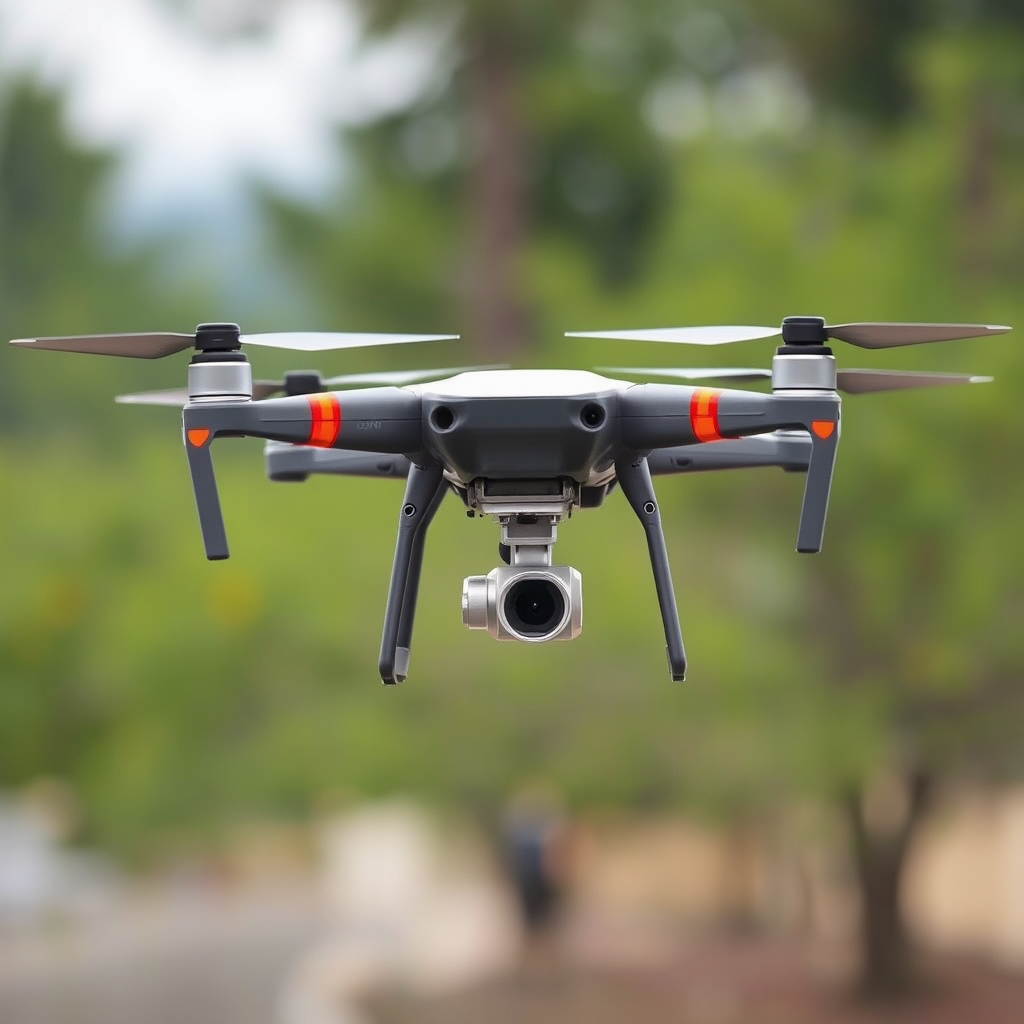
Drones are categorized by their range capabilities: short-range, mid-range, and long-range. Short-range drones are generally designed for recreational use and typically have a flight distance of 1 to 2 kilometers. These drones are perfect for beginners, offering a manageable range that allows users to gain confidence without straying too far from their starting point. Mid-range drones, which can cover distances of about 3 to 5 kilometers, are often used for personal photography or small business applications, providing a balance between performance and usability.
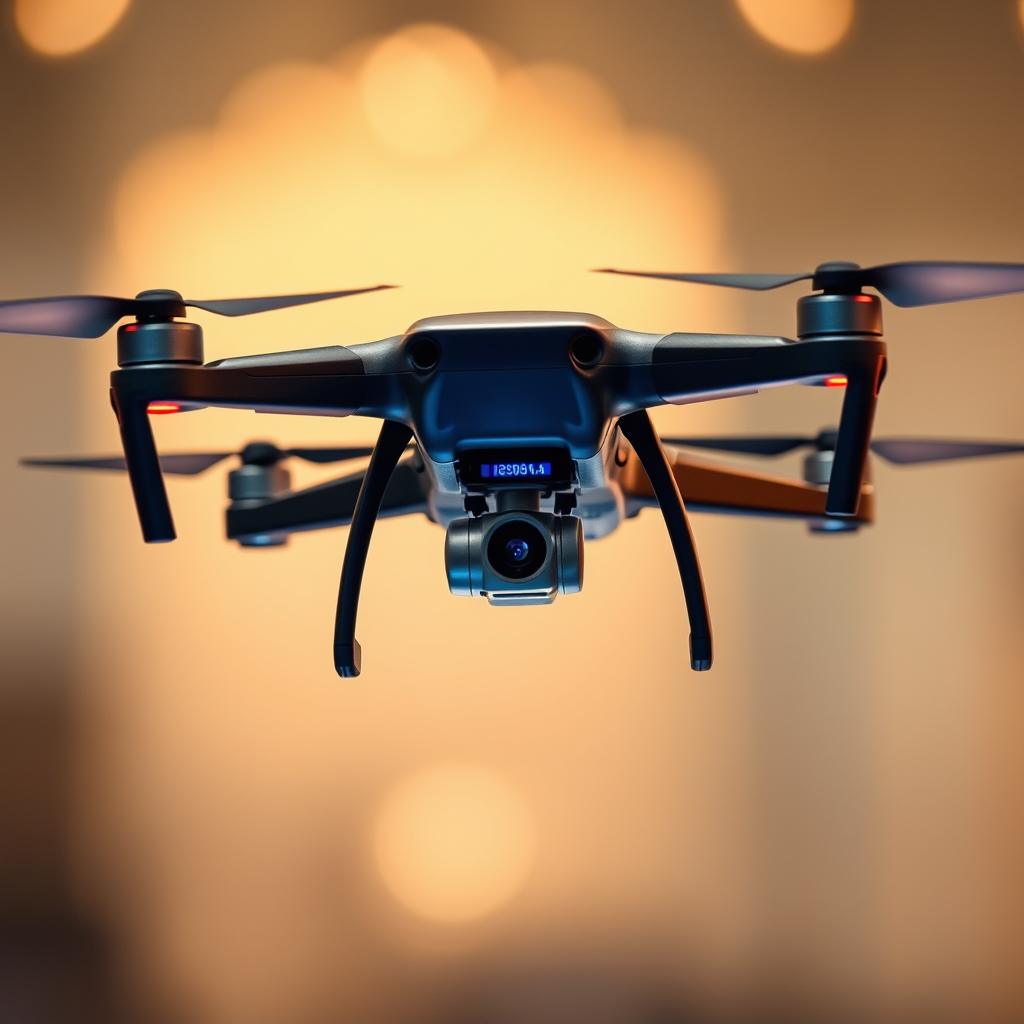
On the other hand, long-range drones are engineered for specialized tasks and can achieve distances of 10 kilometers or more. These drones often feature advanced technology, such as enhanced GPS systems and powerful batteries, enabling them to operate efficiently over extended distances. As technology continues to evolve, the boundaries of drone range are expanding, making it essential for users to understand the classification of their devices for optimal performance.
Factors Affecting Flight Distance
Several factors can significantly influence a drone’s effective flight distance. Environmental conditions, such as wind speed and direction, can reduce the range. For example, flying against strong winds can decrease battery life and maneuverability, forcing the drone to return prematurely. Similarly, the presence of obstacles like buildings, trees, and hills can interfere with a drone’s signal, leading to a diminished operational range.
Signal strength and interference are also critical components in determining how far a drone can operate from the controller. Many drones rely on radio waves or Wi-Fi signals to maintain communication with the pilot. Interference from other electronic devices or physical obstructions can disrupt this connection, potentially resulting in loss of control. As a best practice, users should conduct pre-flight checks to assess the surrounding environment and choose optimal flying conditions to maximize their drone’s range.
Types of Drones and Their Ranges
Consumer drones typically have a range of 1-5 kilometers. Popular models like the DJI Mini series or the Parrot Anafi are designed for hobbyists and casual photographers, offering sufficient distance for enjoyable aerial experiences. These drones are often equipped with user-friendly features that make them accessible for newcomers while still providing impressive capabilities for more seasoned pilots.
Professional drones, designed for mapping, surveying, or agricultural applications, can achieve distances of up to 10 kilometers or more. For instance, the DJI Matrice 300 RTK is a robust option favored by professionals in various industries. It boasts a range of about 15 kilometers under optimal conditions and is equipped with advanced sensors and AI capabilities for efficient data collection. Understanding the type of drone and its range capabilities is essential for users to align their objectives with the appropriate technology.
Battery Life and Its Impact
The type and capacity of the battery directly affect flight time and distance. Most consumer drones utilize lithium polymer (LiPo) batteries, which provide a good balance of weight and energy density. Batteries with higher capacity (measured in milliamp-hours, or mAh) generally allow for longer flight times and increased range, but they also add weight to the drone, which can affect overall performance.
Regular maintenance and battery care can significantly extend a drone’s operational range. Users should follow manufacturer guidelines for charging, storage, and usage to ensure optimal battery health. For instance, avoiding deep discharges and extreme temperatures can prolong battery life and maintain peak performance during flights. Additionally, investing in spare batteries can allow users to extend their flying sessions without the need for immediate recharging, thus maximizing the overall range capability.
Regulatory Limits and Compliance
Many countries have regulations that restrict drone flight distances for safety and privacy reasons. For instance, in the United States, the Federal Aviation Administration (FAA) mandates that drones must remain within the visual line of sight of the operator, which effectively limits their operational range. Similarly, European regulations stipulate that drones must not exceed certain altitudes and distances unless specific permissions are obtained.
Understanding local laws is essential for legal and safe drone operation. Before flying, users should familiarize themselves with the regulations in their area, including any no-fly zones or restrictions that may apply. Compliance not only ensures safety but also fosters responsible drone usage, contributing to the overall acceptance of this technology within communities.
Tips for Maximizing Drone Range
To enhance a drone’s flight range, users can implement several strategies. Utilizing high-quality antennas and signal boosters can significantly improve communication between the drone and the controller. These enhancements can help mitigate issues related to signal interference, especially in urban environments with numerous electronic devices.
Planning flight paths considering wind patterns and terrain is also critical to maximizing distance. For example, flying with the wind can extend battery life and distance, while flying against it can consume more energy. Additionally, selecting takeoff and landing sites that offer clear lines of sight to the drone can minimize obstacles that might disrupt the signal.
Users should also consider utilizing flight planning apps that allow for route optimization, providing insights into the best paths to take for extended distances. These tools can enhance the overall flying experience, ensuring that users can achieve their desired objectives while adhering to safety regulations.
In conclusion, knowing how far a drone can fly is essential for effective use, whether for fun or professional purposes. By considering the various factors that affect range, including environmental conditions, battery life, and regulatory limits, users can make informed choices and optimize their flying experience. As technology continues to advance, the potential for longer flight distances will only increase, opening new possibilities for drone applications. Always remember to check your drone’s specifications and local regulations before taking to the skies to ensure a safe and enjoyable experience.
Frequently Asked Questions
How far can a typical consumer drone fly on a single battery charge?
The flight distance of a typical consumer drone on a single battery charge varies widely, but most can fly between 3 to 10 kilometers (1.8 to 6.2 miles). High-end models, such as those from DJI, can achieve distances of up to 15 kilometers (9.3 miles) in optimal conditions. Factors like battery capacity, drone weight, and environmental conditions significantly influence this range.
What factors affect how many kilometers a drone can fly?
Several factors impact the flying distance of a drone, including battery life, drone design, wind conditions, and the weight of any payload. Additionally, transmission range and signal strength play crucial roles; a stronger connection allows the drone to maintain control over longer distances. Environmental obstacles, such as buildings or trees, can also hinder the drone’s ability to fly far.
Why do some drones have a longer flight range than others?
Drones with longer flight ranges typically incorporate advanced technology, larger batteries, and efficient aerodynamics. High-end drones often use powerful motors and optimized propeller designs that enhance efficiency and endurance. Moreover, they may include features like GPS stabilization and superior communication systems, which allow them to maintain a stable connection even at greater distances.
Which drones are best known for long-distance flight capabilities?
Some of the best drones for long-distance flight include the DJI Mavic 3, which boasts a maximum range of up to 15 kilometers, and the Autel Robotics EVO Lite+, known for its impressive 12-kilometer range. Other notable mentions are the Parrot Anafi and the Skydio 2, both of which are designed for extended flight distances while maintaining high performance and stability.
How can I extend the flying distance of my drone?
To extend your drone’s flying distance, consider upgrading to a higher-capacity battery or using multiple batteries for longer sessions. Additionally, minimizing weight by removing unnecessary accessories and flying in favorable weather conditions can enhance performance. Regularly updating your drone’s firmware can also optimize its flight capabilities and improve range.
References
- https://en.wikipedia.org/wiki/Drone
- https://www.faa.gov/uas/
- https://www.ncbi.nlm.nih.gov/pmc/articles/PMC7120859/
- https://www.reuters.com/technology/what-you-need-know-about-drones-2021-07-14/
- https://www.nytimes.com/2021/08/15/business/drone-delivery.html
- https://www.theguardian.com/technology/2020/jun/23/drones-payload-range-flight-time
- https://www.sciencedirect.com/science/article/pii/S2351978922010018
- https://www.nasa.gov/mission_pages/earth/news/earth-observing-drones.html
- https://www.techrepublic.com/article/how-far-can-drones-fly/
